2026 Best Plastic Sheet Cut to Size Suppliers
Demand for plastic sheet cut to size is rising with customization, shorter production runs, and tighter material budgets. Buyers now expect accurate dimensions, clean edges, dependable tolerances, and documented material performance. A sheet that arrives two millimeters oversized may create waste, rework, or assembly delays.
Industry data supports this shift. Plastics Europe reported global plastics production of approximately 400.3 million tonnes in 2022. Its circularity reports also show that recycled plastics remain a small share of total consumption. This gap makes efficient cutting increasingly important. Grand View Research identifies construction, packaging, automotive, and electronics as major growth areas for plastic sheet demand. These sectors often require acrylic, polycarbonate, ABS, HDPE, PVC, or UHMW materials with different cutting behaviors.
Material choice matters.
Dr. Patrick Thomas, former Covestro chief executive and a recognized plastics industry expert, said, “Plastics are too valuable to be thrown away.” That principle applies directly to custom sheet procurement. Choosing the correct supplier can reduce offcuts, protect surface quality, and improve production consistency. Yet supplier claims should not be accepted blindly. Published tolerances may differ from actual delivered performance. Testing remains necessary.
This 2026 supplier guide compares cutting accuracy, material range, finishing options, order flexibility, lead times, certifications, and customer support. It also considers practical details, such as protective film, packaging, hole placement, and edge condition. The strongest supplier is not always the cheapest. Sometimes, a slightly higher quote prevents a much more expensive mistake.
Types of Plastic Sheets Available for Custom Cutting
2026 Best Plastic Sheet Cut to Size Suppliers
Types of Plastic Sheets Available for Custom Cutting
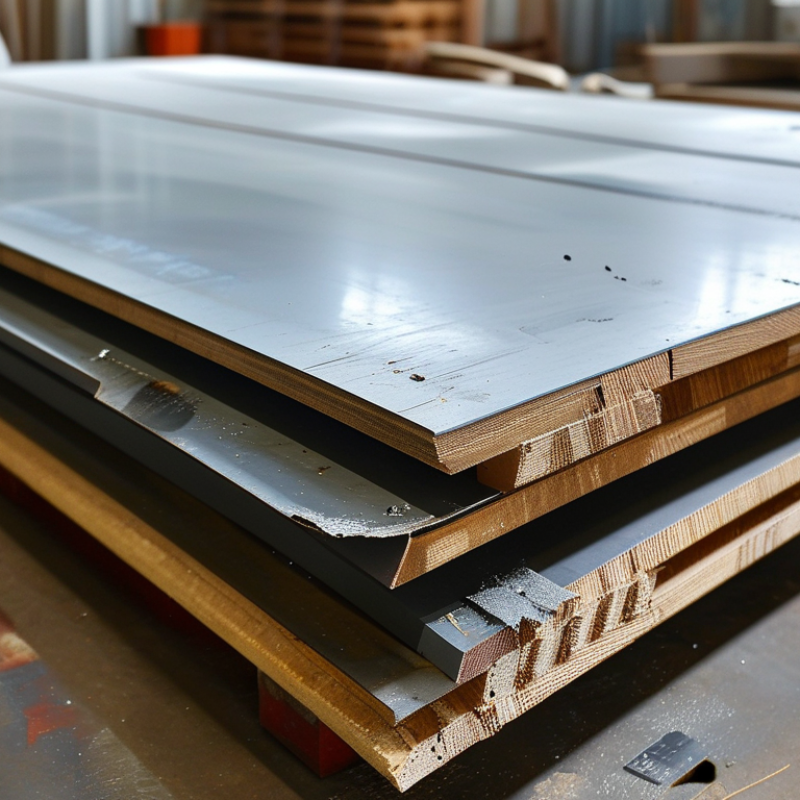
Custom-cut plastic sheets support guards, machine panels, signs, laboratory fixtures, and indoor displays. Acrylic offers clear visibility and a polished edge. Polycarbonate provides strong impact resistance for safety covers and protective screens. It can withstand demanding workshop conditions better than acrylic.
For chemical exposure, HDPE and polypropylene are practical options. HDPE resists moisture and many common chemicals, while polypropylene handles repeated contact with industrial liquids. PVC sheets are useful for rigid panels, enclosures, and fabricated parts. ABS is easier to machine and suits lightweight housings. UHMW-PE reduces friction in guides, chutes, and sliding surfaces.
Thickness matters greatly. A thin sheet may flex around drilled holes. A thick sheet may add unnecessary weight and cutting cost. Surface finish also affects appearance, cleaning, and light transmission. Suppliers should confirm tolerances, edge quality, grain direction, and protective film requirements before production. In my experience, a perfect drawing still cannot replace a practical fit test. Measurements are sometimes wrong.
Tips:
Share a clear cutting file and state the final dimensions. Mention holes, slots, rounded corners, and required tolerances. Request a material datasheet and sample edge when appearance matters. Check whether heat from laser cutting could affect the selected plastic. A small prototype can prevent expensive rework.
How Plastic Sheet Cutting and Customization Works
2026 Best Plastic Sheet Cut to Size Suppliers
How Plastic Sheet Cutting and Customization Works
Custom plastic sheet cutting begins with the material choice. Acrylic, polycarbonate, PVC, and polyethylene react differently to heat and pressure. A reliable supplier checks the sheet thickness, surface finish, and intended use before cutting. This prevents avoidable cracking, melting, or edge distortion.
The customer usually provides a drawing, dimensions, hole locations, and quantity. Digital files help reduce measurement errors. CNC routing suits thick sheets and detailed shapes. A saw can produce fast, straight cuts. Laser cutting may create polished edges, but heat can affect some plastics. After cutting, technicians may deburr edges, countersink holes, or add protective masking. I have found that small details matter. A two-millimeter mistake can affect an entire assembly. Still, perfect results are not automatic. Poor drawings and unclear tolerances often create rework.
Tips: Confirm every measurement. Ask about achievable tolerances, corner radius, edge quality, and protective film. Request a sample when the part fits tightly or carries visible loads. Check whether the supplier inspects dimensions before packing. Photos can help, but physical samples reveal surface marks and flexibility more clearly. Keep extra material for testing, especially when the final design is still changing.
Quality Standards, Services, and Supplier Capabilities
The best plastic sheet cut to size suppliers in 2026 will be judged by measurable quality, not attractive catalogs. Plastics Europe reported 413.8 million tonnes of global plastics production in 2023. That scale makes material traceability essential. A dependable supplier should provide resin identification, batch records, thickness tolerances, and inspection results. Certificates should support the actual grade supplied, not a generic product family.
Precision matters. For CNC-cut sheets, buyers should check dimensional tolerance, edge condition, flatness, and protective-film performance. ASTM test methods can verify tensile strength, impact resistance, and hardness. ISO 9001-based quality systems also help control revisions, complaints, and corrective actions. Still, certification alone is not proof of good service. Ask for recent inspection samples and a clear nonconformance process.
Service capability separates a flexible supplier from a basic fabricator. Useful services include CAD drawing review, nesting, drilling, chamfering, labeling, packaging, and scheduled releases. Response time matters too. A supplier should confirm lead times in writing and explain capacity during demand spikes. I would request a small pilot order before approving large production. Mistakes can happen, even with experienced teams. The better question is how quickly they detect, document, and repair them. Suppliers that combine transparent data, repeatable cutting controls, and practical communication offer stronger long-term reliability.
How to Compare the Best Plastic Sheet Suppliers in 2026
When comparing the best plastic sheet suppliers in 2026, begin with measurable performance, not polished catalog images. Ask for thickness tolerance, flatness data, impact strength, UV resistance, and cutting accuracy. A reliable supplier should provide current test reports, material certificates, and traceable batch numbers. Request a sample cut from the same production method. Its edges should look clean, without heat damage, burrs, or uneven corners.
The OECD Global Plastics Outlook reports that global plastic waste reached 353 million tonnes in 2019, while only 9% was recycled. This makes material transparency increasingly important. Compare recycled content claims, resin sources, and end-of-life guidance. Suppliers should explain whether recycled sheets match virgin-grade strength, color stability, and dimensional performance. They should also disclose tolerances honestly. “Custom size” means little without a stated measurement range. I have seen attractive sheets fail after installation because expansion was ignored.
Tips:
Build a simple comparison table. Include price, lead time, minimum order, thickness tolerance, surface finish, certifications, and replacement policy. Test one sheet under real conditions, including drilling, bending, cleaning, and temperature changes. Ask how rejected sheets are handled. Cheap samples can hide expensive inconsistencies. Also, compare delivery reliability over several orders, not one successful shipment. The best supplier may not offer the lowest quote. My own comparison process still needs improvement, especially when sustainability claims lack independent verification.