
Posts

2026 Best Shrink Film Wrapping Machine for Global Buyers

Global buyers entering 2026 face a packaging market shaped by automation, labor pressure, material efficiency, and stricter sustainability expectations. Smithers’ report, The Future of Global Packaging to 2028, identifies automation and resource efficiency as major influences across packaging operations. PMMI’s industry research also highlights labor shortages and the growing need for flexible, easier-to-operate machinery. These findings make the choice of a Shrink Film Wrapping Machine more practical than promotional.

A suitable machine should match product dimensions, film type, output targets, and local power standards. A small food producer may value compact sealing jaws and fast changeovers. A large logistics plant may require continuous motion, automatic film feeding, and integration with conveyors. Energy consumption, sealing consistency, spare-parts access, and operator training deserve equal attention. They often decide the real return on investment.

Market reports from Grand View Research and Fortune Business Insights indicate continued demand for shrink film packaging, supported by retail, food, beverage, pharmaceutical, and consumer-goods applications. However, market growth does not guarantee a perfect purchase. A high-speed machine can perform poorly when film quality varies or maintenance support is distant. No ranking fits every factory. Details matter. This guide evaluates leading 2026 options through measurable criteria, including throughput, packaging accuracy, safety design, film compatibility, service availability, and total ownership cost. It also considers practical weaknesses, because supplier claims may not reflect daily factory conditions. Buyers should verify test results, warranty terms, certification documents, and sample-pack performance before signing an order. The best choice is not always the fastest machine; it is the one that remains dependable beside a real production line.
2026 Best Shrink Film Wrapping Machine for Global Buyers

What Is a Shrink Film Wrapping Machine?

2026 Best Shrink Film Wrapping Machine for Global Buyers

What Is a Shrink Film Wrapping Machine?

A shrink film wrapping machine covers products with a thin plastic film. Heat then tightens the film around the package. The result is a neat, protective outer layer. This process can reduce dust, moisture exposure, and handling damage during storage or transport.

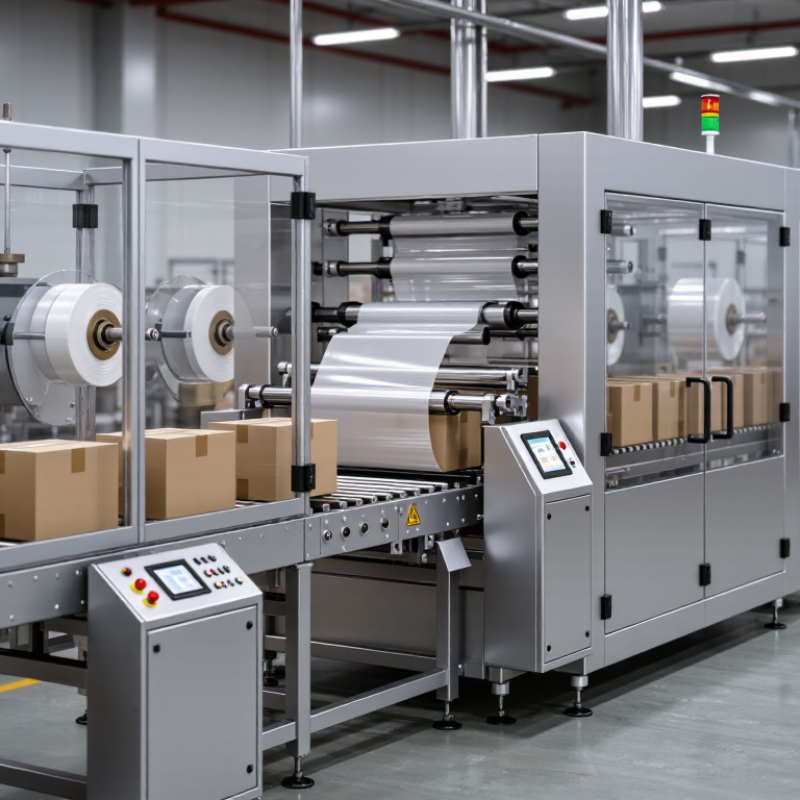
The machine usually includes a film holder, sealing unit, cutting system, and heat tunnel. Some models combine these functions in one frame. Others use separate modules for different production needs. In practical use, operators adjust film width, sealing temperature, conveyor speed, and tunnel heat. These settings depend on package size, film type, and line speed. A poor setting can cause wrinkles, weak seals, or burned edges. It is not completely automatic.

For global buyers, machine compatibility matters as much as output capacity. Check local voltage, available floor space, spare parts access, and operator training requirements. Measure the largest package before choosing the tunnel size. Also test the film with real products, not only sample cartons. Small product changes may affect sealing performance.

Tips: Keep the sealing blade clean and inspect it daily. Start with moderate heat. Increase it gradually when the film remains loose. Record successful settings for each product. This simple record can prevent repeated trial and error, although some adjustment is still unavoidable.

How Shrink Film Wrapping Machines Work Step by Step

A shrink film wrapping machine turns loose film into a tight, protective package through controlled heat and movement. The process begins when an operator places the product on the infeed conveyor. Guides center the load, while sensors check its position and height. A film roll unwinds at a measured speed. The machine then feeds film around the product, creating a sleeve or sealed envelope. Film tension matters. Too little tension causes wrinkles; too much can deform lightweight cartons. In practice, small differences in product shape often require adjustment.

A sealing jaw or heated knife closes the film seam. Pressure and dwell time must match the film type and package size. If the seal is weak, the film may open during handling. If the temperature is excessive, edges can burn or shrink unevenly. The wrapped product enters the shrink tunnel on a moving conveyor. Heated air circulates around all sides, softening the film and drawing it tightly against the package. Tunnel temperature, airflow, conveyor speed, and cooling time work together. Experienced operators change one setting at a time, then inspect corners, seams, and labels.

The package exits and cools before inspection. A reliable check includes seal strength, film coverage, surface clarity, and package stability. The first test is rarely perfect. Some loads need slower conveying, while others need less heat. Recording these results improves repeatability and reduces material waste. Guards, emergency stops, and temperature controls should remain functional throughout operation. Staff also need practical training, not only written instructions. A clean film path prevents many avoidable faults, although it does not solve every problem.

Key Types of Shrink Film Wrapping Machines in 2026

In 2026, shrink film wrapping machines fall into several practical categories. L-bar sealers suit small batches, sample rooms, and changing product sizes. They need more operator involvement, but their lower entry cost remains attractive. Automatic side-seal machines handle continuous production with fewer manual stops. They work well for cartons, books, and flat retail packs. The choice depends on film width, product dimensions, speed, and sealing consistency.

Sleeve wrappers are effective for grouped products, such as bottles, cans, or boxed goods. Bundling systems can add a cardboard pad before film application. High-speed continuous-motion machines serve stable production lines, where every second matters. PMMI’s 2024 industry research identifies labor availability and automation as major packaging investment drivers. That finding is visible on factory floors: operators increasingly monitor touchscreens instead of feeding every pack by hand. Still, automation is not automatically better. Poor product spacing can create film waste and repeated stoppages.

Market data also deserves careful reading. Grand View Research estimates the global packaging machinery market will expand at about 5.5% annually from 2024 to 2030. Smithers’ packaging forecasts point to continued growth toward a global market exceeding one trillion dollars by 2028. These figures support investment, but they do not guarantee a suitable machine. Buyers should test real products, measure seal strength, and record film consumption. A machine that reaches 80 packs per minute may perform poorly with irregular cartons. That lesson is easy to miss. Local voltage, maintenance skills, spare-part access, and recyclable film compatibility should be checked before purchase.

How to Choose the Best Machine for Global Operations

2026 Best Shrink Film Wrapping Machine for Global Buyers

Choosing a shrink film wrapping machine for global operations requires more than comparing speed and price. Start with the package range. Measure the smallest carton, the widest tray, and the tallest product you will seal. A machine that handles 30 packs per minute may struggle with irregular shapes. That delay becomes expensive.

Check film compatibility carefully. Polyolefin, polyethylene, and PVC films can require different sealing temperatures and tunnel settings. Ask for test runs using your actual products. Watch the seal line, film tension, and shrinking quality. A clean seal matters. So does stable performance after several hours.

Electrical compatibility needs equal attention. Confirm voltage, frequency, plug design, and power consumption for each destination. Temperature controls should be clear, repeatable, and easy to adjust. Operators may not share the same technical language. Simple controls reduce mistakes. Very simple helps.

For international service, request manuals, spare-part lists, training materials, and remote troubleshooting procedures. Ask how quickly common heaters, sensors, and cutting wires can be supplied. A low purchase price can hide long downtime. It happens.

Safety features deserve practical inspection. Look for guarded hot areas, emergency stops, overload protection, and clear maintenance access. Also review the machine’s footprint, ventilation needs, and noise level. These details affect installation and daily work. A perfect specification rarely exists. Recheck the forecasted volume, because optimistic estimates can lead to an oversized machine and wasted energy.

2026 Best Shrink Film Wrapping Machine for Global Buyers

Typical shrink-film thickness ranges used when selecting equipment for global packaging operations

Film thickness affects sealing temperature, tunnel heat requirements, material consumption, and line speed. POF and PVC films are commonly used for lighter retail packaging, while PE film is typically selected for heavier or larger loads. Final machine selection should also consider product dimensions, required throughput, voltage standards, and local safety requirements.

Safety, Maintenance, and International Buying Considerations

A 2026 shrink film wrapping machine should be judged by safe operation, service access, and export readiness. A guarded sealing bar, emergency stops, heat shielding, and clear lockout procedures protect operators near hot film and moving conveyors. ISO 12100 recommends risk assessment throughout the machine lifecycle, not only before delivery. The International Federation of Robotics recorded 541,302 industrial robot installations in 2023, showing how automation is expanding. Yet automation does not remove human risk.

Maintenance begins with simple routines. Inspect sealing wires, temperature sensors, rollers, belts, and air lines each shift. Clean melted film before it hardens around the sealing area. The U.S. Department of Energy reports that compressed-air leaks can waste 20% to 30% of compressor output. That loss increases operating costs quietly. Ask for a preventive-maintenance schedule, spare-parts list, electrical drawings, and remote diagnostic instructions. A perfect checklist does not exist. Local dust, humidity, and operator habits will change the real workload.

Tips: Request a factory acceptance test using your actual film and package sizes. Confirm voltage, frequency, plug standards, language options, and customs documents before payment. Check whether guarding meets the destination market’s requirements. Ask for measured energy use, cycle speed, noise data, and training records. Allow installation time for alignment and temperature testing. I would also budget extra sensors and sealing elements; small parts can create long delays after arrival. A low purchase price may become expensive without regional technical support.