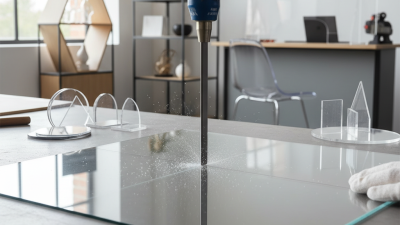
Best Acrylic Sheets for Laser Cutting What to Consider?
The demand for acrylic sheets for laser cutting has surged in recent years. According to recent industry reports, the global acrylic sheets market is expected to reach over $4 billion by 2026, driven by various sectors including signage, architecture, and automotive industries. This rapid growth reveals the material's versatility and appeal.
When selecting acrylic sheets for laser cutting, several factors need consideration. The thickness, clarity, and type of acrylic can significantly affect the final outcome. Studies highlight that the right acrylic can improve cutting efficiency by up to 30%. Inconsistent quality in the materials can lead to subpar results and increased production costs.
Quality should not be sacrificed for price. Expert recommendations often emphasize sourcing from reputable suppliers to ensure reliability. While many options exist in the market, choosing the right acrylic sheets will enhance the precision and aesthetics of your projects. Understanding these dynamics is essential for achieving desired outcomes in laser cutting applications.
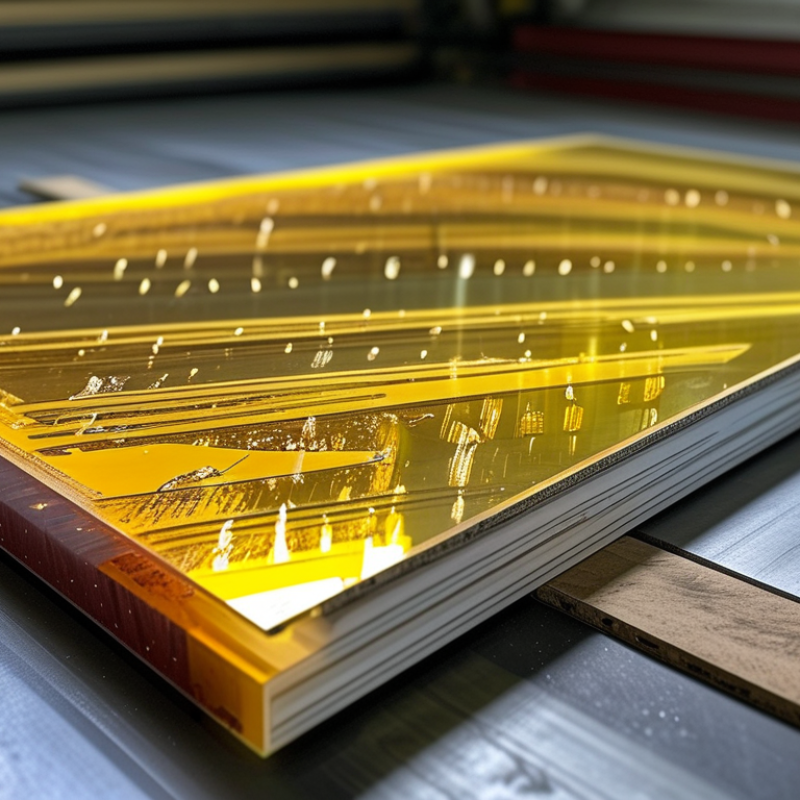
Factors to Consider When Choosing Acrylic Sheets for Laser Cutting
When choosing acrylic sheets for laser cutting, several factors are crucial for optimal results. The thickness of the acrylic plays a significant role. Thinner sheets are easier to cut but may not provide the structural integrity needed for certain applications. A 2019 report from the Society of Plastic Engineers noted that sheets ranging from 1/8 inch to 1/4 inch are the most common choices, balancing cut quality and durability.
Color and clarity can also impact your project. Clear acrylic allows for vibrant colors in designs, while colored sheets can add a unique aesthetic. According to a study by the International Journal of Industrial Research, colored acrylic sheets may require different settings on laser cutters for optimal results. Adjusting your machine for LED or colored sheets is advised, as improper settings can lead to uneven cuts or burns.
Be mindful of the grade of acrylic you select. Cast acrylic sheets often provide better edge quality than extruded ones. A misconception is that all acrylic is the same, but the quality varies significantly.
Consider these key elements before starting your laser cutting project. Always test and adjust your settings to prevent disappointments. Understanding the material will improve your outcomes and enhance your overall experience.
Best Acrylic Sheets for Laser Cutting: Factors to Consider
Types of Acrylic Sheets Suitable for Laser Cutting Applications
When choosing acrylic sheets for laser cutting, it's essential to understand the types available. Clear acrylic, often used for signage, offers great transparency and is ideal for intricate designs. Its smooth surface allows for sharp engraving, making it a favorite among designers. However, it can be prone to scratches, requiring careful handling.
Another option is colored acrylic. This variety adds a vibrant touch to projects. It’s available in a range of hues, providing versatility for artistic applications. While it cuts well, some colors may not engrave as deeply as clear sheets. Designers need to experiment to achieve the desired effect. In contrast, frosted acrylic combines both aesthetic appeal and functionality. It diffuses light beautifully, making it perfect for lightboxes or decorative accents. Yet, achieving crisp details can be challenging.
Additionally, mirrored acrylic helps create striking visual effects. It mimics glass while being lightweight and shatter-resistant. However, the reflective surface can complicate cutting and engraving tasks. Each type has its advantages and drawbacks. Designers should assess their specific project needs to select the right acrylic sheet. Testing different materials can lead to unexpected but rewarding results.
Thickness and Size Considerations for Acrylic Laser Cutting Projects
When it comes to acrylic laser cutting projects, thickness and size are crucial factors. Acrylic sheets vary from 1/16 inch to over an inch thick. A report from the Laser Institute of America notes that standard thickness for most projects ranges between 1/8 inch and 1/4 inch. This thickness provides a good balance between strength and ease of cutting. Thicker acrylic can be more challenging to cut, resulting in potential heat issues. Additionally, inconsistencies in thickness can negatively affect the final finish.
Size considerations involve not only the dimensions of the sheet but also the dimensions of your project. Large sheets might require a more powerful laser cutter. Many laser machines have a maximum working area that can limit your designs. In a survey conducted by the International Society of Laser Cutting, about 25% of users reported challenges with fitting larger designs on their machines. Furthermore, improper sizing can lead to material waste and can require refinishing or re-cutting, which is often an overlooked aspect in planning.
It's also worth mentioning that the choice of thickness and size can impact the cutting speed and quality. Thicker materials generally need slower speeds to achieve a clean cut, which can lead to longer project times. A report by the American Society for Engineering Education found that 35% of cut quality issues arise from incorrect speed settings for the material's thickness. Experimenting with different thicknesses may yield unexpected results, highlighting the importance of thorough testing before starting large projects.
Best Acrylic Sheets for Laser Cutting - Thickness and Size Considerations
| Thickness (mm) |
Sheet Size (mm) |
Weight (kg) |
Cutting Speed (mm/s) |
Recommended Machine Power (W) |
| 3 |
600 x 900 |
2.8 |
20 |
40 |
| 5 |
1200 x 1200 |
6.0 |
15 |
50 |
| 8 |
1000 x 2000 |
9.5 |
10 |
60 |
| 10 |
1500 x 3000 |
12.0 |
8 |
80 |
| 15 |
2000 x 3000 |
18.0 |
6 |
100 |
Understanding the Laser Cutting Process and Its Effect on Acrylic
Laser cutting is a precise method often used for shaping acrylic sheets. Understanding how this process affects the material is crucial. The laser melts the acrylic, creating clean cuts without significant stress. However, too much heat can lead to warping or discoloration. Choosing the right acrylic sheet ensures better results.
Different acrylic varieties respond differently to laser cutting. Some have protective coatings that can burn or release harmful fumes during cutting. This can complicate the process. It's essential to select sheets specifically designed for laser applications. Look for materials with a smooth surface and a thickness appropriate for your project. Thick sheets may require multiple passes, increasing the risk of burning.
Additionally, the laser settings play a critical role. Speed and power levels can change the outcome significantly. Learning to adjust these settings based on the acrylic's properties takes practice. While some may achieve impeccable finishes, others might end up with rough edges or uneven cuts. Continuous experimentation is key to improving laser cutting skills.
Tips for Maintaining Quality in Acrylic After Laser Cutting
Maintaining quality in acrylic after laser cutting is essential for achieving the best results. Consider that laser cutting can leave a residue on surfaces, affecting transparency and clarity. Reports indicate that up to 30% of the appeal of acrylic products comes from their visual qualities. Therefore, proper post-cutting care is crucial.
One key aspect is cleaning. Use a soft cloth and suitable cleaner to remove dust and residue. Avoid harsh chemicals; they can damage the acrylic. Additionally, ensure the acrylic has cooled properly before handling. This prevents warping or surface damage.
Storage matters too. Acrylic sheets need to be kept in a temperature-controlled environment. Extreme heat can lead to distortion. An industry report suggests that improperly stored acrylic can lose up to 20% of its strength over time. Handling should be done with care, using gloves to prevent fingerprints. Routine inspection for scratches or cloudiness helps maintain quality. These simple practices can enhance the durability and appeal of your acrylic products significantly.