Posts

10 Best Injection Molding Companies for Global Buyers

Choosing an injection molding partner is rarely just a search for the lowest quoted price. Global buyers need dependable tooling, stable production, clear communication, and evidence that quality controls work beyond a sales presentation. This guide examines 10 Best Injection Molding Companies for Global Buyers through those practical standards.

The review considers material expertise, mold design, prototyping, production capacity, inspection methods, certifications, lead times, and after-sales support. It also looks at details that can affect a real project, such as resin drying, cavity balance, dimensional reports, packaging, and shipment coordination. Small details matter.

Injection molding educator John Bozzelli has emphasized, “The mold is the heart of the process.” That principle remains useful when comparing suppliers across regions. A modern factory may own advanced machines, yet still struggle with mold maintenance or process consistency. A lower price can hide higher tooling corrections, rejected parts, or difficult communication.

The companies discussed here are not treated as identical. Some may suit medical components, while others fit automotive parts, consumer products, or large industrial housings. Their strengths should be matched with project requirements, not marketing language. Buyers should verify current certifications, sample quality, production references, and contractual responsibilities before making a decision.

No supplier review is perfect. Capabilities change, and published information can become outdated. That is worth admitting. Still, a careful comparison can reduce uncertainty and help teams ask better questions before approving a mold, material, or production order.
10 Best Injection Molding Companies for Global Buyers

What Makes an Injection Molding Company Suitable for Global Buyers

A suitable injection molding company for global buyers does more than press plastic into a mold. It understands product requirements across design, tooling, production, and delivery. Experienced engineers review wall thickness, draft angles, shrinkage, and material behavior before quoting. They explain risks in plain English, instead of hiding them behind technical terms. A practical supplier also provides mold-flow analysis, prototype feedback, and measurable sample approval steps. This reduces expensive revisions after tooling begins. Ask for evidence: process records, inspection reports, calibration data, and examples of similar production challenges. Claims matter less than controlled, repeatable work. Yet no factory is perfect. Honest teams identify limits early.

Global service depends on communication as much as machine capacity. Buyers need clear quotations, agreed tolerances, realistic lead times, and regular progress updates. A reliable company documents resin grades, color standards, lot numbers, and inspection results for traceability. It should protect drawings and product data through controlled access. Export packaging, shipping documents, and contingency plans also deserve attention. A delayed mold can stop an entire launch. Quality systems help, but they do not replace judgment on the production floor. Request a pilot run and inspect parts under actual assembly conditions. Small flaws often appear there. Cost is important, but the cheapest quote may exclude testing, maintenance, or corrective work. The best fit is usually the supplier that makes trade-offs visible and accepts difficult questions.

What Makes an Injection Molding Company Suitable for Global Buyers?

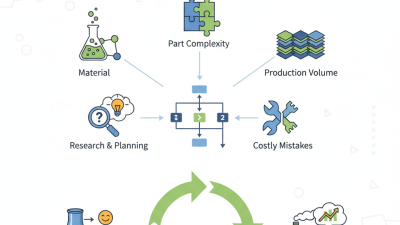
Global-buyer readiness benchmark based on commonly used manufacturing, quality, compliance, and supply-chain requirements.

Quality management and consistent process control are the strongest foundations for international sourcing. Buyers also evaluate engineering support, tooling capability, regulatory documentation, traceability, production capacity, export logistics, and communication because these factors reduce project risk across borders.

How to Evaluate the Top Injection Molding Companies Worldwide

Choosing among leading injection molding companies requires more than comparing hourly rates. A polished website proves little. In supplier reviews, I have learned to examine production evidence, not promises. Ask for samples using matching resin, wall thickness, and surface finish. The details reveal process discipline. Look for dimensional reports, mold-flow analysis, and documented corrective actions. A supplier that explains defects clearly often deserves more trust than one claiming perfection. That lesson is easy to forget.

Evaluate engineering depth before signing a purchase order. Skilled teams should review draft angles, gate locations, cooling channels, shrinkage, and parting lines. They should also question an unstable design. Request a design-for-manufacturing review with marked drawings. Confirm machine capacity, tooling ownership, maintenance intervals, and backup plans. A capable factory can explain tolerance limits in practical terms. Beware vague claims about “any material” or “any volume.” No factory excels at everything.

Reliability depends on measurable behavior. Check audit records, inspection frequency, traceability, calibration certificates, and change-control procedures. For global buyers, verify quality standards and export documentation for your destination market. Ask how the company handles late deliveries, rejected batches, and engineering changes. Clear answers matter. Compare sample approval times and communication across time zones. Pricing should include tooling, testing, packaging, freight assumptions, and likely rework. A lower quote may hide future costs. Contact two current customers, while recognizing that references can be carefully selected. My evaluation remains incomplete without a pilot run and defined acceptance criteria.

Leading Injection Molding Companies and Their Core Capabilities

Global buyers assessing the 10 best injection molding companies should examine capabilities, not catalogue size. Grand View Research estimates the plastic injection molding market at roughly USD 200 billion in 2023. Demand continues across automotive, medical devices, electronics, and consumer products. Leading manufacturers usually combine mold design, process engineering, material control, and automated production. Their real advantage appears on the factory floor.

Look for companies offering scientific molding, multi-cavity tooling, insert molding, and tight dimensional control. A capable supplier can show capability studies, first-article reports, and traceable inspection records. ISO 9001 supports quality management, while ISO 13485 matters for regulated medical production. Automotive programs may require IATF 16949 systems. Certifications help, but they do not replace technical evidence. Ask for sample tolerances, resin data, cycle-time records, and corrective-action history.

MarketsandMarkets identifies automation, lightweight materials, and advanced molding technologies as major market drivers. Therefore, leading companies should support robotics, recycled-content validation, and rapid tooling adjustments. Regional production is also important. Local technical support can reduce delays when molds need modification. Still, global coverage can hide uneven quality between plants. No supplier is perfect. I would inspect the intended factory, not only the sales office. A polished presentation may conceal weak process discipline, and the cheapest quotation can become expensive after rework, freight, and missed launches.

10 Best Injection Molding Companies for Global Buyers - Leading Injection Molding Companies and Their Core Capabilities
Rank Anonymous Supplier Profile Primary Buyer Fit Core Molding Processes Typical Clamping Force Common Material Capability Tooling Capability Typical Part Tolerance Quality and Compliance Focus Production Strength Global Buyer Value
1 Profile A High-volume consumer products and household components Injection molding Insert molding Automated assembly 80–1,300 tonnes PP, ABS, HIPS, PC, PA, POM, TPE and flame-retardant grades Multi-cavity molds, hot runners, family molds and interchangeable inserts Approximately ±0.05–0.15 mm, depending on part size, resin and geometry ISO 9001-based quality systems, dimensional inspection and process traceability Stable repeat production with automated part handling and in-line inspection Suitable for cost-sensitive programs requiring consistent international shipments
2 Profile B Automotive interior, exterior and under-the-hood components Structural molding Overmolding Gas-assisted molding 350–3,500 tonnes PA, PBT, PP, PC/ABS, PPS, PEEK and glass-fiber-reinforced compounds Large molds, sequential valve gates, complex slides and engineering-grade tooling Approximately ±0.10–0.30 mm for typical automotive molded features IATF 16949-oriented controls, PPAP documentation, FMEA and SPC practices High-output production with robotic handling and documented process windows Strong fit for buyers needing repeatability, traceability and complex part geometry
3 Profile C Medical devices, laboratory consumables and diagnostic components Cleanroom molding Micro molding Insert molding 20–300 tonnes PP, PE, PC, COC, COP, POM, TPU and medical-grade elastomers High-cavitation precision molds, polished cavities, unscrewing cores and hot runners Approximately ±0.02–0.10 mm for controlled precision components ISO 13485-oriented systems, cleanroom controls, validation and lot traceability Controlled production environments with documented molding and inspection procedures Appropriate for regulated products where contamination control and validation matter
4 Profile D Electronics housings, connectors and electrical protection parts Precision molding Insert molding Two-shot molding 50–650 tonnes PC, ABS, PC/ABS, PBT, PA, LCP and flame-retardant engineering plastics Thin-wall molds, fine textures, micro-features, metal inserts and hot-runner systems Approximately ±0.03–0.12 mm for controlled molded dimensions ISO 9001-based controls, RoHS/REACH material documentation and electrical testing support Fast-cycle production with automated inspection and controlled resin handling Useful for compact parts requiring dimensional stability and appearance control
5 Profile E Industrial equipment, power tools and durable technical products Conventional molding Insert molding Overmolding 160–1,800 tonnes PP, PA, PC, ABS, POM, PPS and mineral- or glass-filled compounds Large single- and multi-cavity molds, slides, lifters and robust steel construction Approximately ±0.08–0.25 mm for general industrial components Material certificates, first-article inspection, capability studies and batch records Low-to-medium and high-volume production with broad machine flexibility Balanced option for buyers seeking durability, engineering support and scalable output
6 Profile F Packaging closures, caps and thin-wall packaging components High-speed molding Compression molding Stack molding 100–500 tonnes PP, HDPE, LDPE, PET and barrier-compatible packaging grades High-cavitation molds, hot runners, unscrewing systems and automated cap handling Approximately ±0.05–0.20 mm, subject to packaging design and resin shrinkage ISO 9001-based controls, food-contact documentation where applicable and hygiene procedures Very high cycle rates supported by automated counting, vision inspection and packing Best suited to buyers prioritizing unit cost, cycle time and reliable closure performance
7 Profile G Cosmetic packaging, premium consumer goods and visible surfaces High-gloss molding Two-shot molding In-mold decoration 60–700 tonnes ABS, SAN, PMMA, PC, PP, POM, TPE and soft-touch compounds Polished cavities, texture etching, hot runners, unscrewing cores and multi-material molds Approximately ±0.05–0.15 mm for visible cosmetic components Appearance standards, color measurement, gloss control and controlled master samples Strong capability in cosmetic inspection, color matching and repeatable surface finishing Good fit for brands requiring attractive appearance, tactile quality and consistent color
8 Profile H Low-volume launches, prototypes and engineering validation Rapid tooling Prototype molding Short-run production 30–450 tonnes Common thermoplastics, engineering resins and selected elastomers Aluminum or pre-hardened steel molds, family molds and simplified tooling strategies Approximately ±0.10–0.30 mm for short-run molded parts Design-for-manufacturing review, first-article reports and engineering change control Fast tooling cycles and flexible scheduling for early-stage or variable demand Reduces launch risk before committing to high-cavitation production tooling
9 Profile I Large housings, appliance parts and logistics equipment Large-part molding Structural foam Gas-assisted molding 700–6,000 tonnes PP, HDPE, ABS, PC/ABS, PA and reinforced structural thermoplastics Large-format molds, hydraulic slides, gas channels, lifters and engineered cooling layouts Approximately ±0.20–0.60 mm for large molded parts, depending on dimensions and design Dimensional inspection, weld-line review, warpage control and load-performance testing Capable of producing large components with controlled filling and cooling processes Suitable when part size, structural performance and tooling robustness are priorities
10 Profile J Complex multi-material products and integrated assemblies Multi-component molding Insert molding Automated assembly 100–1,200 tonnes PP, PC, ABS, PA, PBT, TPE, TPU and selected high-temperature resins Rotary molds, core-back systems, two-shot tooling, metal inserts and sequence-controlled gates Approximately ±0.05–0.20 mm for functional features, depending on material combinations Process validation, functional testing, traceability and automated end-of-line inspection Combines molding and assembly to reduce component count and secondary operations Attractive for global buyers seeking fewer suppliers and simplified product assembly

Note: The profiles describe established injection-molding capability ranges and buyer-fit categories rather than individual companies. Actual machine capacity, tolerances, certifications, materials and production volume should be verified directly during supplier qualification.

Comparing Services, Quality Standards, Pricing, and Production Capacity

Choosing among the 10 best injection molding companies requires more than comparing hourly rates. Global buyers should examine engineering support, tooling design, material advice, sampling, and after-sales communication. A capable supplier can review wall thickness, draft angles, and cooling channels before production begins. That practical review often prevents expensive mold changes later.

Quality evidence should be specific. Ask for ISO 9001 certification, inspection plans, dimensional reports, and traceability records for resin batches. Request samples from recent production, not only polished showroom parts. A 0.05-millimeter tolerance may suit one component but waste money on another. Ask for evidence. Some suppliers provide excellent reports but weak corrective-action follow-up. That difference appears only after a defect is found.

Pricing needs careful interpretation. Tooling, resin, labor, packaging, freight, and maintenance should appear as separate cost items. A low quotation can exclude mold trials or future repairs. Production capacity also deserves verification through machine tonnage, monthly output, automation, and backup equipment. I once treated stated capacity as reliable evidence; that was too optimistic. A factory may own many machines yet lack skilled operators during peak seasons. Buyers should check lead times, pilot-run performance, response speed, and real capacity for their mold size. "Capacity matters." Final decisions should reflect documented performance, transparent pricing, stable quality controls, and the supplier’s ability to communicate clearly across time zones.

How Global Buyers Can Select the Right Injection Molding Partner

Selecting an injection molding partner requires more than comparing hourly rates. Global buyers should examine process control, communication, and evidence of repeatable quality.

Request recent sample parts, dimensional reports, and material certificates before approving production. Ask for proof.

A capable supplier should explain resin selection, mold-flow risks, cooling design, and expected shrinkage in practical terms. Review its design-for-manufacturing process, including draft angles, wall thickness, weld lines, and ejection marks. These details often determine whether a mold performs reliably after thousands of cycles.

Audit the supplier’s production records, inspection equipment, and corrective-action history. Confirm traceability from raw material batches to finished cartons.

Check machine capacity, maintenance schedules, tooling ownership, and backup plans for critical components. A low quotation can become expensive when mold repairs, rejected parts, or delayed shipping appear later.

Landed cost matters more than unit price.

Communication matters too. Set response times, reporting formats, approval stages, and escalation contacts before signing an agreement.

Do not rely on polished presentations alone. Visit the facility when possible, or arrange a documented remote audit with live machine views.

Ask how the team handles a failed first article or sudden material shortage. Their answer may reveal more than their sales proposal.

No partner is flawless, and buyers should leave room for review after pilot production. Early assumptions can be wrong.

A small trial order, clear acceptance criteria, and regular quality reviews can expose weaknesses before they affect a larger global program.