2026 Best Injection Molding Techniques for Global Buyers?
In the rapidly evolving landscape of manufacturing, injection molding stands out as a critical process for producing high-volume plastic components. As we approach 2026, global buyers must adapt to new techniques that enhance efficiency, quality, and sustainability. The growing demand for diverse plastic products drives innovation in this field, making it essential for stakeholders to stay informed.
Injection molding techniques are continuously refined. New technologies, such as advanced materials and automation, reshape production dynamics. Buyers should prioritize techniques that not only reduce costs but also improve product durability. Finding reliable suppliers who embrace these methods will be vital for success.
Despite ongoing advancements, challenges persist. The complexity of new materials can lead to unforeseen issues. Buyers must carefully evaluate each technique to ensure compatibility with their needs. Emphasizing reliable sources of information and expertise can mitigate risks. Understanding these evolving techniques is fundamental to making smart purchasing decisions in the injection molding market.
Overview of Injection Molding and Its Importance in Manufacturing
Injection molding is a pivotal process in modern manufacturing. It enables the production of complex parts with high precision and repeatability. According to a report by Markets and Markets, the global injection molding market size is expected to reach $335 billion by 2026, showcasing its significance.
One major advantage of injection molding is its efficiency. Large volumes of identical parts can be produced quickly. This process minimizes waste, which is vital in sustainable manufacturing. However, companies must address challenges such as high initial costs and the need for skilled labor. The complexity of molds can also lead to production delays.
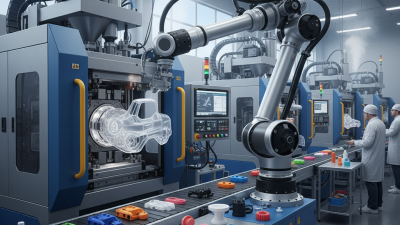
Moreover, the technology behind injection molding is advancing rapidly. Improvements in materials and methods are opening new possibilities. For example, the integration of automation is reducing human error. Yet, there is still room for enhancement in optimizing cycle times and energy consumption. Balancing cost, quality, and innovation remains a crucial area for the industry.
2026 Injection Molding Techniques Overview
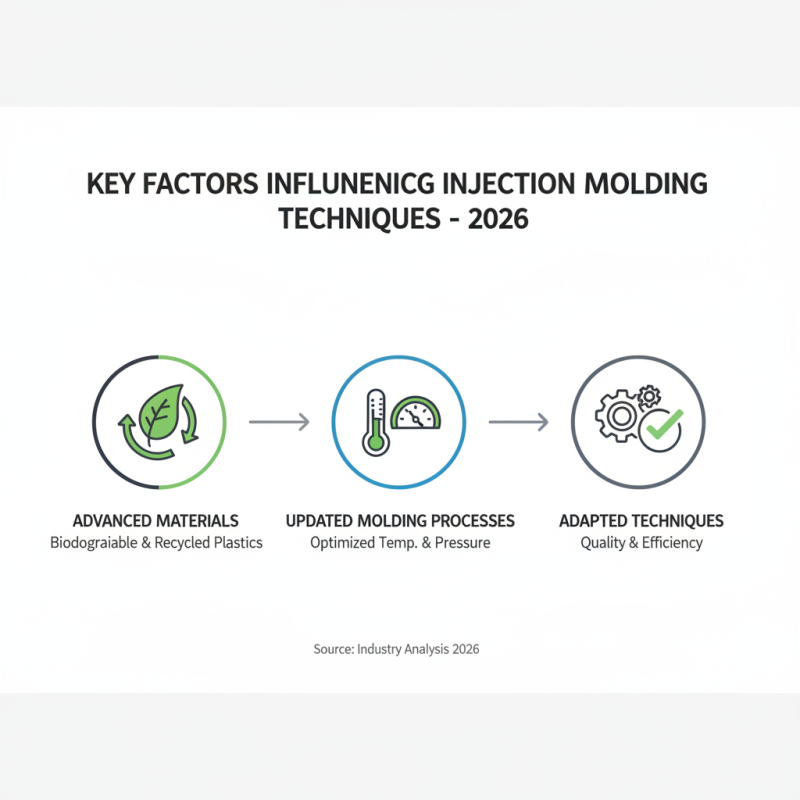
Key Factors Influencing Injection Molding Techniques in 2026
In 2026, key factors will shape injection molding techniques significantly. One critical aspect is the advancement in materials. The rise of biodegradable and recycled plastics will necessitate updated molding processes. These materials often require different temperatures and pressures, changing operational parameters. Manufacturers must adapt their techniques to ensure consistent quality and efficiency.
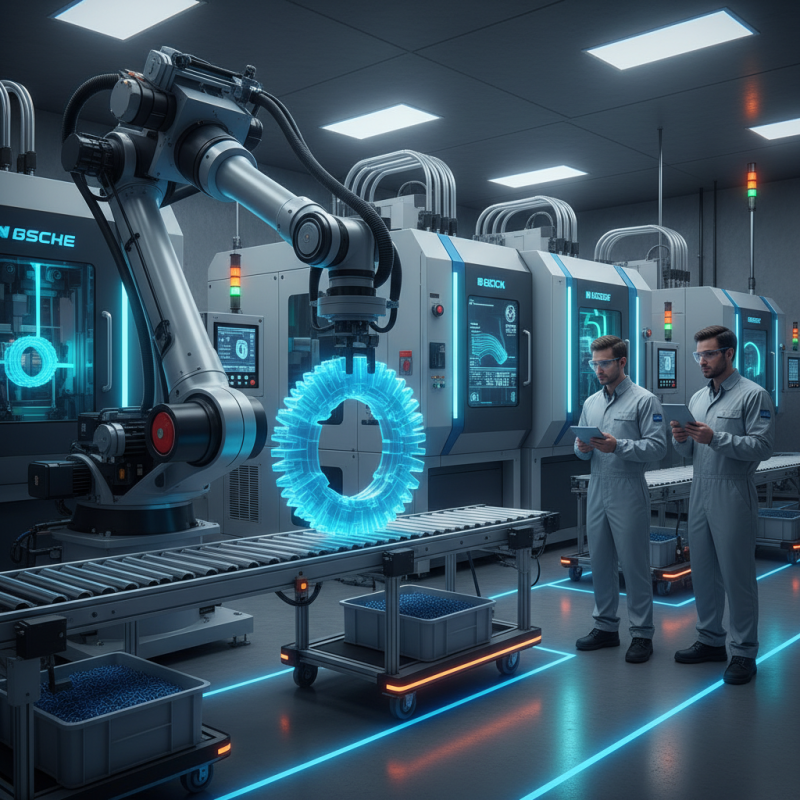
Another influencing factor is automation. The integration of AI and robotics can streamline production. Automation helps reduce human error and improves precision. Yet, it poses new challenges, such as the need for skilled technicians who can manage advanced machines. Companies must rethink their training approaches to keep pace with technology.
Sustainability will remain a prominent concern. As industries push for greener practices, injection molding must evolve. This includes minimizing waste and optimizing energy use during production. While these goals are noble, achieving them may not always be straightforward. Many companies struggle to balance efficiency and sustainability, which requires careful consideration and ongoing adjustments.
Latest Innovations in Injection Molding Technology for Global Buyers
The injection molding industry is witnessing rapid advancements in technology. New innovations aim to improve efficiency, reduce waste, and enhance product quality. Process improvements such as enhanced temperature control and mold design optimization are becoming standard practices. These changes allow manufacturers to produce complex geometries with precision.
Additive manufacturing is also gaining traction in injection molding. This integration enables the production of custom parts quickly and cost-effectively. It offers flexibility in design changes without the need for extensive retooling. However, transitioning to these new methods can be challenging. Companies must adapt their workflows and invest in training.
Sustainability is another focus area. More companies are exploring biodegradable materials to minimize environmental impact. While these innovations are promising, they require thorough testing for industrial applications. The industry still faces hurdles in balancing performance and eco-friendliness. This ongoing discussion highlights the need for careful consideration of all factors in adopting new technologies.
Comparative Analysis of Different Injection Molding Methods
Injection molding is a crucial process in manufacturing. Various techniques exist, each with unique strengths and applications. Understanding these methods helps buyers make informed decisions.
Traditional injection molding is widely used. It offers a reliable way to produce high volumes of parts. However, it can be costly and time-consuming for small batches. In contrast, 3D printing for injection molding is gaining traction. It allows for rapid prototyping and small-scale production. This method enhances design flexibility but may face limitations in material choices.
Another notable technique is gas-assisted injection molding. This method reduces material usage and cycle times. It is ideal for creating hollow parts. While effective, it requires specialized equipment. Buyers should consider the trade-offs of each method when selecting the best approach. A careful evaluation leads to better outcomes in production efficiency and cost management.
Sustainability Considerations in Injection Molding Practices for 2026
Sustainability has become a crucial focus in injection molding practices as we approach 2026. Companies are increasingly adopting eco-friendly materials and processes. Recycled plastics are gaining traction. These materials reduce waste and energy usage during production. However, the transition can be challenging. Not all recycled materials offer the same quality or performance.
Moreover, energy efficiency plays a vital role. Advanced machinery can save significant amounts of energy. Still, many manufacturers hesitate to invest. The upfront costs of new technology can be daunting. This hesitation reflects a broader challenge in the industry. Balancing sustainability with economic viability is not easy.
Looking forward, there is a pressing need for innovation. Some experts suggest integrating renewable energy sources in production. Others propose waste reduction methods to minimize environmental impact. However, not every solution is feasible for all businesses. Experimentation is key. Some practices may work better than others. It’s essential to evaluate what fits one's specific circumstances. The path to sustainable injection molding is complex and still evolving.