2026 How to Choose the Best Wpc Decking for Your Project?
Wpc Decking is rapidly becoming a popular choice for outdoor projects. It combines durability and aesthetics, making it appealing for homeowners and builders alike. Choosing the right WPC decking can be overwhelming, given the plethora of options available in the market today.
When selecting the best WPC decking for your project, consider factors such as material quality, color, and texture. Each option presents unique advantages and potential drawbacks. Researching manufacturers and reading customer reviews can improve your decision-making process. Sometimes, small variations in product specifications can lead to significant differences in performance and longevity.
A flawed choice can lead to unexpected maintenance issues or dissatisfaction with the overall appearance. It's vital to think critically about your needs and preferences. WPC decking might look amazing initially, but consider how it will perform over time. Making an informed choice involves weighing aesthetic desires against practical considerations.
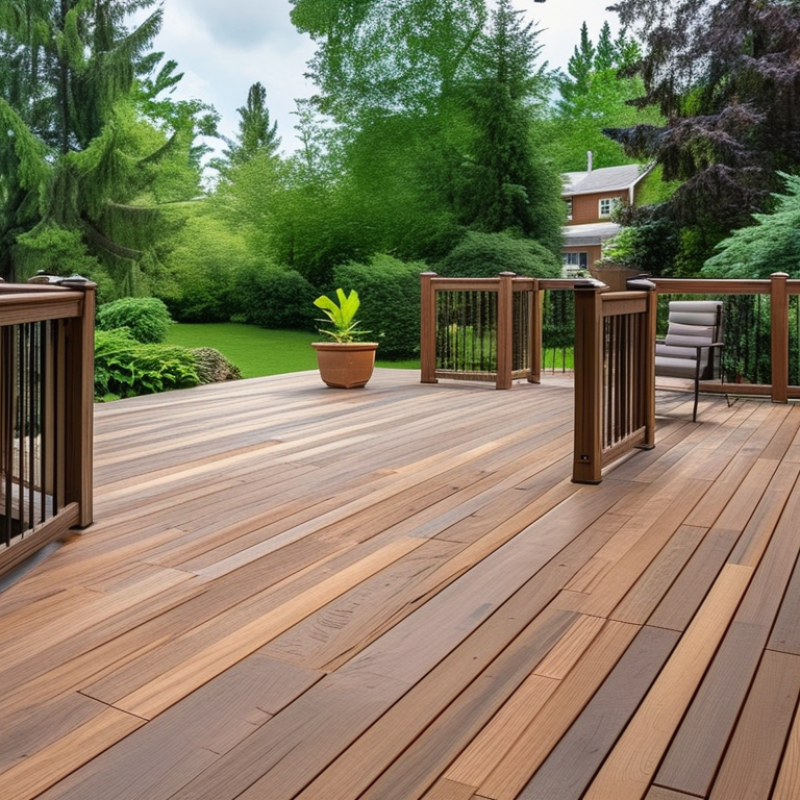
Understanding WPC Decking: Definition and Benefits
WPC decking stands for Wood-Plastic Composite decking. This material blends wood fibers and recycled plastics, creating a unique composite. Homeowners often choose WPC decking for its durability and low maintenance. Unlike traditional wood, it resists rot, warping, and insect damage, making it a long-lasting option.
One significant benefit of WPC decking is its eco-friendliness. It's made from recycled materials, contributing to sustainability. Choosing it helps reduce waste and supports environmental goals. However, not all WPC products are created equal. Some may fade or scratch easily, so it's crucial to research thoroughly.
Appearance matters too. WPC decking comes in various colors and textures, mimicking natural wood. But, some users report uneven coloring over time. This inconsistency can be frustrating. While WPC decking often provides the best of both worlds, potential buyers should consider their specific needs carefully before making a selection.
Types of WPC Decking: A Comprehensive Overview
When selecting WPC (Wood Plastic Composite) decking, understanding the different types available is crucial. WPC decking is popular due to its durability and low maintenance requirements. According to a report from MarketsandMarkets, the WPC decking market is expected to reach USD 5.6 billion by 2025. This growth signals a strong interest in sustainable building materials.
There are several types of WPC decking. Solid WPC boards offer robust performance and aesthetic appeal. They are great for high-traffic areas and have a longer lifespan. Hollow WPC boards, on the other hand, are lighter and often more affordable. However, they may have lower structural strength. Some options even include capped composite boards. These feature a protective shell for added water resistance, making them ideal for wet environments. However, the capping process can introduce variability in quality.
Additionally, surface textures and colors vary widely. Some boards mimic natural wood grain, while others come in vibrant shades. A study by the North American Deck and Railing Association highlighted that homeowners value aesthetics as much as longevity. Yet, selecting the perfect WPC decking still requires careful consideration of your specific needs. Balancing beauty, cost, and performance can be challenging, emphasizing the need for thorough research before making a choice.
Factors to Consider When Choosing WPC Decking
When choosing WPC decking, several factors come into play. First, consider the material's composition. Wood Plastic Composite (WPC) typically consists of wood fibers and recycled plastic, creating a blend that offers durability and weather resistance. The ideal composition often includes a higher percentage of wood fibers for enhanced aesthetics and a more natural feel. A recent report indicates that WPC products with at least 50% wood content have superior strength and longevity.
The deck's aesthetic value is another critical aspect. Homeowners should pay attention to color, texture, and finish. Textured surfaces provide better slip resistance. According to a study, textured WPC decking reduces slipping risk by up to 35% compared to smooth surfaces. This can be crucial for outdoor settings, especially around pools or wet areas. Ensure that the chosen color complements your home and landscape.
Cost is also a significant consideration. While WPC decking can be more expensive than traditional wood, its low maintenance requirements often lead to long-term savings. Some reports suggest that homeowners can save up to 70% in maintenance costs over 25 years with WPC compared to wood decks. However, be prepared for potential aesthetic fading due to UV exposure, which requires periodic maintenance. Balancing these factors is key to making an informed decision for your project.
Comparing WPC Decking Brands: Reviews and Recommendations
When choosing WPC (Wood Plastic Composite) decking, it's essential to compare brands effectively. Not all WPC products are created equal. Specific characteristics can make a significant difference. Research indicates that the right choice can improve longevity and aesthetics. A notable report from the Freedonia Group states that WPC decking demand is expected to rise by 10% annually through 2026.
Different brands excel in various aspects. For instance, one brand may prioritize UV protection, while another offers superior resistance to mold. Knowing what’s crucial for your project helps narrow down your options. Pay attention to warranties and customer feedback. Reports show that consumers often prioritize durability and maintenance level.
Tips: Always seek third-party reviews. These can reveal long-term performance insights that brands won’t highlight. Look for products with solid environmental certifications. Many consumers prefer eco-friendly options, and certified products often have better overall performance. Remember, what works for one project may not suit another, so be thoughtful in your selection.
Installation and Maintenance Tips for WPC Decking Projects
When working on a WPC decking project, installation plays a vital role in achieving longevity and aesthetic appeal. Begin by preparing your base. A stable, level surface is essential. Make sure to remove debris and grass. Using a compacted sub-base will enhance stability. This often overlooked step can lead to future issues. Improper grading may cause pooling water, resulting in mold growth.
Next, consider the spacing between the decking boards. Maintaining consistent gaps is crucial for drainage and expansion. Too tight a fit can lead to warping. Use spacers to help keep these gaps uniform. It can be tedious, but this attention to detail pays off.
Maintenance is equally important. While WPC lessens upkeep compared to wood, it still requires attention. Routine cleaning with mild soap and water is effective. Avoid harsh chemicals that could damage the surface. Inspect for signs of wear and tear regularly. Addressing small issues can prevent larger problems down the road. Being proactive is key to a long-lasting deck.
2026 How to Choose the Best WPC Decking for Your Project? - Installation and Maintenance Tips for WPC Decking Projects
| Feature | Description | Maintenance Tips | Installation Tips |
| Material Quality | Choose high-density WPC for better durability and resistance to weather conditions. | Clean regularly with mild soap and water; avoid harsh chemicals. | Follow manufacturer guidelines for correct spacing and expansion gaps. |
| Slip Resistance | Opt for WPC with a textured surface for better traction. | Use sandpaper to roughen smooth areas if necessary. | Ensure proper drainage is installed to prevent water pooling. |
| Color Options | Available in various colors; choose one that complements your outdoor space. | Periodically clean to maintain color vibrancy; avoid direct sunlight exposure. | Consider mixing different colors for an aesthetic appeal. |
| Eco-friendliness | WPC is made from recycled materials; it's a sustainable choice. | Choose eco-friendly cleaners for maintenance. | Make sure your supplier adheres to environmental standards. |
| Warranty | Check for a solid warranty period; it indicates manufacturer confidence. | Document maintenance activities; may help in warranty claims. | Keep installation records for future reference. |