How to Choose a Hindered Phenol Antioxidant Supplier
Selecting a Hindered Phenol Antioxidant supplier is not just a price comparison. The material must suit the polymer, processing temperature, and end-use requirements. A low quotation can look attractive, yet inconsistent batches may create costly production delays. Small details matter.
Begin by checking the supplier’s technical documentation. Request a current certificate of analysis, product specifications, and clear information about batch identification and storage. Compare key values against your application needs rather than relying on a product name alone. Ask how the supplier monitors consistency between batches and handles questions about test methods. If possible, evaluate a representative sample under your own processing conditions. A sample is useful, but it cannot prove long-term consistency by itself.
Reliable suppliers explain limitations as well as strengths. Look for responsive technical support, realistic lead times, and traceable quality records. Ask whether packaging protects the antioxidant from moisture, heat, or contamination during storage and transport. These checks help reveal whether a supplier can support routine orders, not just an initial sale. Still, no checklist catches everything. Communication may be excellent before an order and less clear afterward. That deserves attention. Consider how promptly the supplier answers detailed questions and whether the answers match its documentation. This guide outlines practical criteria for comparing suppliers, assessing product fit, and reducing avoidable sourcing risks. The final choice should reflect verified evidence, production needs, and a willingness to review assumptions before committing.
Define Your Hindered Phenol Antioxidant Requirements
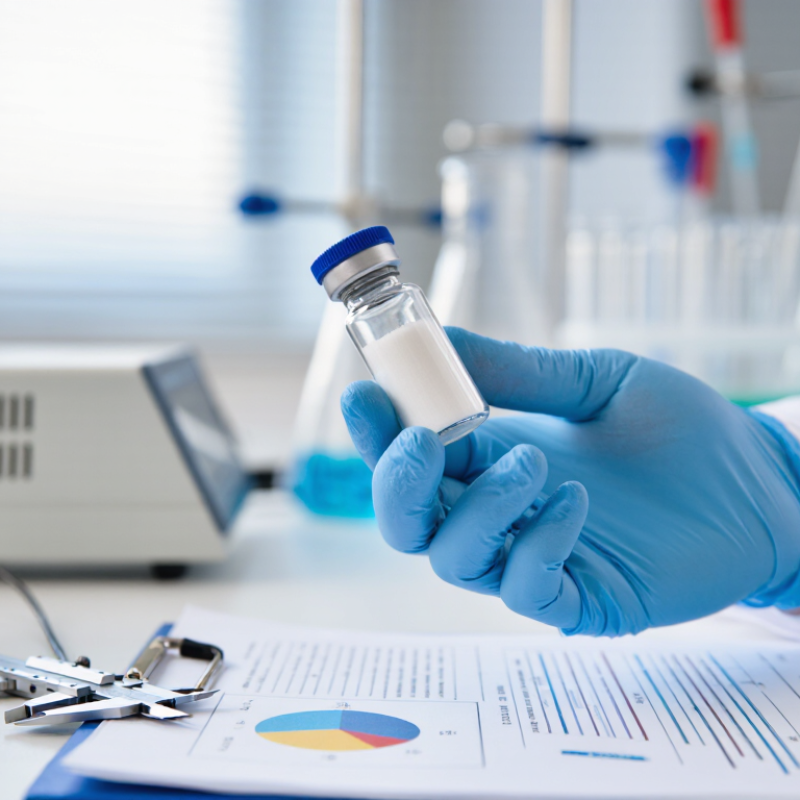
Before comparing suppliers, define the conditions your antioxidant must survive. Specify the polymer grade, melt-processing temperature, residence time, and expected service environment. A polyethylene film exposed to sunlight has different needs from a molded part stored indoors. State whether color, odor, food-contact suitability, or low-volatility performance matters. Be precise about the intended use. Hindered phenols help interrupt oxidation, but a datasheet alone cannot predict performance in every formulation.
Plastics Europe’s Plastics—The Fast Facts 2024 reports 413.8 million tonnes of global plastics production in 2023. That figure is not antioxidant demand; it does show how varied the material applications can be. Ask suppliers for active-content specifications, impurity limits, batch certificates, and recommended starting dosages for your resin and process. Then test samples under relevant conditions. Oxidative-induction-time testing, such as ASTM D3895 for polyolefins, can help compare thermal stability. Also check color change and mechanical-property retention after aging. A neat datasheet is not enough. One detail buyers sometimes underestimate is handling: powder flow, dust, and packaging can affect dosing on a real production line. Supplier support matters, but your own processing trial should decide.
Assess Supplier Product Quality and Technical Expertise
A hindered phenol antioxidant supplier should provide more than a specification sheet. Ask for batch-specific certificates showing assay, moisture, residual solvents, and key impurities. Compare results across several lots, not one sample. Small differences can affect processing or product color. No datasheet is perfect.
Technical evidence matters. PlasticsEurope’s 2024 report estimates global plastics production reached 413.8 million tonnes in 2023. That scale makes dependable additive quality important, though the figure alone does not predict antioxidant performance. Request test data for your resin and processing conditions. Oxidation induction time testing, such as ISO 11357-6, can help compare thermal stability. Ask how the supplier controls test conditions and interprets results.
A capable technical team should discuss dosage, compatibility, and likely interactions with other additives. Ask for support with a controlled trial: record melt temperature, residence time, color, and aging results. Check whether the supplier can explain unexpected results, not just provide a recommended loading. I would be cautious about relying on one accelerated test; it may not reflect years of real use. Clear methods and traceable batch records build trust.
Verify Manufacturing Standards and Regulatory Compliance
A hindered phenol antioxidant supplier should provide evidence that its production controls match your application’s requirements. Ask for a current ISO 9001 certificate, its scope, and the issuing body’s details. ISO’s Survey 2022 reported about 1.26 million valid ISO 9001 certificates worldwide. That figure shows the standard’s reach, not a supplier’s product quality. Check whether the certified site actually makes or tests the antioxidant.
Review a recent certificate of analysis alongside the specification. Confirm that the batch number, assay method, purity limits, and release date are traceable. For a pale powder, ask how the supplier controls moisture, particle size, and contamination during packing. Small details matter. Request change-control records and evidence of retained-sample testing; a certificate alone may not reveal process drift. I would also ask how deviations are investigated, even when the answer is not perfect.
Regulatory files should be specific to the product and destination market. Request a current safety data sheet, composition or substance disclosure, and written statements covering applicable chemical inventory and restricted-substance requirements. Where relevant, verify REACH-related documentation rather than relying on a generic compliance claim. Ask for the revision date and responsible technical contact. Then compare the documents with your own use conditions, such as polymer type, processing temperature, and food-contact status. Gaps happen; document them before approving a supplier.
How to Choose a Hindered Phenol Antioxidant Supplier
Verify Manufacturing Standards and Regulatory Compliance
Use this checklist to compare documentation: quality-system certification and scope; product identity and traceability; REACH status and supply-chain role; current, applicable safety data sheets; and batch-linked certificates of analysis with test methods. Counts show the evidence checks listed for each category, not supplier ratings or legal thresholds. Requirements vary by substance, jurisdiction, supplier role, and end use; ISO certification is not universally mandatory.
Compare Supply Capacity, Pricing, and Delivery Terms
When comparing hindered phenol antioxidant suppliers, ask for practical capacity evidence, not a headline figure. Request monthly output for your grade, typical batch size, current inventory, and the time needed to scale up. Ask for evidence. A recent certificate of analysis and a production schedule help distinguish available stock from optimistic estimates. Confirm packaging and storage conditions too; drums waiting outdoors may not match your quality expectations.
Compare like with like: same grade, purity, order volume, packaging, and delivery point. Ask whether the quote includes freight, insurance, and handling, and how long the price remains valid. UNCTAD’s Review of Maritime Transport 2024 reports that maritime trade grew 2.4% in 2023, while forecasting 2% growth in 2024. Those figures do not predict a specific shipment, but they underline why route, carrier, and lead-time assumptions belong in the comparison. Request written delivery windows, shipment tracking, and a clear process for delays. No spreadsheet removes every risk. I would still check whether the supplier can support a small trial order before committing to a larger volume.
How to Choose a Hindered Phenol Antioxidant Supplier - Compare Supply Capacity, Pricing, and Delivery Terms
Illustrative RFQ comparison for a standard hindered phenolic antioxidant grade. Supplier profiles and prices below are sample procurement data, not verified live offers. Confirm grade, specification, availability, and delivery terms directly before purchase. | Evaluation item | Supplier A | Supplier B | Supplier C |
| Product scope | Standard hindered phenol antioxidant; grade and specification to be confirmed | Standard hindered phenol antioxidant; grade and specification to be confirmed | Standard hindered phenol antioxidant; grade and specification to be confirmed |
| Indicative annual supply capacity | About 600 metric tons | About 1,500 metric tons | About 3,000 metric tons |
| Indicative price for a 1,000 kg order | US$5.60–6.20/kg | US$5.10–5.80/kg | US$4.90–5.60/kg |
| Minimum order quantity | 25 kg | 100 kg | 500 kg |
| Typical production lead time | 2–3 weeks after order confirmation | 3–4 weeks after order confirmation | 4–6 weeks after order confirmation |
| Sample export delivery term | FCA named place; buyer arranges main carriage | FOB named port; ocean freight arranged by buyer | CFR named port; freight included, insurance excluded |
| Typical packaging option | 25 kg lined bags; palletization available | 25 kg bags or fiber drums, subject to order size | 25 kg bags; export pallets available |
| Quality documents to request | Certificate of Analysis (CoA), Safety Data Sheet (SDS), specification sheet | Batch CoA, SDS, specification sheet; sample available on request | Batch CoA, SDS, specification sheet; traceability details on request |
| Payment terms shown in sample RFQ | 30% advance; balance before dispatch | Payment before shipment for initial orders | Letter of credit or advance payment, subject to approval |
| Best fit | Smaller trial orders and shorter stated lead time | Balanced order size, price, and stated capacity | Larger planned volumes and freight-included quotations |
Before selecting a supplier, compare quotations on the same product grade, order quantity, packaging, destination, and Incoterms® rule. Verify capacity, batch specifications, current stock, shipping schedule, and all additional charges in writing.
Evaluate Technical Support and Long-Term Reliability
Technical support should be tested with real application questions, not a polished brochure. Ask whether the supplier can explain how a hindered phenol antioxidant performs in your resin, processing temperature, and target service life. Request lot-specific certificates of analysis, the test methods used, and data on key properties such as purity and melting range. Then compare a sample in your own formulation. Small color shifts or processing changes can reveal gaps that a general specification misses. That matters.
Long-term reliability needs evidence too. The ISO Survey 2022 recorded 1,265,216 valid ISO 9001 certificates worldwide. This shows how common quality-management certification is; it does not prove consistent delivery or product performance. Ask for batch traceability, documented change notification, retained-sample practices, and recent on-time delivery records. Discuss how the supplier handles a delayed shipment or an out-of-specification batch. Can technical staff review test results promptly, or does every question pass through sales? A site audit and a review of several months of delivery and complaint data can help. I would not treat one successful trial as proof; it is easy to overlook how process changes affect antioxidant performance over time.