How to Choose the Best Cast Acrylic for Your Projects?
Choosing the right cast acrylic for your projects can seem daunting. Many artists and designers face this challenge. According to Sarah Jensen, an industry expert in cast acrylic applications, "The clarity and quality of cast acrylic can transform any project." This highlights the importance of selecting the best material.
Cast acrylic is known for its versatility and durability. However, not all cast acrylic products are created equal. It's essential to understand the differences in thickness, color, and finish. These factors can significantly impact the final outcome of your project. Often, people overlook these details, leading to disappointing results.
Before making your decision, consider your project's specific requirements. Are you aiming for transparency or color vibrancy? Each choice can alter your design's effectiveness. Exploring high-quality options can lead to more successful outcomes. With careful thought and research, you can find the perfect cast acrylic for your artistic vision.
Understanding Cast Acrylic: What Sets It Apart from Other Materials
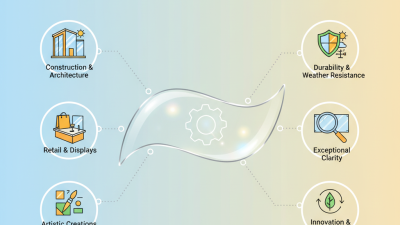
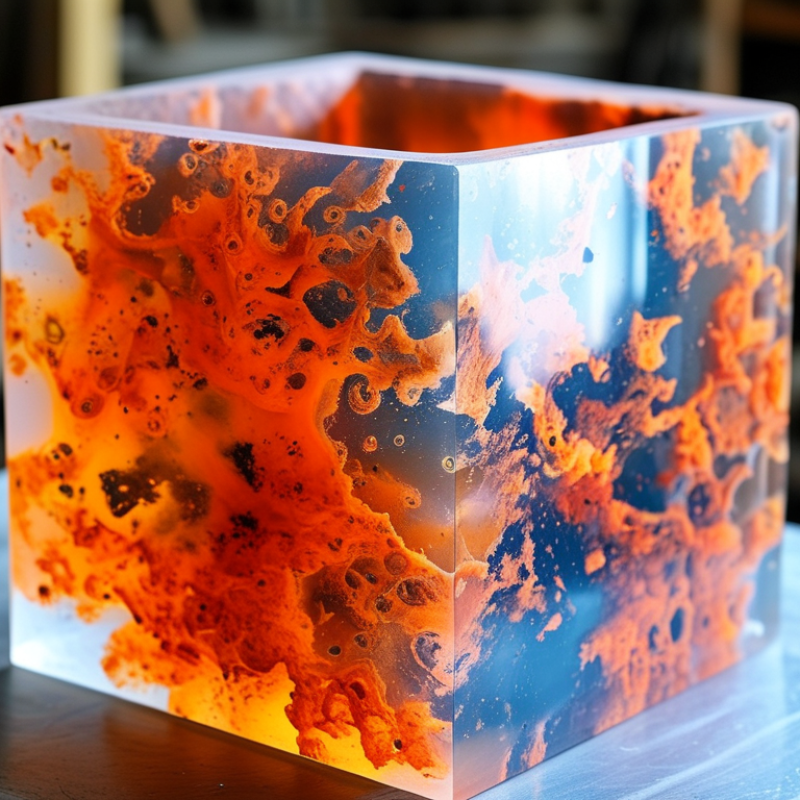
When considering cast acrylic for your projects, understanding its unique qualities is essential. Cast acrylic, unlike extruded acrylic, is made by pouring liquid resin between molds. This process results in a thicker, more durable product. Cast acrylic is resistant to UV light and won't yellow easily, which makes it suitable for both indoor and outdoor applications. Its ability to mimic glass creates a refined look that is highly sought after.
The versatility of cast acrylic sets it apart from other materials. It can be readily shaped, polished, and bonded, allowing for intricate designs. It is also lighter than glass, making it easier to manage during installations. However, its impact resistance, though impressive, is not infallible. While it handles heavy use well, it can still scratch or become damaged under extreme conditions.
Ultimately, knowing how cast acrylic compares to options like glass or polycarbonate aids in making informed decisions. Each material has strengths and weaknesses. Cast acrylic offers clarity and aesthetics, but potential users should be mindful of its limitations. Choosing the right material for your project involves weighing these factors carefully.
Comparison of Cast Acrylic vs. Other Materials
Identifying Your Project Needs: Thickness, Clarity, and Application
Choosing the right cast acrylic involves understanding specific project needs, such as thickness, clarity, and intended application. Thickness plays a crucial role in durability and appearance. Projects requiring structural integrity may need thicker sheets. On the other hand, lightweight options work better for decorative uses. Evaluate if the thickness aligns with your aesthetic and functional goals.
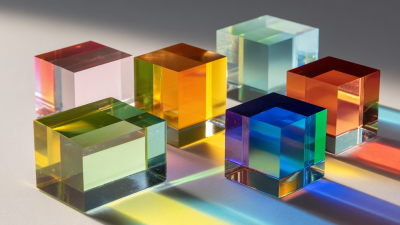
Clarity is another essential factor to consider. Clear acrylic often provides a glass-like appearance, ideal for displays or projects highlighting colors and details. However, frosted or colored acrylic can serve a different purpose. It can diffuse light and offer a unique visual effect. Reflect on whether clarity or color enhances your specific project.
Application is where many overlook potential issues. For indoor projects, regular acrylic might suffice, but for outdoor use, UV resistance becomes vital. It helps maintain clarity over time. Think about where your project will be used. Will it be exposed to the elements? Taking these considerations into account allows for a more informed choice, ensuring the chosen material fits the project's needs.
Evaluating Material Quality: Recognizing Top Manufacturers and Standards
When choosing cast acrylic for your projects, evaluating material quality is crucial. Recognizing top manufacturers and industry standards can significantly impact your results. According to reports from the Acrylic Manufacturers Association, around 85% of acrylic failures arise from inferior material choices. This highlights the importance of sourcing from reputable suppliers.
Transparency and thickness are vital factors in assessing acrylic quality. Industry standards suggest that high-quality acrylic should have a light transmission level of over 92%. Additionally, a thickness tolerance of just ±10% is recommended for optimal durability. Subpar acrylic may not meet these standards, leading to issues down the line.
Take note of the testing certifications. Materials should undergo rigorous testing for impact resistance and UV stability. A report from the American Plastics Council states that less than 30% of acrylic products on the market meet these essential qualifications. Always consider products with recognized certifications. Remember, quality materials lead to better project outcomes, but not all products that claim to be high-quality truly are.
Choosing the Right Finish: Options for Glossy, Matte, or Textured Surfaces
When considering cast acrylic for your projects, the finish you choose can dramatically affect the final look. Options include glossy, matte, and textured surfaces, each serving different aesthetic and functional purposes. Glossy finishes reflect light, creating a vibrant appearance. They are ideal for applications where visibility and shine are essential, like displays or signage. However, glossy surfaces can show fingerprints and scratches more easily.
On the other hand, matte finishes provide a subtle and sophisticated look. They diffuse light, which can make colors appear softer. This finish is excellent for projects that require a more understated style. Yet, matte surfaces may not be as easy to clean and can retain dust and smudges over time. Textured surfaces offer a unique tactile experience. They can enhance grip and visual interest but may not provide the same clarity as glossy or matte options.
Choosing the right finish depends on your project's goals. Consider the environment where the acrylic will be used. Will it be indoors, where a matte finish might thrive? Or outdoors, where a glossy finish could catch the eye? Reflect on these factors and how they align with the art, design, or function of your work. Each option presents its pros and cons, and it's essential to weigh these carefully.
Understanding Pricing Factors: Cost versus Quality in Cast Acrylic Selection
When selecting cast acrylic for your projects, understanding pricing factors is key. The cost can vary widely based on quality, thickness, and brand. Many assume that higher price always means better quality, but this isn’t always true. A cheaper option might fit your project perfectly. Consider your specific needs before making a decision.
Quality in cast acrylic reflects its clarity, durability, and resistance to UV light. Optimal clarity is vital for certain applications, such as displays or aquariums. However, budget constraints may lead to compromises. It's essential to evaluate whether the project demands premium quality or if a less expensive alternative suffices.
Reflect on your project’s requirements. For instance, if your use is temporary, investing in low-cost acrylic could be practical. Conversely, permanent installations might merit higher-quality materials. A clear understanding of your goals will guide your choice and help balance cost against quality effectively. Each project will have unique variables to consider.