What is Clear Plastic Sheets and How Are They Used in Everyday Life
Clear plastic sheets have become a ubiquitous part of daily life, serving various functional and aesthetic purposes across multiple industries. According to a report by Grand View Research, the global market for plastic sheets was valued at over $21 billion in 2022, reflecting a growing demand for versatile materials that are both lightweight and durable. These sheets are primarily made from materials like polycarbonate, acrylic, and PVC, which offer clarity, impact resistance, and adaptability, making them highly sought after for applications in construction, signage, and packaging.
In everyday life, clear plastic sheets are employed in a multitude of ways, ranging from protective barriers in commercial settings to lightweight, transparent covers in crafting. The versatility of these materials allows them to be custom-cut and shaped for specific needs, leading to innovative solutions such as greenhouse panels that enhance plant growth by optimizing light exposure. Furthermore, the increase in sustainable practices has driven the development of recycled and eco-friendly options in the clear plastic sheets market, adding another layer of appeal to consumers looking for environmentally responsible choices. As we delve deeper into the various applications and benefits of clear plastic sheets, it becomes evident that these materials play a crucial role in both functional design and sustainability efforts in modern life.

Definition of Clear Plastic Sheets and Their Composition
Clear plastic sheets are versatile materials made primarily from polymers such as polyethylene, polycarbonate, or acrylic. These sheets are characterized by their transparent nature, which allows light to pass through while providing strength and durability. Typically, clear plastic sheets are manufactured through processes such as extrusion or casting, resulting in various thicknesses and sizes to cater to different needs. The composition of these sheets contributes to their flexibility and impact resistance, making them suitable for a broad range of applications including construction, signage, and protective barriers.
Tips for working with clear plastic sheets:
- Ensure a clean work surface before cutting or shaping the material to avoid scratches or damage.
- It’s also advisable to use proper tools designed for plastic cutting, as this will help maintain the integrity of the edges and avoid chipping.
- When it comes to installation or application, consider using gentle adhesives or mounting techniques that do not compromise the sheet’s clarity or durability.
Additionally, proper storage of clear plastic sheets is essential to prolong their lifespan. Keep them in a cool, dry place away from direct sunlight to prevent warping or discoloration. When transporting, use protective coverings to minimize the risk of scratches. By following these tips, you can maximize the benefits of clear plastic sheets in your everyday life, whether for crafting projects, home improvement, or industrial purposes.
Common Types of Clear Plastic Sheets Used in Various Applications
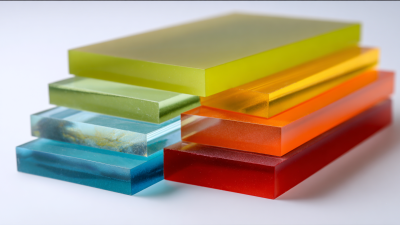
Clear plastic sheets are versatile materials utilized across a wide range of applications due to their durability, clarity, and flexibility. One common type is acrylic, often used in signage, displays, and protective barriers. Its lightweight nature and ability to mimic glass make it an excellent choice for projects needing transparency and impact resistance. Acrylic sheets are easy to fabricate and can be cut, drilled, or shaped to fit specific requirements.
Another prevalent type of clear plastic sheet is polycarbonate, known for its exceptional strength and thermal stability. This material is frequently used in safety equipment, such as face shields and eyewear, as well as in architectural applications, like skylights and greenhouses. Polycarbonate sheets are also used in the automotive industry for parts like headlight lenses due to their high impact resistance. With the growing demand for lightweight and energy-efficient materials, both acrylic and polycarbonate sheets play significant roles in everyday life, catering to various sectors such as retail, construction, and manufacturing.
Everyday Uses of Clear Plastic Sheets in Home and Office Settings
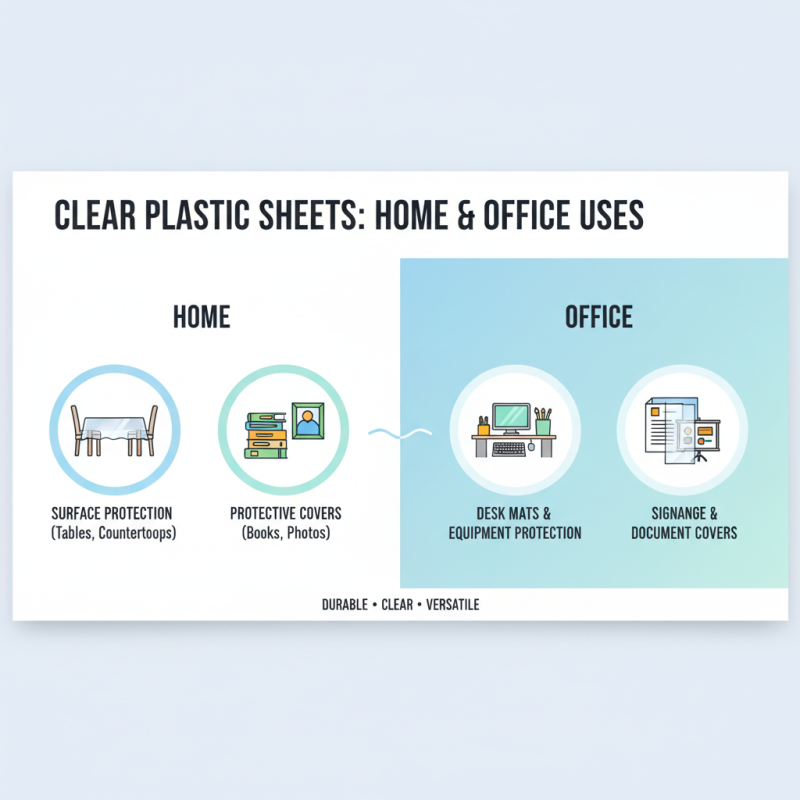
Clear plastic sheets are versatile materials widely used in various home and office environments due to their durability and clarity. In home settings, they serve multiple purposes, such as protecting surfaces from scratches and spills. For example, clear plastic sheets can be placed over dining tables or countertops to keep them in pristine condition while allowing the beauty of the surface to show through. Additionally, they can be utilized in crafting projects, providing a transparent layer for art displays, or serving as protective covers for items like books or photographs.
In office settings, clear plastic sheets are equally beneficial. They are often employed as protective covers for documents and reports, ensuring that important information remains safe from wear and tear. Many offices utilize clear plastic sheets in presentation materials, allowing visuals to be displayed without the distraction of opaque backgrounds. Furthermore, these sheets can be used in partitioning spaces, offering a lightweight solution that maintains an open feel while delineating areas for privacy or focus within the workspace. Overall, clear plastic sheets are a practical solution for enhancing both functionality and aesthetics in everyday life.
Advantages of Using Clear Plastic Sheets Over Other Materials
Clear plastic sheets are widely appreciated in various applications due to their numerous advantages over traditional materials like glass and metal. One of the primary benefits is their lightweight nature. Compared to glass, clear plastic sheets are significantly easier to handle, transport, and install, making them an ideal choice for both DIY projects and professional applications. Their resistance to shattering also means that they are safer to use in environments where breakage can pose a risk to safety, such as schools and homes with children.
Additionally, clear plastic sheets exhibit excellent clarity and transparency, allowing for maximum light transmission. This makes them suitable for uses such as window replacements, greenhouse panels, and displays where visibility is crucial. Furthermore, they are often UV resistant, which protects the underlying surfaces or contents from sun damage while ensuring lasting clarity. Another important advantage is their versatility; clear plastic sheets can be easily cut, shaped, and fabricated to meet specific project requirements, providing an edge over more rigid materials. The combination of these factors not only enhances their usability but also contributes to cost savings in various applications, making clear plastic sheets a practical choice in everyday life.
What is Clear Plastic Sheets and How Are They Used in Everyday Life - Advantages of Using Clear Plastic Sheets Over Other Materials
| Dimension |
Description |
Advantages |
| Thickness |
Varies from 0.5mm to 12mm |
Lightweight yet durable |
| Transparency |
Clarity up to 90% |
Excellent visibility |
| UV Resistance |
Yes, with special coatings |
Protects against fading and damage |
| Uses |
Windows, displays, covers |
Versatile applications |
| Cost |
Typically lower than glass |
Cost-effective option |
Recycling and Environmental Impact of Clear Plastic Sheets
Clear plastic sheets, commonly made from materials like polycarbonate and acrylic,
are widely utilized due to their transparency and durability. However, like many plastic products, they pose significant challenges in terms of recycling and environmental impact.
According to a report by the Environmental Protection Agency, in 2018, only about 9% of plastic waste generated in the U.S. was recycled.
This low recycling rate highlights the critical need for improved systems and awareness regarding plastic waste management.
The environmental implications of clear plastic sheets extend beyond their disposal. The production process for plastic sheets consumes substantial energy and petrochemical resources,
contributing to greenhouse gas emissions. A study from the Plastics Industry Association estimates that the production of plastic products can emit up to
3.9 metric tons of CO2 for every ton of plastic produced. Furthermore, if not properly recycled, these materials can contribute to the
growing problem of microplastics in oceans and ecosystems, posing threats to wildlife and human health.
Promoting recycling initiatives and developing biodegradable alternatives are essential steps towards mitigating the environmental impacts of clear plastic sheets.
Innovations in recycling technologies, such as chemical recycling processes that can break down plastic into its original components, may offer viable solutions for
increasing recycling rates and reducing landfill waste. As awareness grows, the responsibility falls on consumers and manufacturers alike to seek sustainable practices in the use of clear plastic sheets.