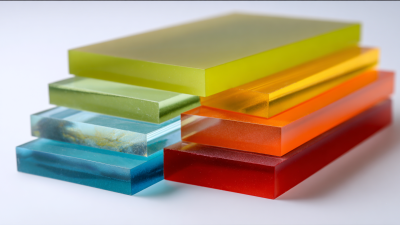
What is the Cost and Size of Large Acrylic Sheets?
In the world of plastics, "large acrylic sheets" play a crucial role in numerous industries. Jamie Smith, a leading expert in acrylic manufacturing, once stated, "The demand for large acrylic sheets is soaring as architects and designers embrace its versatility." This insight reflects the growing interest in acrylic's applications, from signage to furniture design.
When considering the cost and size of large acrylic sheets, various factors come into play. Thickness, finish, and custom dimensions all significantly impact price. For instance, while standard sizes may be more affordable, custom cuts often command a premium. Additionally, fluctuations in material costs can affect budgets. It's essential to weigh these aspects carefully. Large acrylic sheets are not just a purchase; they represent an investment that should align with project goals.
Despite its popularity, there are still challenges in sourcing high-quality large acrylic sheets. Variability in manufacturing can lead to inconsistencies in quality and performance. Buyers must remain vigilant to ensure they receive products that meet their specifications. Overall, understanding these dynamics is key to making informed decisions in the acrylic sheet market.
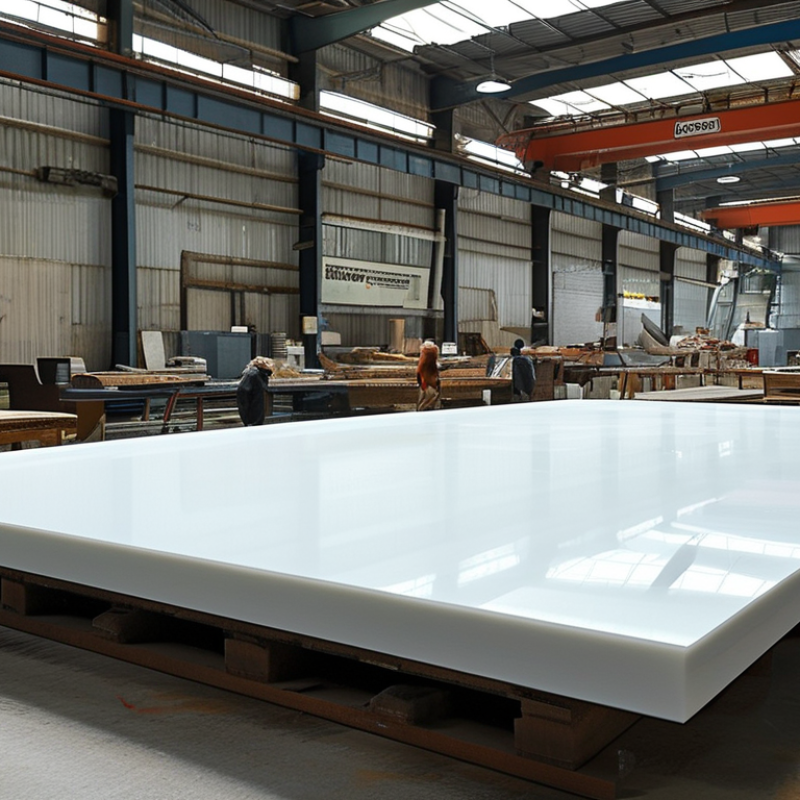
Understanding Acrylic Sheets: Overview and Applications
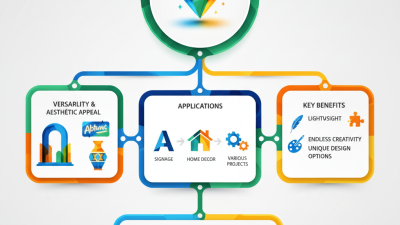
Acrylic sheets have gained significant popularity across various industries. Their versatility makes them a favorite for projects ranging from signage to protective barriers. Acrylic is a lightweight material, yet it offers excellent clarity. This allows it to mimic glass without the associated weight and fragility. Its resistance to UV light makes it suitable for outdoor applications, as it won’t yellow or degrade over time.
In the world of design, large acrylic sheets can be a game-changer. They come in various thicknesses, providing options for different uses. In architecture, large sheets are often used for modern facades and skylights. Their ability to be easily fabricated allows for complex shapes and custom designs. However, one should consider the challenges of handling large pieces. Transportation and installation may require special equipment and care, leading to increased costs.
In retail displays, acrylic enhances product visibility while providing a modern touch. In art, it can serve as a canvas, offering a new medium for creativity. Yet, the real challenge lies in maximizing their potential without overspending. Careful planning is essential.
Factors Influencing the Cost of Large Acrylic Sheets
The cost of large acrylic sheets varies significantly based on several factors. One primary influence is size. Larger sheets require more material, increasing the overall price. According to industry reports, a sheet measuring 4 by 8 feet may cost between $80 to $150. In contrast, sheets measuring 10 by 12 feet can range from $300 to $600. This disparity in pricing illustrates how dimensions directly affect costs.
Another crucial factor is thickness. Acrylic sheets typically range from 1/8 inch to 1 inch thick. Thicker sheets provide greater durability and resistance, but they come at a higher cost. For example, a 1-inch thick sheet may be two to three times more expensive than a 1/8 inch sheet of the same size. Additionally, the manufacturing process impacts pricing. Extruded acrylic is generally less expensive than cast acrylic, which is known for its clarity and strength.
Geographic location can also play a significant role in pricing. In regions with high demand or limited supply, prices may increase. Understanding these factors helps consumers make informed decisions when purchasing large acrylic sheets. Balancing budget constraints and quality needs can be challenging, but careful consideration of these elements can lead to satisfactory results.
Typical Sizes and Dimensions of Acrylic Sheets
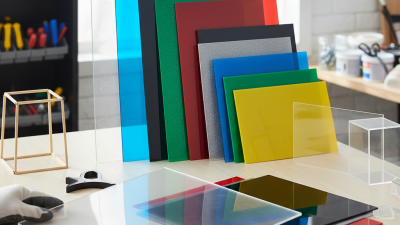
Acrylic sheets come in various sizes and dimensions, making them versatile for numerous applications. Common dimensions include 48"x96", 36"x72", and 24"x48". Depending on the manufacturer, thickness can vary from about 1/8 inch to several inches. Larger sheets are often used for signage, displays, and protective barriers.
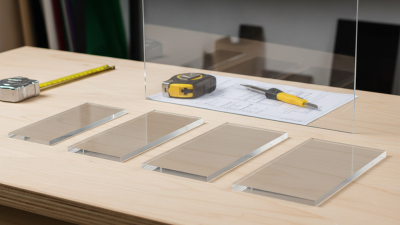
When selecting acrylic sheets, consider your project's needs. Make sure to measure accurately before purchasing. Larger sheets may require special handling and tools for cutting. It's crucial to account for any potential waste when determining your dimensions. Some projects may necessitate customized sizes, which can be more expensive but beneficial for a perfect fit.
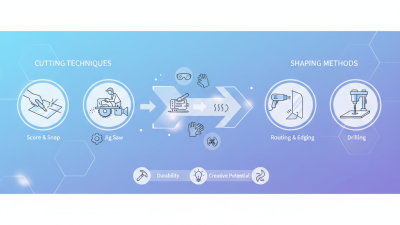
For installation, ensure you have the right tools. A circular saw with a fine-tooth blade is ideal for cutting. It’s essential to avoid over-tightening screws to prevent cracking. If you're unsure about your measurements or cutting skills, seek professional assistance. This not only ensures better results but can also save you from costly mistakes.
Cost Comparison of Large Acrylic Sheets
This chart illustrates the cost of various typical sizes of large acrylic sheets. As the size increases, the cost generally rises, reflecting the amount of material used and the complexity of manufacturing.
Comparative Analysis: Acrylic Sheets vs. Other Materials
When comparing acrylic sheets to other materials, it’s essential to focus on their unique properties and applications. Acrylic sheets are highly favored in various industries due to their transparency, durability, and lightweight nature. According to a report from the Global Acrylic Market, these sheets can be up to ten times stronger than glass, providing added safety in various applications, such as signage and protective barriers.
Moreover, the cost of acrylic sheets is often more appealing than alternatives like polycarbonate or glass. An industry analysis shows that acrylic typically costs between $2 to $6 per square foot, while polycarbonate can range from $3 to $8. Despite this, manufacturers should consider the long-term properties. For instance, acrylic can scratch more easily than polycarbonate, which may result in additional costs for replacement over time. Understanding the trade-offs between acrylic and other materials is crucial for making informed purchasing decisions.
In several applications, the choice of material significantly affects performance. Acrylic provides excellent UV resistance and optical clarity, ideal for outdoor signs. However, it can become brittle in extremely cold conditions, which may limit its use in specific environments. Evaluating these factors allows businesses to choose the most suitable material for their needs while balancing cost and functionality.
Benefits and Drawbacks of Using Large Acrylic Sheets
When considering large acrylic sheets, various benefits and drawbacks come into play. One notable advantage of acrylic is its lightweight nature. It is significantly lighter than glass, making it easier to handle and transport. According to a report from the Plastics Industry Association, acrylic sheets weigh about half as much as glass sheets of the same size. This can lead to reduced shipping costs and simpler installation processes, particularly in expansive projects.
However, there are challenges with acrylic sheets. While they are shatter-resistant, they are more prone to scratching compared to glass. Frequent use or exposure to harsh chemicals can diminish their clarity. Various studies reveal that over time, acrylic sheets can lose their original luster, which may necessitate frequent replacements. Furthermore, acrylic has temperature limitations. Extreme heat can warp the material, making it less suitable for applications in high-temperature environments.
On the cost side, while large acrylic sheets can be more affordable initially than glass, their long-term durability is a valid concern. Regular maintenance and potential replacement can add to overall expenses. Choosing the right type of acrylic for specific applications requires careful consideration of these factors.
What is the Cost and Size of Large Acrylic Sheets? - Benefits and Drawbacks of Using Large Acrylic Sheets
| Size (feet) |
Thickness (inches) |
Cost per Sheet ($) |
Weight (lbs) |
Benefits |
Drawbacks |
| 4 x 8 |
0.25 |
80 |
35 |
Lightweight, good clarity |
Scratches easily |
| 5 x 10 |
0.5 |
150 |
60 |
UV resistant, versatile |
Can warp in extreme heat |
| 6 x 12 |
0.75 |
220 |
90 |
Impact resistant, easy to clean |
More expensive than glass |
| 8 x 10 |
1.0 |
350 |
120 |
Excellent weather resistance |
Limited temperature resistance |