Why Choose Export Slip Sheets for Efficient Shipping Solutions?
In the fast-paced world of shipping, efficiency is crucial. Companies are constantly seeking better methods to optimize their logistics. One promising solution is the use of Export Slip Sheets. These materials are lightweight and reduce shipping costs significantly. As businesses aim to streamline operations, export slip sheets offer an innovative approach.
Manufacturers and suppliers have recognized the advantages of slip sheets. By replacing traditional pallets, they save space and enhance load stability. Many industries have adopted this change. However, challenges can arise in transitioning from pallets to slip sheets. Organizations must consider training staff on new handling techniques. Yet, the potential benefits often outweigh these hurdles.
Moreover, export slip sheets contribute to sustainability efforts. They are often recyclable and can reduce waste. This appeals to eco-conscious companies. Despite the learning curve associated with their use, businesses are encouraged to explore this option. Embracing such modern solutions could lead to a transformative shipping experience.
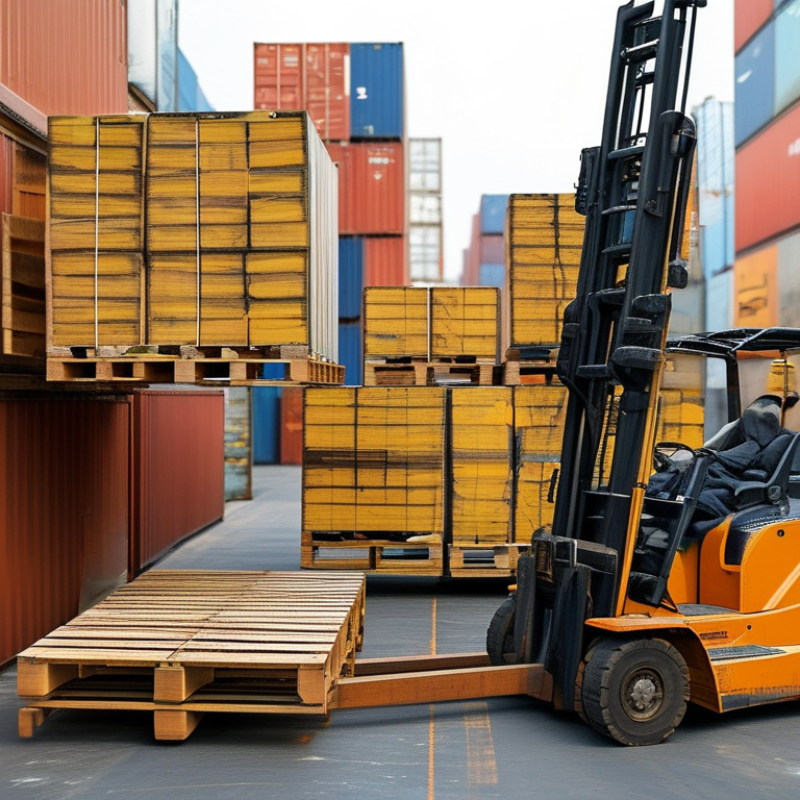
Benefits of Using Export Slip Sheets in Shipping Processes
Export slip sheets are becoming essential in shipping processes. They offer unique benefits for businesses aiming for efficiency. These sheets reduce the need for wooden pallets. This means lighter, more cost-effective shipments. With slip sheets, you can optimize space in containers. This leads to higher shipping capacities.
One notable benefit is their ease of handling. Slip sheets are easy to maneuver with specialized equipment. This can speed up loading and unloading times. Faster operations can lead to reduced labor costs. Businesses can become more agile in their supply chains.
Tips for using slip sheets effectively: ensure that your equipment is compatible. Some forklifts require attachments for slip sheets. Also, train staff on their proper use. This minimizes damage and maximizes efficiency. While slip sheets present many advantages, businesses should assess their specific needs. What works for one operation might not suit another. Experimentation is key to finding the right approach.
Benefits of Using Export Slip Sheets in Shipping Processes
Comparison of Slip Sheets to Traditional Pallets
When it comes to shipping solutions, slip sheets offer a modern alternative to traditional pallets. Slip sheets are thin, flat sheets made from materials like paper or plastic. They can significantly reduce transportation costs and save space in warehouses. In contrast, traditional pallets are bulkier and require more storage room. This comparison reveals notable benefits for businesses looking to optimize their logistics.
One of the main advantages of slip sheets is their lightweight nature. They can carry the same load as a pallet without adding unnecessary weight. This characteristic leads to lower shipping costs and reduced fuel consumption. Moreover, the efficiency of slip sheets enables more product units to fit into shipping containers. A well-organized load maximizes space and minimizes waste.
Tips: Always ensure that the slip sheets are compatible with your products. Consider conducting a trial to assess their effectiveness. Monitor the performance closely, as it can vary based on your specific use case. While slip sheets work best for many, they may not suit every shipping need. It's crucial to evaluate your logistics requirements thoroughly.
Cost-Effectiveness of Export Slip Sheets for Businesses
Export slip sheets are a game changer for efficient shipping solutions. Their lightweight design significantly reduces shipping costs. According to the International Journal of Logistics Management, businesses can save up to 50% on shipping expenses when choosing slip sheets over traditional pallets. This cost-effectiveness empowers businesses, especially small to medium enterprises, to optimize their supply chain.
Using slip sheets also minimizes storage space. A typical slip sheet requires less space than a pallet. This means companies can increase storage efficiency by up to 40%. With real estate costs rising, every square foot counts. More efficient storage leads to reduced overhead costs.
Tips: When implementing slip sheets, ensure your team is trained adequately. Proper training maximizes the benefits of this technology. Regularly assess the performance and limitations of your slip sheet systems to identify any inefficiencies. Adapting to changes can enhance productivity and cost savings.
Why Choose Export Slip Sheets for Efficient Shipping Solutions? - Cost-Effectiveness of Export Slip Sheets for Businesses
| Dimension | Standard Cost (USD) | Cost per Unit (USD) | Weight (lbs) | Shipping Efficiency (%) |
| 48x40 inches | 150 | 0.30 | 5 | 95 |
| 48x36 inches | 140 | 0.28 | 4.5 | 90 |
| 42x42 inches | 130 | 0.25 | 4 | 92 |
| 40x40 inches | 120 | 0.24 | 3.5 | 88 |
| 48x32 inches | 110 | 0.22 | 3 | 85 |
Environmental Impact of Utilizing Slip Sheets in Logistics
Slip sheets present an eco-friendly alternative in logistics. These thin sheets, made of cardboard or plastic, reduce the reliance on traditional wooden pallets. By minimizing material use, slip sheets contribute to lower carbon footprints in shipping operations. Their lightweight design means that shipping costs can reduce. This approach supports greener supply chain practices.
The environmental impact of using slip sheets is significant. They are recyclable and often biodegradable. This characteristic helps in reducing landfill waste drastically. Many companies face challenges in transitioning from pallets to slip sheets. Training staff and adjusting machinery can be hurdles. However, the long-term benefits outweigh the initial adjustments.
Data suggests that slip sheets can save up to 50% of space in shipping containers. This efficiency translates to fewer trips and lower fuel consumption. Companies should consider the overall balance of benefits against the complexities of change. Understanding these factors ensures a well-informed decision. The choice for sustainability is not just a trend; it's a necessary shift in logistics practices.
Best Practices for Implementing Slip Sheets in Shipping Operations
Implementing slip sheets in shipping operations can lead to significant efficiency gains. According to a recent report from the International Journal of Logistics Management, companies that adopted slip sheets experienced a reduction in shipping costs by approximately 30%. This cost-saving potential stems from the sheets' lightweight design, which reduces weight compared to pallets, making them a preferred choice for many businesses.
When integrating slip sheets, training is essential. Employees must learn proper loading techniques to avoid mishaps. A study highlighted that improper handling can lead to damage during transport, negating potential savings. Regular training sessions can help mitigate this risk. Additionally, investing in quality slip sheets ensures durability and reliability in various environments. The right materials can withstand extreme temperatures and moisture, which is critical for many industries.
Monitoring performance is also vital. Businesses should track shipping times and damage rates after implementing slip sheets. Adjustments may be necessary to optimize the process. This approach allows companies to understand their specific needs and continuously improve. While slip sheets offer clear benefits, they require a commitment to best practices for maximum effectiveness.