
Posts

How to Find Reliable JS Concrete Mixer Manufacturers?

Finding dependable Js Concrete Mixer Manufacturers requires more than comparing prices and attractive product images. A mixer may look impressive online, yet fail under daily batching, dusty sites, or irregular maintenance. Reliable sourcing begins with practical evidence: factory experience, production capacity, material quality, testing procedures, and after-sales support.

Michael Turner, an independent concrete equipment consultant, says, “A reliable mixer is proven by service records, not polished photographs.” That advice is easy to remember. Ask manufacturers for operating videos, equipment specifications, customer references, and details about replacement parts. Examine the mixer’s twin-shaft design, mixing arms, gearbox, discharge gate, and steel thickness. Small details matter. A weak discharge seal can create costly delays.

Trust grows through verification. Visit the factory when possible. Watch how workers weld, assemble, and test each unit. Request a clear inspection report before shipment. Confirm whether technicians can support installation and troubleshooting in your region. Also, compare warranty terms carefully. A long warranty means little if parts remain unavailable.

No supplier is perfect. I have learned that even a careful checklist can miss communication problems after the sale. Therefore, evaluate response speed before signing a contract. Send technical questions and observe the answers. Reliable manufacturers explain limitations honestly. They do not promise impossible production rates or effortless maintenance.

This guide explains how to compare Js Concrete Mixer Manufacturers with greater confidence. It focuses on verifiable experience, engineering competence, transparent communication, and long-term operating value. The right choice is not always the cheapest one. It is the one that keeps producing consistent concrete when conditions become difficult.
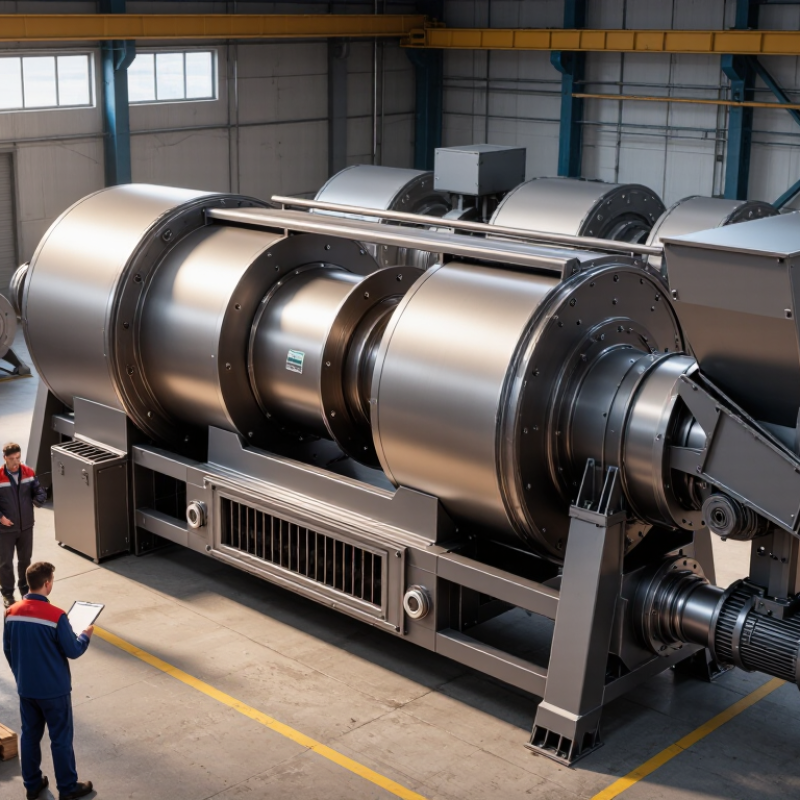
How to Find Reliable JS Concrete Mixer Manufacturers?

Define JS Concrete Mixers and Your Key Purchasing Requirements

How to Find Reliable JS Concrete Mixer Manufacturers?

A JS concrete mixer is a twin-shaft compulsory mixer. It uses two horizontal shafts to blend cement, water, sand, stone, and additives evenly. Unlike a simple drum mixer, it applies stronger mechanical action to the material. This design suits ready-mix concrete, precast components, and demanding construction projects. However, “JS” alone does not prove good performance. Shaft layout, paddle structure, sealing quality, and discharge design need careful inspection.

Your purchasing requirements should begin with production capacity. A 1.5-cubic-meter batch mixer may suit a medium plant, while larger projects need higher hourly output. Check the actual cycle time, not only the advertised volume. Aggregate size also matters. Oversized stone can increase wear and reduce mixing consistency. Ask about moisture control, motor power, liner material, and access for maintenance. Small details matter.

I have seen buyers focus on price and overlook replacement parts. That mistake can stop production for several days. Request drawings, test videos, maintenance instructions, and a clear parts list. A reliable manufacturer should explain shaft sealing, bearing protection, and emergency discharge procedures in plain language. Ask whether the mixer can be tested with your mix design. Laboratory results may not match field conditions. A perfect checklist does not exist. Your team should also inspect weld quality, electrical protection, surface finishing, and response time before signing an order. Clear documentation builds trust, but practical communication matters more during a breakdown.

Check Manufacturer Experience, Certifications, and Production Capacity

How to Find Reliable JS Concrete Mixer Manufacturers?

A reliable concrete mixer manufacturer should show more than attractive product photos. Review its operating history, completed projects, and experience with mixers similar to yours. Ask how many years it has served construction companies and which materials its machines regularly handle. Request recent customer references, service records, and clear production photographs. A busy workshop with organized assembly areas often reveals practical experience.

Certifications also deserve careful checking. Confirm the certificate number, issuing organization, product model, and expiration date. Do not accept a generic logo on a brochure. Ask whether quality systems cover welding, electrical components, drum balance, and final testing. A manufacturer should explain its inspection process in plain language. If answers remain vague, pause. A polished factory tour can still hide weak controls.

Tips: Visit the facility, if possible. Count active assembly lines, inspect spare-parts storage, and ask for a sample inspection report. Compare stated output with actual delivery schedules, worker numbers, and installed equipment. Production capacity is not only a large factory; it includes stable suppliers, trained technicians, testing space, and after-sales support. I have found that promised capacity can look impressive on paper but fail during peak orders. Leave room for that possibility, and request a realistic production timeline with written milestones.

How to Find Reliable JS Concrete Mixer Manufacturers? - Check Manufacturer Experience, Certifications, and Production Capacity

Evaluation Dimension Recommended Evidence Practical Benchmark How to Verify Risk Signal
Industry Experience Documented production history, project references, product development records, and service history for concrete mixers. At least 5 years of relevant manufacturing experience is a useful initial screening point. Request dated factory records, equipment serial numbers, customer references, and photos or videos of completed projects. Only general trading experience or unverifiable project claims.
Quality Management A valid ISO 9001 certificate covering the applicable manufacturing scope, supported by documented inspection procedures. Certificate should be current, issued by a recognized certification body, and include the relevant production activities. Check the certificate number, validity period, scope, issuing body, and certification status directly with the issuer when possible. Expired certificate, unclear scope, or certificate issued only for trading activities.
Product Compliance Applicable conformity documents, technical files, risk assessments, and test reports for the destination market. Compliance should match the machine configuration and the regulations of the importing country or region. Confirm model numbers, electrical specifications, safety functions, and test reports against the quotation and nameplate. Generic certificates that do not identify the actual mixer model.
Production Capacity Production schedule, assembly area, welding stations, machining resources, testing equipment, and recent delivery records. The factory should demonstrate capacity that matches the requested quantity and delivery deadline without excessive outsourcing. Conduct a live or recorded factory audit and compare claimed output with purchase orders, workforce, equipment, and shipping records. Large capacity claims but limited equipment, workspace, or production documentation.
Mixer Performance Rated batch volume, mixing cycle time, drum or pan speed, power rating, discharge method, and applicable concrete type. Performance data should be stated under defined test conditions and remain consistent with the motor and transmission specifications. Request factory test results, operating videos, technical drawings, and a written performance guarantee. Capacity is advertised without test conditions or technical specifications.
Material and Component Control Material certificates, component inspection records, welding procedures, coating specifications, and traceability documents. Critical components should have identifiable specifications, inspection criteria, and replacement information. Review bills of materials, incoming inspection records, weld quality controls, and corrosion-protection procedures. No material grade, component specification, or traceability information.
Factory Testing Pre-shipment inspection checklist covering structure, drive system, electrical controls, safety guards, leakage, noise, and trial operation. Every completed mixer should undergo documented inspection before shipment. Require signed inspection reports, test videos, photographs, and acceptance criteria agreed before production. Shipment is promised without a formal inspection or commissioning process.
After-Sales Support Installation manuals, spare-parts lists, troubleshooting guides, operator training, and warranty terms. Warranty coverage, response time, spare-parts availability, and remote technical support should be defined in writing. Review the service agreement and ask for the standard spare-parts package and escalation procedure. Vague warranty language or no documented parts and service plan.
Delivery Reliability Manufacturing schedule, packaging plan, loading photographs, export documents, and agreed delivery milestones. The supplier should provide a written timeline from order confirmation through testing, packing, and shipment. Use milestone payments linked to design approval, production completion, inspection, and shipping documents. Unclear lead time, frequent specification changes, or pressure for full advance payment.
Commercial Transparency Detailed quotation including model, capacity, motor, electrical system, included accessories, packaging, warranty, and trade terms. All major technical and commercial assumptions should be documented before the purchase order is issued. Compare the quotation, drawings, pro forma invoice, and final contract line by line. Low initial price followed by unexplained charges or specification substitutions.

Compare Mixer Design, Technical Specifications, and Customization Options

How to Find Reliable JS Concrete Mixer Manufacturers?

A reliable JS concrete mixer manufacturer should explain design choices, not only quote capacity. Compare twin-shaft geometry, paddle arrangement, shaft sealing, and discharge gate construction. These details affect mixing uniformity and maintenance time. Ask for the effective batch volume, not just the advertised drum volume. Check motor power, rated output, cycle time, aggregate size, and moisture range. A 3,000-liter mixer may produce less concrete per cycle than expected. Request performance data from similar projects. Photos are useful, but test records are stronger evidence.

Tips: Create one comparison sheet. Record shaft speed, liner thickness, gearbox type, electrical voltage, and spare-part availability. Ask whether wear liners use replaceable sections. Inspect welding around the frame and hopper. Small cracks matter. Also request drawings, installation guidance, and a clear warranty. I once focused too heavily on motor power; the discharge design caused the greater delay.

Customization should support your actual site conditions. Options may include corrosion-resistant liners, different inlet heights, dust covers, weighing interfaces, automatic lubrication, and customized control panels. Confirm whether these changes are engineered or simply added later. Discuss local climate, foundation limits, aggregate shape, and cleaning access before finalizing the design. A trustworthy manufacturer should explain compromises openly. Some custom features increase cost without improving output. That is easy to miss. Ask for a factory inspection, a wet-mix trial, and references from comparable applications. Reliability is demonstrated through consistent details, not confident promises.

How to Find Reliable JS Concrete Mixer Manufacturers?

Compare mixer design, technical specifications, and customization options against typical JS twin-shaft mixer performance ranges.

The chart uses representative engineering ranges commonly published for JS-series twin-shaft mixers. When evaluating a manufacturer, verify whether the stated output is theoretical or actual, check motor configuration and maximum aggregate size, and request drawings for customized discharge gates, liners, weighing systems, control panels, and plant integration.

Evaluate Quality Control, Delivery Terms, and After-Sales Service

Reliable JS concrete mixer manufacturers reveal themselves through factory evidence, not polished promises. Ask for batch records, motor inspection logs, and weld quality reports. A serious supplier should explain drum thickness, gearbox tolerances, and load testing clearly. Request a live production video if visiting is impossible. Look for calibrated scales, protected electrical cabinets, and clean assembly areas. Small details matter.

Quality control should continue after assembly. Ask whether every JS mixer receives no-load and full-load trials. Request dated photos showing the serial number and test results. One supplier I assessed provided excellent steel certificates but weak paint preparation. That gap mattered after several months outdoors. Suppliers can miss details. Their response to criticism is more revealing than perfect paperwork. Check whether replacement parts include dimensions, materials, and availability estimates.

Delivery terms deserve equal attention. Confirm production time, packing method, shipping documents, and responsibility for transit damage. A wooden crate with blocked wheels and sealed control parts can prevent expensive surprises. Clarify what happens when delivery slips. After-sales service should include installation guidance, troubleshooting videos, and a named technical contact. Ask for response times, warranty exclusions, and spare-part pricing before payment. Test the support channel with a practical question. Slow replies often predict difficult repairs. I would also request a maintenance schedule, because many failures come from skipped lubrication, not poor manufacturing.

Verify Supplier Reliability Through Audits, Samples, and Contracts

How to Find Reliable JS Concrete Mixer Manufacturers?

A reliable supplier should welcome an audit before you discuss large quantities. Visit the production floor, not only the showroom. Check welding quality, drum thickness, paint adhesion, and component storage. Ask to review batch records, inspection reports, and calibration dates for testing equipment. Missing records do not always prove poor quality. They do signal a supplier control problem.

Request a production sample that matches your proposed order. Test mixing time, discharge consistency, noise, and motor temperature under realistic loads. Measure the drum rotation speed with a handheld tachometer. Inspect the frame after repeated cycles. A polished demonstration unit can hide weak details. I have seen suppliers present excellent samples while using cheaper parts in later batches. Keep photographs, serial numbers, and test results for comparison.

Put every important promise into the contract. Define material grades, motor capacity, dimensions, tolerances, delivery milestones, spare parts, and packaging requirements. Include a pre-shipment inspection clause and a clear remedy for rejected units. Specify who pays for rework, replacement, or additional testing. Vague wording creates expensive arguments. A dependable manufacturer will discuss these points patiently, even when they slow negotiations. Still, do not treat cooperation as proof. Verify performance independently, because friendly communication can mask inconsistent production.