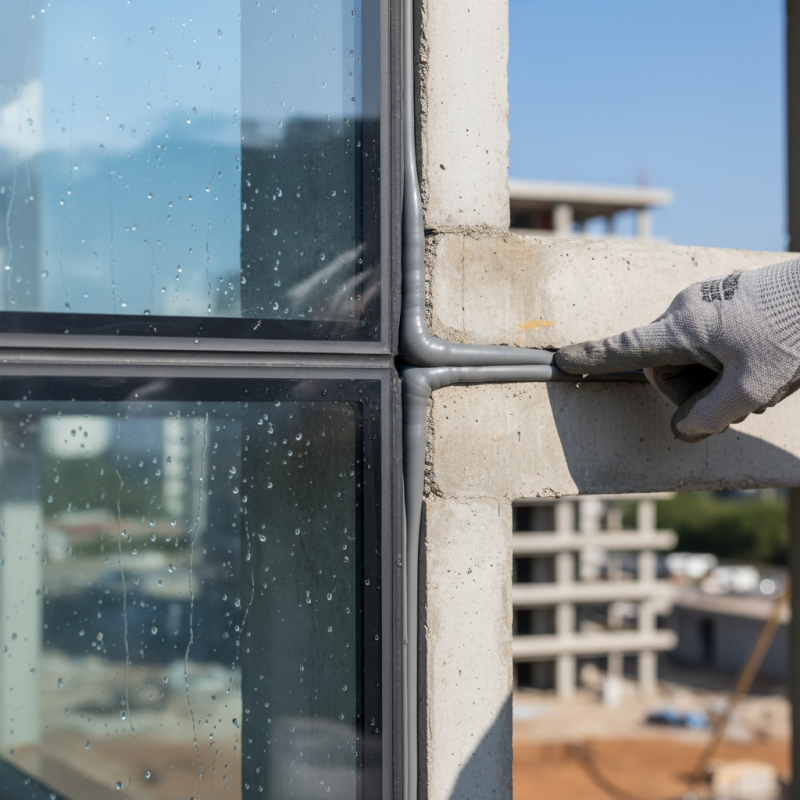
What is Structural Sealant and How is it Used?
Structural Sealants play a crucial role in modern construction. These specialized materials provide both adhesion and environmental protection. They are essential for sealing joints and gaps in various structures.
In essence, structural sealants ensure the integrity of buildings. They bond elements like glass, metal, and concrete. Without these sealants, structures would face potential failure from water intrusion or air leakage.
However, selecting the right sealant can be challenging. It requires knowledge of materials and environmental conditions. Improper application or choice could lead to costly repairs. Thus, understanding structural sealants is key for any construction professional.
Types of Structural Sealants and Their Properties
Structural sealants are essential in modern construction and engineering. These materials provide adhesion, flexibility, and protection against environmental factors. The most common types include silicone, polyurethane, and polysulfide sealants. Each type offers unique properties suited to different applications. For instance, silicone sealants are highly durable and offer excellent weather resistance. According to a report by the American Institute of Architects, the demand for these sealants is projected to grow by 5% annually through 2025.
Polyurethane sealants are noted for their strength and elasticity. They excel in applications where movement is expected, such as in facades or joints. Industry data highlights that this type can expand and contract effectively without losing adhesion. On the other hand, polysulfide sealants provide superior chemical resistance, making them ideal for environments exposed to harsh chemicals. However, their application can be more challenging due to longer curing times.
The choice of sealant impacts long-term performance significantly. A miscalculation in sealant type could lead to structural failures or costly repairs. Understanding the specific needs of a project is vital. Professionals must weigh factors like exposure to weather conditions and movement tolerance. Sealants not only bond materials but also protect structures from water infiltration. In summary, selecting the right structural sealant is not just a technical choice; it's a crucial decision in ensuring structural integrity over time.
Common Applications of Structural Sealants in Construction
Structural sealants play a vital role in modern construction, providing flexibility and durability. Their common applications include glazing systems, curtain walls, and weatherproofing. According to a report by Smithers, the global market for structural sealants is expected to reach over $5 billion by 2025, reflecting their increasing importance in building projects.
In glazing systems, structural sealants are crucial. They bond glass to frames while allowing for thermal expansion. This flexibility prevents cracking and leaking. A study by the American Institute of Architects highlights that 30% of moisture-related failures in buildings are due to inadequate sealing. Proper application reduces risks and enhances safety.
**Tip:** Always consult with a structural engineer when selecting a sealant. Each project’s requirements can vary widely, influencing the sealant choice.
Another application is in curtain walls. These systems face heavy wind loads and require robust sealants. Using the right type ensures structural integrity. A report by the National Institute of Standards and Technology indicates that a surprising 40% of building failures are related to sealant failures. Over time, sealant performance can degrade, leading to potential hazards.
**Tip:** Regular inspections can mitigate issues. Schedule checks every six months to ensure sealants remain effective.
What is Structural Sealant and How is it Used? - Common Applications of Structural Sealants in Construction
| Application | Description | Benefits | Materials Used |
| Glazing | Used to bond glass to frames in windows and facades. | Provides weather resistance and structural support. | Silicone, polyurethane. |
| Curtain Walls | Acts as a non-structural outer covering. | Enhances aesthetics while ensuring weather tightness. | Silicone sealants, polyurethanes. |
| Parking Structures | Used to seal joints in concrete parking decks. | Prevents water infiltration and protects reinforcement. | Polyurethane, epoxy sealants. |
| Bridges | Seals joints between bridge decks and sections. | Enhances durability and extends service life. | Various sealants (e.g., polysulfide). |
| Roofing | Seals seams and penetrations in roofing systems. | Prevents leaks and enhances weather resistance. | Silicone, Acrylic Sealants. |
Benefits of Using Structural Sealants in Building Projects
Structural sealants play a crucial role in building construction. They provide reliable adhesion and protect structures from water and air infiltration. According to a recent industry report, 72% of construction projects now incorporate structural sealants due to their effectiveness. These materials are designed to withstand the elements and offer long-term durability across various applications, such as glazing, curtain walls, and roofing systems.
One key benefit of using structural sealants is their ability to enhance energy efficiency. Buildings sealed with high-quality materials can reduce energy consumption by up to 30%. This not only lowers utility costs but also contributes to sustainability. Additionally, these sealants help mitigate the risk of mold and mildew formation, ensuring healthier indoor environments. However, not all sealants perform equally, and careful selection is essential.
**Tips:** Always assess the environmental conditions where sealants will be applied. Temperature, humidity, and UV exposure can affect their performance. Test adhesion on a small surface before full application to ensure compatibility. Regular maintenance and inspection of sealant joints are vital to prolong their lifespan.
Application Techniques for Effective Use of Structural Sealants
When using structural sealants, application techniques are critical for achieving optimal results. Proper surface preparation is essential. Ensure the surfaces are clean and free from contaminants. This may involve thorough cleaning with solvents. Sometimes, abrasives may be necessary to enhance adhesion. Remember, a well-prepared surface is half the battle won.
The method of application also matters. Using a caulking gun or a similar tool can help in achieving even bead placement. Pay attention to the consistency of the sealant application. Avoid overusing the sealant, as excessive amounts can lead to issues like shrinking or cracking over time. Using tools like spatulas can smooth out the sealant for a uniform finish.
Curing time varies based on environmental conditions. Low temperatures and high humidity may slow down curing. This can be frustrating, especially if timelines are tight. Understand the manufacturer's guidelines, as they provide valuable insights on curing practices. Timing your project around these factors can significantly influence long-term performance. Reflecting on these techniques can lead to better outcomes in future projects.
Structural Sealant Applications
Safety Considerations When Working with Structural Sealants
When working with structural sealants, safety should always be a top priority. These materials are often used in construction and repair projects, but they can pose risks to health if not handled properly. Many sealants contain chemicals that can cause skin irritation or respiratory issues. Proper ventilation is crucial when applying these substances indoors.
Wearing personal protective equipment (PPE) is essential. Gloves can protect your hands from irritation. Masks are necessary to prevent inhalation of harmful fumes. Eye protection should not be overlooked, as splashes or fumes can cause serious eye injuries. While many people might skip this step, it’s vital for your safety and health.
Always read the safety data sheet (SDS) for the sealant you are using. This document contains important information about hazards and safe handling practices. It’s easy to assume that all sealants are similar, but they can vary significantly in chemical composition. Understanding specific risks can help prevent accidents and injuries that might seem minor but could lead to major health issues in the long run.