Posts
Top 10 Acrylic Plastic Manufacturers Worldwide?
The global acrylic plastic industry is entering a more demanding phase. Buyers now expect clarity, impact resistance, stable supply, and measurable sustainability. Acrylic plastic appears in illuminated signs, aquarium panels, medical equipment, vehicle components, and architectural glazing. It is practical. It is not automatically the best choice.
Industry figures show meaningful growth. Grand View Research estimates that the global acrylic sheets market reached approximately USD 4.4 billion in 2023. Its report projects continued expansion through 2030. Fortune Business Insights also identifies rising demand in construction, automotive, and display applications. However, market reports use different definitions. Some measure sheets only, while others include resins, films, and molded products. Comparisons therefore require caution.
This guide examines ten leading acrylic plastic manufacturers worldwide. It considers production scale, material quality, processing technology, certifications, regional reach, and application expertise. It also looks beyond polished brochures. A transparent sheet can still hide inconsistent thickness, weak technical support, or uncertain recycled content. Materials-selection expert Michael F. Ashby offers a useful reminder: “The best material is the one that meets the design requirements at minimum cost.” That principle fits acrylic plastic procurement well. Lowest price alone can create higher cutting waste, replacement costs, and installation problems. The ranking is not absolute. Supplier strength changes by region, grade, and project size. Readers should verify current specifications, plant capabilities, and compliance documents before making a final decision.
PMMA Definition and Key Metrics: 1.17–1.20 g/cm³ Density, Up to 92% Light
PMMA, commonly called acrylic plastic, is a transparent thermoplastic valued for clarity, weather resistance, and practical weight. Its typical density ranges from 1.17 to 1.20 g/cm³. This makes it lighter than glass, yet rigid enough for signs, covers, displays, and protective panels. Clear grades can transmit up to 92% of visible light, depending on thickness, surface finish, and testing conditions.
In fabrication work, I have found that optical clarity can hide important differences. A sheet may look flawless under showroom lighting, then reveal haze, edge stress, or fine scratches during cutting. Density should be checked with technical data, not assumed from appearance. Light transmission also needs a stated thickness and test method. Without those details, comparisons between manufacturers become weak. PMMA offers useful impact resistance, but it is not unbreakable. That distinction deserves more attention.
Tips: Request a recent datasheet, sample, and independent test report. Check density, light transmission, thickness tolerance, UV performance, and surface hardness. Ask how samples were conditioned before testing. Small details matter. Also, review the intended application carefully; a clear panel for indoor display may need very different performance from an outdoor architectural sheet. These checks cannot guarantee perfection, but they reduce costly surprises.
Global Acrylic Supply: Resin Types, Production Regions, and ISO 7823 Grades
Acrylic supply depends on resin chemistry, sheet technology, and regional production capacity. Most manufacturers use polymethyl methacrylate, commonly called PMMA, for transparent panels, lighting covers, displays, and protective barriers. Resin types include general-purpose grades, impact-modified formulations, UV-stabilized grades, and colored compounds. Each choice affects clarity, weather resistance, hardness, and processing behavior.
Asia remains a major production region, supported by large chemical networks and strong conversion capacity. Europe is known for controlled specifications, specialty formulations, and demanding industrial applications. North America supplies architectural, medical, and engineered acrylic products, while other regions continue expanding local capacity. Regional availability can change quickly. Shipping distance, monomer supply, energy costs, and sheet thickness all influence pricing.
ISO 7823 provides a useful reference for acrylic sheets, especially cast and extruded products. Buyers should check the applicable part, dimensional tolerances, optical performance, and mechanical requirements. A certificate alone is not enough. Ask for batch traceability, test methods, thickness records, and weathering data. In practical inspections, small surface marks or edge stress may appear after cutting, even when the sheet meets its stated grade. That detail is easy to overlook. Manufacturers should also clarify whether the material is cast or extruded, because machining response, thickness consistency, and internal stress can differ. Supplier rankings need careful review, since production volume does not always indicate better application performance.
Global Acrylic Supply: Resin Forms, Production Regions, and ISO 7823 Scope
PMMA, commonly known as acrylic, is supplied mainly as cast sheet, extruded sheet, and injection-molding resin. The chart compares representative technical values for clear PMMA forms: density, tensile strength, and light transmission. These are typical reference values rather than company-specific or market-share data.
East Asia, Europe, and North America are established PMMA production and conversion regions. ISO 7823-1 covers cast PMMA sheets, while ISO 7823-2 covers extruded PMMA sheets. ISO 7823 defines sheet requirements and classifications; it is not a ranking of manufacturers or a universal resin-grade naming system.
Manufacturer Ranking Criteria: Capacity, Revenue, Quality, Certifications, and ESG
A credible Top 10 acrylic plastic manufacturers list should begin with measurable evidence, not market popularity. Production capacity shows whether a supplier can support stable global demand. However, large capacity does not guarantee consistent sheet clarity, thickness, or impact resistance. I would verify plant output, equipment age, and delivery records before assigning a score. Capacity deserves weight, but not blind trust.
Revenue provides useful scale information, especially when audited financial reports are available. Still, revenue can mislead because it may include unrelated products or temporary price increases. Quality testing should examine optical clarity, color stability, surface hardness, and batch consistency. Independent laboratory results are more reliable than promotional claims. Certifications also matter. Relevant ISO systems, environmental approvals, and documented quality controls can reveal how seriously a manufacturer manages risk.
ESG performance should influence the ranking, rather than decorate it. I would review energy consumption, recycled content, waste recovery, water use, and supplier audits. Clear targets are helpful. Verified progress is better. A manufacturer with excellent sales but weak environmental reporting should lose points. Social indicators, including worker safety and training, deserve practical attention too. No ranking is perfect. Public data may be incomplete, and regional reporting standards differ. I would publish the scoring method, retain evidence, and revisit the results annually. That approach feels less impressive, but it is more honest.
Top 10 Acrylic Plastic Manufacturers: Products, Facilities, and Global Reach
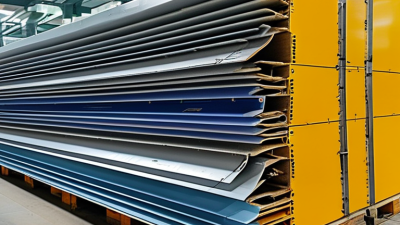
The top ten acrylic plastic manufacturers are distinguished by product depth, factory capability, and dependable international service. Their portfolios commonly include cast and extruded sheets, clear rods, tubes, mirrors, signage panels, and custom machined parts. Some also produce impact-modified grades for transport, lighting, and architectural applications. Clear acrylic should remain free from bubbles, stress marks, and uneven thickness. These details often reveal process control.
Facilities vary widely. Leading producers operate casting lines, extrusion systems, polishing units, and computer-controlled cutting centers. Several maintain in-house laboratories for haze, light transmission, impact strength, and weathering tests. Modern plants may also use automated packing and moisture-resistant storage. It matters.
Global reach depends on more than factory size. Reliable manufacturers maintain regional warehouses, technical sales teams, and documented export procedures across Asia, Europe, North America, and the Middle East. Shorter delivery routes can reduce scratches and packaging damage. However, a broad network does not always guarantee better service. I have seen smaller suppliers respond faster when specifications change.
A careful comparison should examine minimum order quantities, color consistency, tolerance data, certifications, and after-sales support. Product samples deserve practical testing under real lighting and temperature conditions. Marketing claims can sound impressive, yet independent test reports provide stronger evidence. Rankings also shift by application. A supplier excellent for retail displays may be less suitable for precision covers or outdoor glazing. This list should be reviewed periodically, because capacity, energy costs, and regional logistics keep changing.
Industry Benchmarking: ASTM D788, UV Resistance, Recycling, and Applications
When comparing the top acrylic plastic manufacturers worldwide, buyers should examine more than price and surface clarity. ASTM D788 provides a useful framework for classifying PMMA molding and extrusion materials by grade and performance. It does not, by itself, prove outdoor durability. A reliable supplier should provide test data, lot traceability, and processing guidance for each grade.
UV resistance matters in roofing panels, outdoor signs, protective covers, and lighting components. Look for evidence from accelerated weathering tests, including color change, haze, and strength retention. A sheet may appear clear after months outside but still lose impact performance. That difference is easy to miss. Production experience also matters because thickness, additives, polishing, and forming temperatures influence long-term behavior.
Recycling performance deserves equal attention. PMMA can be mechanically recycled, although contamination and mixed colors often reduce the value of recovered material. Some advanced processes recover monomer for new acrylic production, but availability and energy use vary by facility. Manufacturers should explain recycled content, collection routes, and quality controls instead of using vague sustainability claims. Applications range from aircraft interiors and machine guards to aquariums, lenses, and retail displays. The correct grade depends on load, weather exposure, transparency, fire requirements, and fabrication method. No material performs perfectly. Even premium acrylic can scratch, craze, or distort when poorly installed.
| Rank | Anonymous Manufacturer Profile | Primary Acrylic Product Scope | ASTM D788 Relevance | Typical UV and Weathering Profile | Recycling Characteristics | Common Application Areas | Recommended Buyer Verification |
|---|---|---|---|---|---|---|---|
| 1 | Global Integrated PMMA Producer | Cast sheet Extruded sheet Molding resin | Offers PMMA molding and extrusion grades that can be classified using ASTM D788; grade-specific flow, impact, and optical requirements must be checked. | High for outdoor-grade PMMA; clear PMMA generally provides strong resistance to sunlight compared with many transparent thermoplastics. | Thermoplastic material that can be mechanically reprocessed when clean and sorted. Chemical depolymerization may recover MMA feedstock, but availability depends on regional infrastructure. | Architecture, automotive glazing, lighting covers, signage, sanitary products, and transparent machine guards. | Request ASTM D788 classification, UV-weathering results, color-retention data, and recycled-content documentation. |
| 2 | Large-Scale Optical Acrylic Specialist | Optical sheet Light guides Diffuser grades | ASTM D788 may support resin classification, while optical applications also require haze, total transmittance, refractive index, and dimensional-control data. | High when UV-stabilized grades and suitable surface protection are specified; optical clarity can be affected by surface damage and contamination. | Optical scrap is recyclable in principle, but coatings, laminates, inks, and contamination can reduce recycling yield. | LED systems, displays, signage, solar-lighting components, optical panels, and instrument covers. | Verify haze, transmittance, yellowness index, UV exposure method, and optical performance after weathering. |
| 3 | Architectural and Cast-Sheet Manufacturer | Cast acrylic sheet Colored sheet Textured sheet | ASTM D788 is more directly applicable to PMMA molding and extrusion materials; cast-sheet specifications should additionally cover thickness tolerance and surface quality. | High for properly formulated exterior grades; pigmentation and protective coatings influence long-term color stability. | Offcuts may be mechanically recycled into suitable products. Separation is easier when the sheet is uncoated and free of adhesives or mixed polymers. | Wall cladding, skylights, partitions, retail displays, furniture, aquariums, and interior design. | Check thickness tolerance, impact requirements, outdoor warranty conditions, and compliance with local building codes. |
| 4 | Extruded Acrylic Sheet and Profile Producer | Extruded sheet Profiles Continuous products | ASTM D788-relevant resin data should be combined with extrusion-specific requirements such as melt flow, dimensional stability, and weld-line performance. | High to medium, depending on UV stabilizer package, pigment system, thickness, and outdoor exposure conditions. | Clean production scrap is commonly suitable for regrinding and re-extrusion. Mixed or degraded scrap may require downcycling or specialized recycling. | Protective covers, glazing, retail fixtures, transportation interiors, edge trims, and industrial panels. | Confirm extrusion direction, thermal expansion data, impact strength, surface hardness, and UV-stabilizer details. |
| 5 | Automotive and Transportation Acrylic Supplier | Impact-modified PMMA Optical components Coated parts | ASTM D788 can help identify the PMMA material family, but transportation parts require additional validation for impact, heat aging, chemical resistance, and flammability. | High for exterior optical and trim grades when supported by UV stabilizers or hard coatings. | Manufacturing scrap is generally more recyclable than assembled parts containing coatings, adhesives, metal inserts, or other polymers. | Lighting lenses, interior trim, instrument components, glazing elements, and mobility-equipment panels. | Request heat-cycle data, chemical-resistance results, impact testing, coating adhesion, and sector-specific compliance records. |
| 6 | Medical and Laboratory Acrylic Manufacturer | Medical-grade PMMA Laboratory sheet Transparent molded parts | ASTM D788 may describe the base PMMA material, but medical and laboratory applications require additional biocompatibility, cleanliness, sterilization, and traceability controls. | Medium to high; UV stability is grade-specific and may be less important than sterilization resistance and chemical compatibility. | Clean, segregated production scrap can be recycled. Used medical products may be restricted because of contamination, regulatory controls, or biological hazards. | Laboratory equipment, diagnostic housings, fluid-management components, medical displays, and protective enclosures. | Verify regulatory status, extractables data, sterilization compatibility, lot traceability, and documented quality systems. |
| 7 | Lighting and Illumination Acrylic Specialist | Diffuser sheet Light guides Prismatic panels | ASTM D788 may apply to the PMMA resin classification; photometric properties and thermal performance are essential for lighting products. | High for stabilized PMMA, although elevated LED temperatures and outdoor exposure can accelerate aging if the design is not properly rated. | Uncoated acrylic diffuser scrap can be sorted and recycled. Laminated, printed, or heavily contaminated parts are more difficult to recover. | Commercial lighting, street lighting, architectural luminaires, signage, displays, and transportation lighting. | Check luminous transmittance, haze, color shift, thermal aging, flame performance, and UV-weathering test conditions. |
| 8 | Industrial and Engineering PMMA Compounder | Impact-modified grades Heat-resistant grades Filled compounds | ASTM D788 can support classification of unfilled PMMA materials; modified or filled grades require complete formulation-specific mechanical and thermal data. | Medium to high; additives, impact modifiers, fillers, and pigments can change UV durability and color retention. | Recycling feasibility varies significantly with fillers, modifiers, pigments, and contamination. Closed-loop recycling is most practical for controlled production scrap. | Machine guards, electrical housings, industrial covers, safety equipment, and engineered components. | Request full datasheets covering tensile strength, impact strength, heat-deflection temperature, flammability, and weathering performance. |
| 9 | Signage, Display, and Fabrication-Focused Producer | Colored sheet Fluorescent sheet Fabrication grades | ASTM D788 is relevant to the base PMMA resin but does not replace testing for fabrication behavior, solvent cementing, thermoforming, and color durability. | High to medium; outdoor color performance depends strongly on pigment chemistry, UV absorbers, surface finish, and exposure environment. | Clean sheet offcuts are comparatively straightforward to collect and reprocess. Printed, painted, adhesive-backed, or composite signage requires additional separation. | Outdoor signs, point-of-sale displays, exhibition systems, retail interiors, branding panels, and illuminated lettering. | Verify color-change limits, pigment lightfastness, thermoforming range, cementing compatibility, and surface-protection requirements. |
| 10 | Regional Custom Acrylic Converter | Cut-to-size sheet Fabricated assemblies Custom components | ASTM D788 may appear in the upstream resin documentation; the converter should also provide the actual sheet or component specification used in production. | Variable; performance depends on the selected sheet grade, fabrication process, coatings, joints, and installation environment. | Recycling is most practical when fabrication offcuts are separated by polymer type and kept free from adhesives, coatings, metals, and other plastics. | Custom enclosures, retail fixtures, protective screens, furniture, prototypes, aquariums, and architectural components. | Confirm material identity, thickness, batch traceability, fabrication tolerances, edge quality, and end-of-life handling options. |

Related Posts
-
Ultimate Tips for Sourcing Acrylic Plastic Products?
-
2026 Best Uses for Thick Plastic Sheets in Home and Industry?
-
Top Plastic Parts Innovations in Modern Manufacturing?
-
Top 10 Applications of Acrylic Fabrication You Should Know?
-
China Best Acrylic Sheets for Laser Cutting Where to Buy?
-
Top 10 Plastic Sheet Cut to Size Options for Global Buyers?