
Posts
What Are Wedge Anchors and How Do They Work?
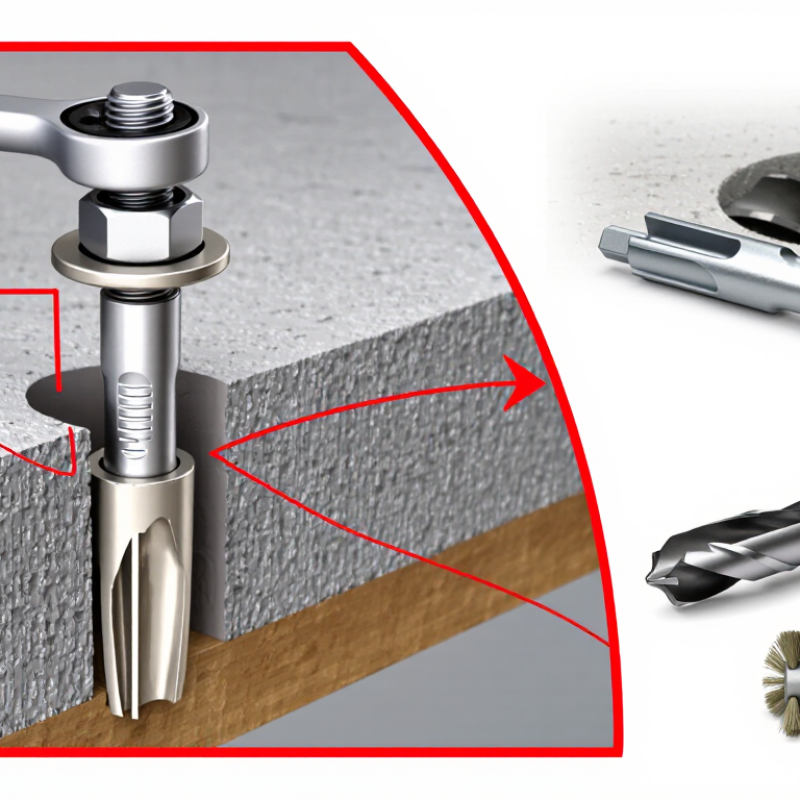
Wedge Anchors are mechanical fasteners designed to secure materials to solid concrete. They commonly support handrails, steel plates, machinery, shelving, and structural frames. Their design looks simple, yet installation accuracy controls their real performance. A typical anchor includes a threaded stud, nut, washer, and expansion clip. The clip sits near the embedded end. A drilled hole receives the anchor. Tightening the nut pulls the stud upward. This action forces the clip outward against the concrete wall. Friction and bearing pressure then help resist tension and shear loads. That is the basic mechanism. Field conditions complicate it.
Reliable selection starts with the base material, load direction, anchor diameter, embedment depth, and required edge distance. Sound, cured concrete usually provides the intended support. Cracked or weakened concrete may require an approved alternative. Hole diameter matters. So does cleaning. Dust left inside the hole can reduce contact and hide installation problems. A carbide bit, brush, and vacuum often form a practical cleaning sequence. Installers should check the specified torque with a calibrated wrench. Over-tightening can damage threads or crush concrete. Under-tightening may prevent full expansion. Small details matter.
Manufacturers publish load tables, spacing limits, corrosion ratings, and inspection guidance. These documents should control the final choice, not guesswork. Stainless steel may suit damp locations, while zinc-plated anchors often fit protected indoor environments. Actual exposure can change that decision. Wedge Anchors are not universal solutions. They depend on concrete quality and careful workmanship. Even experienced crews should pause when the site differs from the drawings. That pause is valuable. The following guide explains their parts, installation sequence, capacity limits, and common mistakes.
Definition and Basic Purpose of Wedge Anchors
What Are Wedge Anchors and How Do They Work?
A wedge anchor is a mechanical fastener designed for solid concrete and some masonry applications. It usually contains a threaded steel rod, an expansion clip, a nut, and a washer. Its basic purpose is to secure fixtures, frames, railings, and equipment to a hard base. The anchor transfers pulling and shear forces into the surrounding concrete. Simple, but not foolproof.
During installation, an installer drills a hole matching the specified diameter and depth. Dust must be removed before the anchor enters the hole. The anchor is then tapped into place, leaving enough thread for the washer and nut. As the nut tightens, the rod pulls the expansion clip upward. The clip presses against the hole walls, creating holding force through friction and mechanical interlock. Small errors matter. A shallow hole, damaged thread, or loose torque can weaken the connection.
Wedge anchors work best in sound, dense concrete with enough edge distance. Cracked concrete, thin slabs, hollow block, and weak substrates may require different fasteners. Engineers and experienced installers check the expected load, anchor spacing, embedment depth, and concrete condition. Project specifications and applicable building requirements should guide selection. On site, checking the hole with a depth gauge seems minor, yet it can prevent a serious installation mistake. Even a clean-looking surface may hide cracks.
Key Components and Materials of a Wedge Anchor
A wedge anchor is a mechanical fastener for concrete and masonry. Its key parts include a threaded stud, nut, washer, expansion clip, and tapered cone. When the nut tightens, the stud pulls the cone into the clip. The clip presses against the hole wall, creating friction and mechanical interlock. The washer spreads pressure beneath the fixture.
Material selection affects strength, corrosion resistance, and service life. Carbon steel provides high tensile capacity for dry indoor applications. Zinc-plated steel offers basic corrosion protection, but damaged plating can expose the substrate. Stainless steel, commonly selected for damp or coastal environments, resists corrosion more effectively. ASTM F1554 lists minimum yield strengths of 36, 55, and 105 ksi for its three anchor-rod grades. These figures help engineers compare steel performance, not complete anchor capacity.
Designers also evaluate the concrete. ACI 318-19 Chapter 17 checks steel failure, concrete breakout, pullout, and pryout. ICC-ES AC193 addresses mechanical anchors in cracked and uncracked concrete. Capacity depends on embedment depth, concrete strength, edge distance, spacing, and installation torque. A larger diameter does not automatically mean a safer connection. That assumption is common.
Field conditions can be less predictable. Dust left in the drilled hole may reduce expansion performance. An impact tool can also over-tighten the nut. The best practice is simple: verify the approved installation procedure, clean the hole, and record torque when required. A “heavy-duty” label alone proves very little.
How Wedge Anchors Create a Secure Hold
What Are Wedge Anchors and How Do They Work?
Wedge anchors create a secure hold by expanding inside hardened concrete. The anchor has a threaded stud, nut, washer, and expansion clip near its embedded end. After drilling a correctly sized hole, the installer inserts the anchor and tightens the nut. This action pulls the stud upward. The clip then moves against the wedge and presses firmly into the concrete walls. The resulting friction and mechanical interlock resist tension and shear forces. It feels simple, but the details matter.
A clean hole is essential. Dust can reduce contact between the clip and concrete, weakening the connection. The hole should meet the required diameter and embedment depth. Concrete strength, edge distance, spacing, and load direction also affect performance. I have seen secure-looking installations fail because the hole was shallow or the nut was tightened unevenly. A torque wrench provides better control than guessing by hand. Still, even careful work deserves inspection. Concrete can contain cracks that are not visible from the surface.
Tips: Use the anchor size specified for the fixture and load. Brush and blow the hole according to the installation instructions. Keep the anchor away from edges unless approved spacing is confirmed. Do not rely on a damaged thread or bent clip. Check the washer, nut, and exposed threads before loading the fixture. Small errors are easy to dismiss, but they can reduce holding strength.
Step-by-Step Installation Process
What Are Wedge Anchors and How Do They Work?
Wedge anchors secure heavy objects to solid concrete by expanding inside a drilled hole. Their reliable grip comes from a cone-shaped end and an expansion clip. As the nut tightens, the clip presses against the concrete walls. This creates strong holding force.
Installation begins with checking the concrete condition, thickness, and required embedment depth. Cracked or weak concrete may not provide dependable support. Mark the hole location carefully, keeping enough distance from edges and other anchors. Drill with a bit matching the anchor diameter. Keep the drill straight. Drill slightly deeper than the required embedment. Remove dust with a brush and compressed air. A dirty hole can reduce performance.
Insert the anchor through the fixture and into the hole. Tap it gently until the washer sits against the fixture. Add the washer and nut if needed, then tighten the nut by hand. Use a calibrated torque wrench and follow the specified torque value. Do not guess. Over-tightening can damage the concrete or distort the anchor. Under-tightening may leave the fixture loose. I have seen installers focus on speed and skip hole cleaning, which is an easy mistake to underestimate. Check the fixture for movement after tightening. If it shifts, stop and inspect the hole, anchor position, and concrete condition before applying any load.
Common Applications and Selection Considerations
What Are Wedge Anchors and How Do They Work?
Common Applications and Selection Considerations
Wedge anchors secure fixtures to solid concrete by expanding inside a drilled hole. Tightening the nut pulls the stud upward. This action forces a clip against the hole wall, creating strong mechanical resistance. They are commonly used for steel columns, handrails, equipment bases, storage racks, and safety barriers. Each application requires careful attention to load direction. A wall-mounted guardrail may experience different forces than a stationary machine base.
Selection starts with the concrete itself. Confirm its strength, thickness, and condition before choosing an anchor. Cracked or damaged concrete can reduce holding capacity. Diameter and embedment depth also matter. A larger anchor is not automatically safer. Insufficient edge distance may cause splitting, especially near corners. Check the manufacturer’s technical data for tension, shear, spacing, and minimum hole depth. These details are easy to overlook.
Corrosion resistance deserves equal attention. Indoor dry areas may allow standard steel, while outdoor or damp locations often need protected materials. The drilled hole must be clean and free from dust. A wire brush and proper air cleaning can make a noticeable difference. Tighten the nut with a calibrated torque wrench. Hand-tightening is unreliable. Still, a correct torque reading cannot repair weak concrete or poor installation. That limitation is worth remembering. When conditions remain uncertain, a qualified engineer should review the anchor layout and expected loads.
| Data Dimension | Key Information | Practical Selection or Installation Consideration |
|---|---|---|
| Product Definition | A wedge anchor is a mechanical expansion anchor consisting of a threaded stud, expansion clip, nut, and washer. | Select a wedge anchor only when the base material and the required load conditions are suitable for mechanical expansion anchoring. |
| Working Principle | Tightening the nut pulls the tapered stud into the expansion clip. The clip presses against the sides of the drilled hole and creates friction and mechanical interlock. | Correct installation torque is essential. Under-tightening may reduce holding power, while over-tightening can damage the anchor or base material. |
| Approved Base Materials | Wedge anchors are generally designed for solid concrete, including normal-weight and lightweight concrete, subject to the specific anchor approval or manufacturer’s technical data. | They are not normally intended for hollow block, brick, drywall, wood, asphalt, or unreinforced weak substrates unless a suitable product is specifically approved for that material. |
| Concrete Condition | Many wedge anchors are available for cracked and non-cracked concrete, but the allowable design loads can differ significantly. | For structural or safety-related fastening, verify whether the anchor is qualified for cracked concrete and follow the applicable design standard. |
| Typical Load Directions | Wedge anchors can resist tension, shear, and combined tension-and-shear loads when properly selected and installed. | Check edge distance, anchor spacing, concrete thickness, and load direction because these factors can control the design capacity. |
| Common Anchor Diameters | Common nominal diameters include approximately 1/4 in, 3/8 in, 1/2 in, 5/8 in, 3/4 in, and 1 in. Metric sizes are also widely available. | The diameter should be selected from engineering requirements, fixture-hole size, required capacity, and the anchor’s published technical data. |
| Drill Hole Diameter | For many wedge-anchor systems, the required drill-bit diameter is the same as the anchor’s nominal diameter. | Always confirm the required hole diameter in the installation instructions because product designs and regional standards may vary. |
| Hole Depth | The drilled hole must be deeper than the specified embedment so that drilling dust and debris do not prevent full installation. | A common practice is to drill slightly deeper than the minimum required depth, while avoiding reinforcement, utilities, or excessive loss of concrete section. |
| Effective Embedment | Effective embedment is the depth over which the anchor transfers load to the concrete. Greater embedment can improve capacity, but only within the limits of the anchor design and concrete thickness. | Do not assume that maximum embedment always provides the highest allowable load. Use the tested or engineered embedment range for the selected anchor. |
| Installation Method | The usual process is: drill a hole, clean the hole, insert the anchor through the fixture, install the washer and nut, and tighten to the specified torque. | Hole cleaning is important. Dust or loose material can interfere with anchor seating and reduce performance. |
| Hole-Cleaning Procedure | Depending on the product instructions, cleaning may involve brushing and blowing or vacuuming the hole to remove drilling dust. | Follow the specified cleaning sequence and tools, especially for anchors used in structural, overhead, or life-safety applications. |
| Typical Applications | Common uses include fastening base plates, handrails, guardrails, steel framing, equipment supports, cable trays, pipe supports, shelving, and nonstructural fixtures to concrete. | Confirm that the application does not require a different anchor type, such as a chemical anchor, undercut anchor, sleeve anchor, or anchor designed for hollow masonry. |
| Edge Distance | Installing too close to a concrete edge can cause splitting, breakout, or reduced load capacity. | Use the minimum edge distance specified for the anchor and design condition. Larger edge distances are generally beneficial when space permits. |
| Anchor Spacing | Closely spaced anchors can create overlapping stress zones in the concrete and may have reduced group capacity. | Check the required minimum spacing and any group-action reduction factors in the technical documentation or engineering design. |
| Concrete Thickness | The concrete must be thick enough to provide the required embedment and maintain adequate resistance against breakout and splitting. | Do not install an anchor when the required embedment would leave insufficient concrete below the anchor or risk striking reinforcement. |
| Corrosion Resistance | Available finishes commonly include zinc-plated steel, mechanically galvanized or hot-dip galvanized steel, and stainless steel. | Choose the finish according to indoor, outdoor, wet, coastal, chemical, or otherwise corrosive exposure. Coating choice does not replace a corrosion assessment. |
| Load Capacity | Capacity depends on anchor diameter, embedment, concrete strength, cracked or non-cracked concrete, edge distance, spacing, installation quality, and load direction. | Do not use a generic load value. Use the published allowable or design-strength data for the exact anchor, concrete condition, and installation configuration. |
| Advantages | Wedge anchors provide immediate load-bearing capability after installation, use standard drilling equipment, and are suitable for many permanent concrete fixtures. | They are especially useful when immediate fastening is required and the concrete is strong enough to support expansion forces. |
| Limitations | They require a solid concrete substrate and can be affected by inadequate hole cleaning, insufficient embedment, edge proximity, improper torque, and unsuitable concrete conditions. | Consider an alternative anchoring method when expansion pressure is undesirable or when the substrate is hollow, weak, thin, or heavily cracked. |
| Inspection Points | Inspect anchor diameter, material or finish, hole diameter, embedment, spacing, edge distance, washer and nut placement, and installation torque. | For critical work, document installation details and use calibrated torque equipment where the instructions require torque-controlled installation. |
| Safety Reminder | For structural, overhead, seismic, fire-protection, guardrail, or life-safety applications, the anchor should be selected and verified by a qualified professional using the applicable building code, approval, and engineering data. | |
