What Is a Plastic Molding Machine?
A plastic molding machine turns polymer material into repeatable parts using heat, pressure, and a shaped tool. In injection molding, pellets move from a hopper into a heated barrel. A rotating screw pushes molten resin into a clamped mold. The result might be a bottle cap, electrical housing, or automotive clip. Not every machine works the same way. Extrusion, blow molding, and compression molding each shape plastic through different processes.
The market is substantial, but figures depend on how reports define the sector. Grand View Research estimated the global injection molding machine market at USD 10.7 billion in 2023. Its report forecast a 4.8% compound annual growth rate from 2024 to 2030. These are estimates, not a count of machines, and other reports may use different boundaries. John Bozzelli, founder of Injection Molding Solutions and a scientific-molding trainer, is often associated with this reminder: “The process is the product.” That idea matters on the factory floor. A small change in temperature or cooling time can affect a part’s finish, dimensions, and consistency. Sometimes, the machine gets the attention, while the process deserves more scrutiny.
This article explains what a plastic molding machine does, how its main components work, and how common molding methods differ. It also considers material choice, production factors, and practical questions to ask before selecting equipment. The details are useful, though no single machine fits every job.
Definition and Core Function of a Plastic Molding Machine
What Is a Plastic Molding Machine?
Definition and Core Function of a Plastic Molding Machine
A plastic molding machine shapes plastic material by moving it into a mold and controlling heat, pressure, and timing. The mold cavity gives the part its form. The machine supplies the force and conditions needed to fill that cavity, hold the material, and let it cool or set. Different processes, including injection, compression, and blow molding, use different machine designs. Details matter.
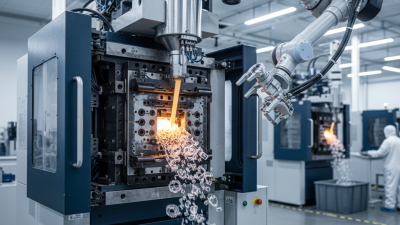
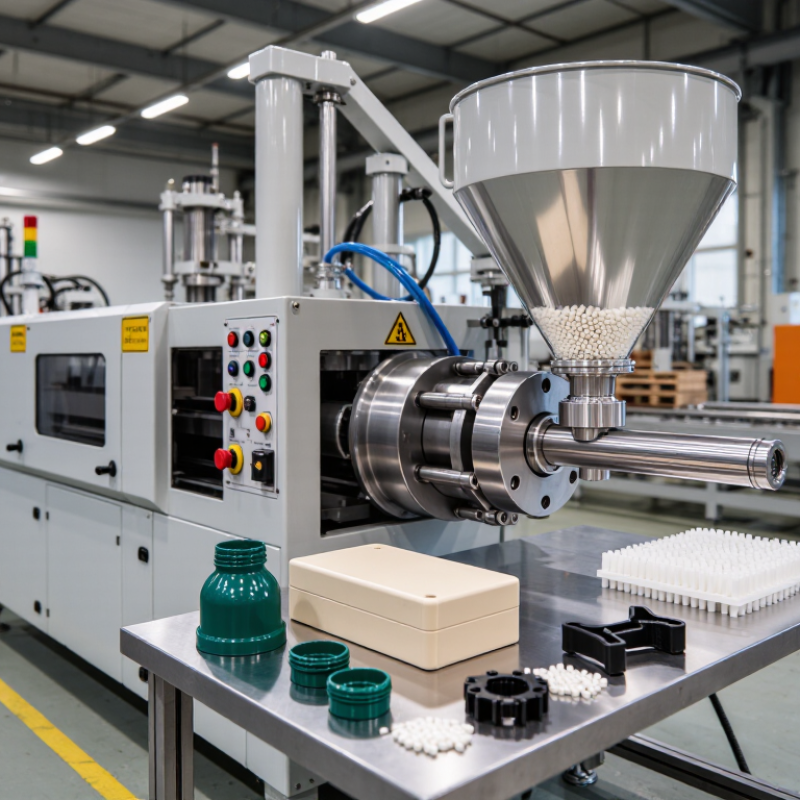
In an injection machine, plastic pellets enter a heated barrel and melt. A rotating screw pushes the melt through a nozzle into a closed mold. The clamping unit holds the mold halves together during filling and cooling. Once the part has set, the mold opens and ejector pins release it. Not every machine follows this exact sequence. Material type, part thickness, and mold design affect operating settings. Operators monitor pressure, temperature, cycle time, and the part’s appearance. A sink mark may point to a cooling or packing issue, but it does not identify the cause by itself.
Tips: Follow the material supplier’s drying guidance, and record settings for each run. Inspect early parts for short fills, flash, or uneven surfaces. A clear machine display helps, but it cannot replace checking the molded part.
Main Components and Their Roles
A plastic molding machine converts solid resin pellets into shaped parts through heat, pressure, and controlled cooling. Its main components work as a coordinated system. The hopper feeds pellets into a heated barrel, where a rotating screw conveys, melts, and mixes the material. The screw then pushes a measured melt through a nozzle and into the mold. Small changes in temperature or shot size can affect the finished part.
The clamping unit holds the mold closed against injection pressure, then opens it for part removal. Inside the mold, cooled channels help the plastic solidify; their layout can influence cycle time and warping. Hydraulic or electric drives power movement, while sensors and controls track settings such as pressure, temperature, and cycle timing.
They are useful, not infallible. A drifting sensor can quietly distort results, so operators should check actual parts, not only screen readings. PlasticsEurope’s Plastics—The Fast Facts 2024 reports 413.8 million tonnes of global plastics production in 2023. That figure covers plastics broadly, not just molded products, but it underscores the value of consistent processing.
The machine is only as steady as its setup.
How the Plastic Molding Process Works
A plastic molding machine turns prepared resin into a shaped part through controlled heat, pressure, and cooling. In injection molding, pellets fall from a hopper into a heated barrel, where a rotating screw melts and mixes them. The screw then pushes the melt through a nozzle into a closed mold. Pressure holds the material in place as it cools; ejector pins release the solid part. Small details matter. Moisture in some resins, a blocked vent, or uneven cooling can cause bubbles, short shots, or warped edges. Not every molding method uses this sequence: blow molding and compression molding shape material differently.
The process is a chain of choices, not just a machine cycle. Operators adjust melt temperature, injection speed, pressure, and cooling time to match the resin and part geometry. A thick rib may cool more slowly than a thin wall, creating stress or sink marks. PlasticsEurope’s Plastics—The Fast Facts 2024 reports 413.8 million tonnes of global plastics production in 2023; that figure covers plastics broadly, not molding alone. The OECD’s Global Plastics Outlook reports 460 million tonnes produced in 2019. These figures show the scale of plastic use, but they do not tell us whether a molded part is well made. A steady cycle time can still hide inconsistent quality. Checking the first parts, then sampling during production, helps catch drift before a whole batch is affected.
Common Types of Plastic Molding Machines
A plastic molding machine shapes polymer by applying heat, pressure, or both. Common types differ in how they move material and form parts. PlasticsEurope reported global plastics production of 413.8 million tonnes in 2023, showing the scale of material processing behind everyday products. Grand View Research estimated the global plastic injection molding machine market at about US$10.6 billion that year. These figures describe production and equipment markets, not the share of each machine type.
Injection molding melts pellets and pushes them into a closed mold. It suits detailed parts, such as bottle caps and appliance housings, and supports repeatable, high-volume production.
Extrusion machines push softened plastic through a shaped opening to make continuous products, including pipes and window profiles.
Blow molding expands a hot tube of plastic inside a mold to create hollow items, such as bottles and tanks.
Compression molding presses material into a heated cavity; it is often used for larger, simpler components.
A useful caveat: these categories overlap in real factories, and the best choice depends on part geometry, material, and production volume. That detail matters. A fast machine can still waste material if the mold design or cooling cycle is poorly matched.
Materials and Applications Across Industries
What Is a Plastic Molding Machine?
Materials and Applications Across Industries
A plastic molding machine shapes polymer material using heat, pressure, and a mold or forming tool. The exact process matters. Injection molding suits detailed parts, while blow molding forms hollow products such as bottles. Different equipment handles different materials and shapes.
Material choice affects strength, flexibility, heat resistance, and processing conditions. Polypropylene is common in packaging and household components. ABS is used for durable housings and interior parts. Polycarbonate can offer impact resistance for protective covers, while nylon suits selected gears and clips. These materials need careful temperature control. Some also require drying before processing. Small errors show up.
Applications range from food containers and vehicle components to electrical enclosures, building fittings, and medical devices. In production, teams check wall thickness, surface finish, cooling time, and dimensional consistency. A thin section may cool quickly but become fragile; a thick one can shrink unevenly. Recycled material can reduce waste, though its flow and color may vary between batches. That variability is easy to underestimate. Selecting a machine and material therefore depends on the part’s function, required tolerances, expected production volume, and testing under real operating conditions.