Posts

2026 Best Clear Acrylic Sheets for Global Buyers?

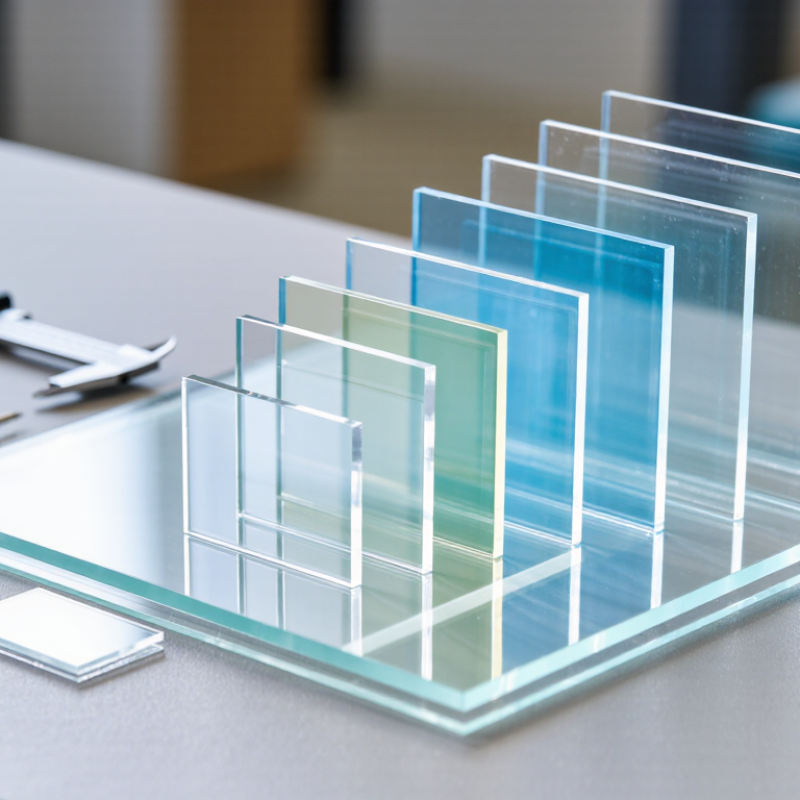
Choosing the right clear acrylic sheets in 2026 requires more than comparing thickness and price. Global buyers must examine light transmission, surface hardness, impact performance, color stability, and fabrication quality. A 3 mm sheet may suit a protected display case, while a 10 mm panel may better support a retail barrier or machine guard. The application decides the specification.

Dr. Robert D. Dean, a polymer materials specialist, has stated, “Acrylic rewards careful specification, not casual selection.” This principle remains practical. A clear panel can look flawless under showroom lighting, yet reveal waviness, edge stress, or protective-film damage during cutting. Experienced buyers should request technical data, sample pieces, batch information, and realistic photographs before placing large orders. Supplier consistency matters.

Small details matter.

This guide examines the 2026 market from a buyer’s perspective. It compares cast and extruded sheets, optical clarity, UV resistance, thickness tolerance, machining behavior, packaging, and international delivery considerations. It also considers certificates and test methods, because a supplier’s confident wording is not the same as independent evidence. Some recommendations may change as resin costs, shipping conditions, and regional standards develop. That uncertainty deserves attention.

A stronger decision balances performance, total cost, and supplier reliability. The cheapest clear acrylic sheets may create more waste through cracking, masking problems, or inaccurate dimensions. The most expensive option may also be unnecessary. Careful questioning usually produces the better result.
2026 Best Clear Acrylic Sheets for Global Buyers?

What Clear Acrylic Sheets Are: PMMA Density Near 1.18 g/cm³ (ISO 7823)

2026 Best Clear Acrylic Sheets for Global Buyers?

Clear acrylic sheet is PMMA, a rigid thermoplastic with glass-like transparency and lower handling weight. ISO 7823-1 describes acrylic sheets by type, thickness, and manufacturing method. Its typical density is near 1.18 g/cm³. ASTM D792 provides a common method for measuring polymer density. This number matters during freight planning. A 2,000 × 1,000 mm sheet, 3 mm thick, weighs roughly 7.1 kg before packaging. Small calculation errors become expensive across containers.

Material selection needs more than appearance. Cast sheets usually offer better thickness consistency and machining performance. Extruded sheets can support efficient production and tighter cost targets. Grand View Research’s 2024 acrylic sheets market assessment identifies construction, signage, and transport as important demand areas. Those applications often require UV stability, impact performance, or controlled optical clarity. Buyers should request test data, not only a “crystal clear” claim. Optical quality can change after cutting. I have seen perfectly clear panels show stress whitening around drilled holes. The estimate was too optimistic.

Tips: Confirm density, thickness tolerance, light transmission, and surface protection in the purchase specification. Ask for ISO 7823 classification and ASTM D792 test conditions. Check the sheet after delivery, especially near corners and protective film edges. A lower price may hide higher trimming waste. Sometimes, the cheaper sheet is not cheaper.
How Cast and Extruded PMMA Differ Under ISO 7823-1 and ISO 7823-2

Global buyers often compare clear acrylic sheets by price alone. That is risky. ISO 7823-1 covers cast PMMA sheets, while ISO 7823-2 covers extruded PMMA sheets. The difference begins during production. Cast sheets are formed between polished molds. They usually offer better thickness stability and optical clarity. Extruded sheets are produced continuously. They support faster output, tighter cost control, and consistent large-volume supply.

Technical data matters more than a glossy sample. Under ISO 7823, buyers should check nominal thickness, dimensional tolerances, appearance, light transmission, and mechanical performance. A 2024 market analysis by Grand View Research valued the global acrylic sheets market at several billion US dollars and forecast continued growth through 2030. That growth increases supplier choices, but it also makes specification control harder. A clear sheet may look perfect while hiding internal stress, edge distortion, or uneven thickness.

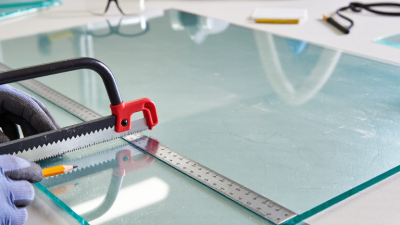
Tips: Request an ISO 7823-1 or ISO 7823-2 compliance statement. Ask for thickness readings from several points, not one corner. For outdoor glazing, test weathering separately. For laser cutting, extruded PMMA may behave differently from cast material. My practical caution is simple: clear does not mean identical. Some buyers also overlook packaging pressure and temperature changes during shipping. Even a well-made sheet can arrive with scratches or warped edges. A checklist helps, but it cannot replace inspection.

How to Verify Up to 92% Light Transmission with ASTM D1003

For global buyers, “up to 92% light transmission” should be treated as a test result, not a promise. ASTM D1003 measures luminous transmittance and haze in transparent plastics. The reported value depends on sheet thickness, surface condition, and instrument settings. A 3 mm clear acrylic sheet may perform differently from a 6 mm sheet.

Ask for an ASTM D1003 report from a competent laboratory. Check the specimen thickness, test date, conditioning details, and equipment calibration status. The report should identify total luminous transmittance, not only a general clarity statement. Testing commonly uses an integrating sphere spectrophotometer, with readings taken after removing protective film and cleaning the surface. Dust matters. Small marks can change the result.

Inspect several specimens from different areas of the sheet. Measure the center and edges when possible. Three readings are more useful than one attractive number. I have seen buyers compare results without checking thickness, which creates a weak conclusion. That mistake is easy to repeat. Ask whether 92% is an average, a maximum, or a single laboratory reading. Also review haze, because high transmission does not always mean sharp visual clarity. A reliable supplier should explain the method clearly, provide traceable documentation, and accept reasonable retesting when results seem inconsistent.

How Thickness, Impact Strength, UV Stability, and Fire Ratings Compare

For global buyers in 2026, the best clear acrylic sheet depends on the application, not one specification. Thickness affects stiffness, weight, edge appearance, and shipping cost. A 3 mm panel may flex noticeably across a wide display frame. A 6 mm panel usually feels more stable. Thicker sheets resist bending, but they do not automatically provide higher impact strength.

Impact performance depends on the acrylic formulation and manufacturing quality. Impact-modified grades can handle knocks better than standard cast sheets. Ask for tested impact values, not vague claims. UV stability also deserves close attention. Outdoor panels should retain clarity after prolonged sunlight exposure. Look for weathering data, surface protection details, and a stated testing period. Indoor acrylic may yellow or become brittle outdoors. That difference matters.

Fire ratings require careful verification. Thickness alone does not create a reliable fire classification. The result can change with the test method, sheet thickness, mounting system, and supporting materials. Request current test reports and confirm the required standard with a qualified local professional. I have seen buyers compare labels without checking test conditions. That approach is risky. Clear acrylic can look identical while performing very differently in heat, sunlight, and impact. A small sample test can reveal edge cracking, optical distortion, and unexpected flexibility before a large international order.

2026 Best Clear Acrylic Sheets for Global Buyers? - How Thickness, Impact Strength, UV Stability, and Fire Ratings Compare

Comparison of common clear acrylic sheet configurations for indoor, outdoor, architectural, display, and protective applications.

Sheet Configuration Common Thicknesses Approx. Weight Typical Light Transmission Impact Strength UV Stability Fire Rating Guidance Best-Fit Applications Key Buying Consideration
Standard Cast Clear Acrylic 3–25 mm
0.118–0.984 in
Approximately 3.5–29.5 kg/m²
Based on a density of about 1.18 g/cm³
About 91–93% for thin clear sheet; generally decreases slightly as thickness increases Typical notched Izod impact values are approximately 16–32 J/m. Increasing thickness improves rigidity and resistance to bending, but does not greatly change the material’s intrinsic impact rating. Excellent natural weatherability and color retention. Suitable for long-term outdoor exposure when the sheet is properly supported. Often classified as UL 94 HB, but the result depends on formulation, thickness, test direction, and certificate. Do not assume a fire classification from thickness alone. Glazing, signs, displays, machine guards, partitions, and general fabrication Good balance of optical clarity, surface hardness, weatherability, and fabrication performance
Standard Extruded Clear Acrylic 1.5–12 mm
0.059–0.472 in
Approximately 1.8–14.2 kg/m² About 90–92% for clear thin sheet Generally comparable to or slightly lower than standard cast acrylic in some grades. It remains brittle compared with polycarbonate and should not be specified as a ballistic or security material. Good to very good UV resistance. Confirm outdoor suitability when the sheet includes recycled content, coatings, or specialty additives. Commonly reported as UL 94 HB for standard formulations, subject to thickness-specific testing and documentation. High-volume glazing, thermoformed parts, light diffusers, point-of-sale fixtures, and basic fabrication Usually offers consistent thickness and efficient production; stress relief is important before machining or forming
Impact-Modified Clear Acrylic 3–12 mm
0.118–0.472 in
Approximately 3.5–14.2 kg/m² Typically about 88–92%, depending on the modifier and surface finish Often approximately 80–160 J/m in notched Izod testing, but values vary significantly by formulation. Higher impact performance does not make the sheet unbreakable. Good when UV stabilizers are included; some impact modifiers can reduce long-term color stability, so accelerated-weathering data should be requested for exterior use. Usually requires separate testing. Many impact-modified grades are not automatically flame-retardant and may remain UL 94 HB. Protective covers, sports and recreational equipment, transport interiors, machine enclosures, and areas exposed to occasional impact Choose a grade with both impact and weathering data if it will be installed outdoors
UV-Stabilized Outdoor Acrylic 3–20 mm
0.118–0.787 in
Approximately 3.5–23.6 kg/m² Usually about 90–93% for clear grades Similar to the underlying cast or extruded acrylic formulation. UV stabilization improves weatherability, not impact resistance. Very good to excellent. Clear PMMA naturally has strong resistance to yellowing and sunlight; UV-stabilized grades are preferred for demanding outdoor service. Fire behavior remains formulation-specific. UV stabilization alone does not provide a fire rating. Outdoor signs, skylight components, greenhouse panels, architectural screens, and long-term exterior displays Request accelerated UV exposure results, color-change limits, and warranty conditions for critical projects
Flame-Retardant Clear Acrylic 3–12 mm
0.118–0.472 in
Approximately 3.5–14.2 kg/m² Commonly about 85–92%, depending on the flame-retardant package Usually similar to or lower than standard acrylic, depending on the formulation. Verify the tested impact value rather than relying on a generic PMMA value. Ranges from good to very good. Certain additives can affect long-term color stability, so outdoor exposure data should be reviewed. Some tested grades may achieve UL 94 V-2 or better at a specified thickness. Other products may only achieve HB. A valid test report is required for project approval. Transportation interiors, lighting components, commercial interiors, electrical covers, and regulated public-space installations Check the exact thickness, color, processing condition, test method, and certificate scope before purchasing
Thick Structural Clear Acrylic 15–50 mm
0.591–1.969 in
Approximately 17.7–59.0 kg/m² Typically about 70–90%, depending on thickness, optical quality, and internal stress Greater thickness provides higher energy absorption and stiffness at the panel level, but acrylic remains notch-sensitive and can crack under severe point impact. Generally excellent for outdoor exposure when manufactured from weatherable acrylic and installed with suitable edge support. Thick acrylic is not automatically fire-rated. Classification must be confirmed for the exact thickness and construction assembly. Viewing windows, aquariums, architectural barriers, museum cases, and specialized transparent structures Design must account for span, wind load, temperature movement, drilled-hole stress, edge quality, and support spacing

Technical note: Values shown are typical engineering ranges for clear polymethyl methacrylate (PMMA) sheet and are intended for preliminary comparison only. Actual performance varies with cast or extruded production, additives, thickness, color, test method, processing, and installation. For regulated applications, request a thickness-specific technical data sheet and fire-test certificate. UL 94 classifications are not equivalent to building-code classifications such as EN 13501-1, ASTM E84, or CAN/ULC-S102.

How Global Buyers Evaluate Tolerances, Certificates, MOQ, and Incoterms

For global buyers, the best clear acrylic sheet is not always the brightest or cheapest. Performance depends on controlled tolerances, reliable documents, and predictable delivery. A 3 mm sheet may need a thickness tolerance of ±0.15 mm, while larger panels may require tighter flatness control. Ask how measurements are taken. Request sample photos, edge details, and a dimensional inspection report.

Certificates should match the product and destination market. Common documents may include a declaration for restricted substances, a material safety data sheet, and test reports for optical or fire performance. Do not accept a generic certificate without checking its product scope, issue date, and testing laboratory. Food-contact or medical applications need extra verification. A certificate alone proves little.

MOQ affects both price and risk. A low MOQ can hide higher cutting fees, packaging charges, or limited color consistency between batches. Confirm whether the MOQ applies per thickness, size, finish, or shipment. Incoterms also change the real landed cost. EXW may leave export handling to the buyer, while FOB includes a different responsibility point. CIF can simplify ocean freight, but destination charges may remain. DDP appears convenient, yet tax and import arrangements must be confirmed carefully. Compare quotes on identical terms, not just unit price. Some buyers, including experienced ones, overlook this detail. That mistake can be expensive.

2026 Best Clear Acrylic Sheets for Global Buyers

Global procurement teams commonly assess clear acrylic sheets through dimensional consistency, documentation, order flexibility, delivery terms, and optical performance. The chart presents an illustrative buyer-evaluation weighting model for international sourcing.

Reference framework: tolerance requirements are typically verified against the agreed product specification; certificates may include material composition, inspection, and compliance documentation; MOQ and Incoterms are negotiated commercial conditions. Actual weighting varies by project, destination, and application.