Posts

2026 How to Order Plexiglass Cut to Size Worldwide

Ordering plexiglass cut to size worldwide sounds simple, but small measurement errors can create expensive problems. A panel that is only two millimeters too wide may not fit a display frame, machine guard, or replacement window. In 2026, buyers can compare suppliers, upload drawings, and request custom acrylic panels from many regions. The difficult part is choosing dependable specifications before placing an order.

Start with accurate measurements, including length, width, thickness, corner radius, holes, and edge requirements. Use millimeters whenever possible. State whether you need clear, frosted, tinted, mirrored, UV-resistant, or impact-modified acrylic. Cast and extruded plexiglass may look similar, yet they can differ in machining behavior, thickness tolerance, and surface quality. Ask the supplier for a technical datasheet and a sample when appearance matters.

Details matter.

Experienced buyers also check cutting accuracy, protective film, packaging strength, production time, and delivery terms. A thin sheet needs firm support inside the carton. Otherwise, vibration and pressure may cause scratches or bending. International orders require careful attention to shipping documentation, taxes, duties, and local import rules. These costs are easy to overlook.

Reliable suppliers should explain tolerances clearly and confirm the final drawing before production. Reviews help, but they are not proof of technical competence. Request photographs, inspection records, or material certificates when the project requires consistency. Even then, perfection should not be assumed. Recheck every dimension before payment. This guide explains how to order plexiglass cut to size with fewer surprises, while recognizing that supplier quality and transport conditions can still vary.
2026 How to Order Plexiglass Cut to Size Worldwide

Define Your Plexiglass Requirements and Exact Dimensions

2026 How to Order Plexiglass Cut to Size Worldwide

Define Your Plexiglass Requirements and Exact Dimensions

A successful plexiglass order begins with a precise project description. State the intended use, such as a display panel, machine guard, shelf, or outdoor cover. Then choose the sheet type, color, surface finish, and thickness. Clear material may suit visibility, while tinted or frosted options can reduce glare and improve privacy.

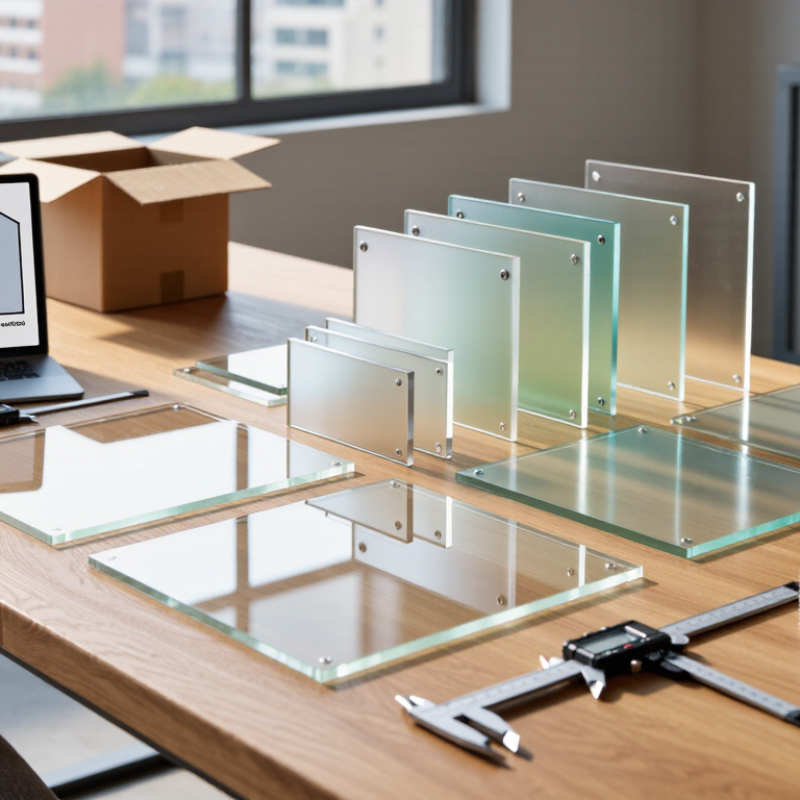
Measure the required length and width with a reliable steel ruler or digital caliper. Record every dimension in millimeters, and label the viewing side. Do not estimate from an old panel. Small errors can create difficult installation problems. Allow space for brackets, fasteners, expansion, and protective edges. A 600 mm opening may need a slightly smaller panel.

Cutting accuracy depends on the supplier’s stated tolerance.

Ask whether dimensions refer to the finished edge or the cutting line. Specify rounded corners, drilled holes, notches, polishing, and edge bevels separately. A simple drawing with marked dimensions can prevent costly misunderstandings. Include the quantity and acceptable variation for each piece.

Packaging and delivery also affect the final result. Provide the complete destination, delivery access details, and preferred protective packaging. Thin sheets can bend during transport, even when carefully packed. I once treated packaging as a minor detail, and the replacement delayed installation. That mistake still influences how I review every international order. Check the drawing twice. Better measurements reduce waste.

Select the Right Sheet Type, Thickness, Color, and Finish

Ordering plexiglass cut to size worldwide starts with the sheet type. Cast acrylic usually offers better optical clarity and engraving results. Extruded acrylic often provides tighter thickness consistency and lower pricing. Grand View Research reported that the global acrylic sheets market was valued at approximately USD 4.5 billion in 2023, reflecting strong demand across construction, retail, and protection applications. Select thickness by function, not appearance. A 3 mm sheet suits signage and light covers. Thicker panels are safer for shelves, guards, and larger spans. Ask for the supplier’s tolerance data. Measure twice.

Color changes performance. Clear acrylic maximizes light transmission, while opal and tinted sheets soften glare and reduce visual exposure. ASTM D1003 haze testing helps compare optical clarity between samples. For outdoor orders, ask whether the color and surface are designed for ultraviolet exposure. The International Energy Agency identifies solar-control glazing as an important route for reducing building cooling demand, but acrylic is not automatically a substitute for certified architectural glazing. That distinction matters.

Finish affects both handling and appearance. Gloss surfaces show fingerprints and fine scratches quickly. Matte or textured finishes hide minor marks better, though they may scatter more light. Choose polished edges for visible displays, flame-polished edges only when the material grade permits it, and routed edges for functional panels. State dimensions in millimeters, include corner radii, and confirm protective-film placement. International freight can expose sheets to heat, moisture, and impact. I would request a small sample first. It costs less than correcting a full shipment.

Compare Global Suppliers, Prices, Shipping, and Cutting Services

Ordering plexiglass cut to size worldwide requires more than comparing a sheet price. Global acrylic sheet demand is growing. Grand View Research estimated the market at approximately USD 4.1 billion in 2023, with construction and signage among major applications. Thickness, grade, color, and cast or extruded production can change quotes sharply. A 3 mm clear sheet may cost roughly USD 25–60 per square meter before cutting and freight, based on recent international supplier quotations. Treat this range as guidance, not a guarantee.

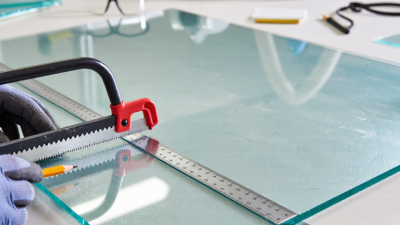
Compare at least three suppliers using the same drawing. Request dimensional tolerance, hole diameter, edge finish, protective film, and packaging details. Laser cutting can produce clean profiles, while saw cutting may suit thicker panels at a lower cost. Ask whether the supplier checks dimensions before dispatch. Small errors become expensive when panels must fit frames.

Shipping deserves equal attention. UNCTAD’s Review of Maritime Transport reports that over 80% of global merchandise trade by volume moves by sea, but ocean freight is slow and port charges vary. For one small order, air shipping may arrive faster but can cost more than the plastic itself. Confirm carton dimensions, crate protection, insurance, customs documentation, and delivery terms. I have seen buyers compare unit prices, then overlook oversized-package fees. That comparison was incomplete. Recheck the final landed cost.

Submit Artwork, Measurements, and Customization Instructions

2026 How to Order Plexiglass Cut to Size Worldwide

Ordering plexiglass cut to size worldwide starts with a clear artwork file and usable measurements. Submit vector artwork when possible, or provide a high-resolution image at the intended scale. Mark every dimension in millimeters, inches, or another stated unit. Never mix units in one drawing. Small details matter. Show the finished width, height, thickness, and quantity. Include a simple sketch if the file does not explain the shape. A technical reviewer can then compare the drawing with your written instructions.

Describe customization in practical terms. Specify transparent, tinted, frosted, or opaque material, plus the required color reference. Identify polished, routed, or rounded edges. For drilled holes, state the diameter, center points, and distance from each edge. Curved corners need a radius, not just “rounded.” Mention engraving, printing, protective film, and the face that must remain visible. If the panel fits a frame, share the opening size and desired clearance. A small clearance may prevent stress, but too much can look careless.

Before approving production, check the artwork against the measurements. I once treated a “final” drawing as complete, then noticed one hole lacked a center dimension. That delay was avoidable. Reviewers should confirm scale, tolerances, edge treatment, and file orientation in writing. Ask how the piece will be protected during international transit, especially at corners and drilled areas. Provide the delivery country, contact details, and handling requirements. Be precise, but allow questions. Even experienced buyers miss a detail sometimes. A careful revision is better than an expensive remake.

Inspect the Delivered Plexiglass and Resolve Order Issues

When a plexiglass sheet arrives from an overseas supplier, inspect it before removing all protective film. Keep the carton, corner guards, labels, and delivery records. Place the sheet on a clean, flat table. Check its length, width, thickness, color, and edge finish against your order details. Use a caliper for thickness when accuracy matters. Measure twice. Small errors can affect frames and drilled holes.

Look closely under bright, angled light. Scratches, cloudy areas, bubbles, cracks, and pressure marks may hide beneath dust. Lift one film corner carefully, then inspect the exposed surface. Do not drag tools across the sheet. Photograph every problem with a ruler beside it. Capture damaged packaging too. I have seen buyers discard the carton too early, weakening their claim. That step is easy to regret.

If the sheet is incorrect or damaged, pause cutting and installation. Contact the supplier promptly with the order number, measurements, photos, and delivery date. Describe the defect precisely, such as “a 12-centimeter crack near the lower edge.” Request a practical remedy, including replacement, partial credit, or return instructions. Confirm who pays return freight before sending anything back. Keep communication in writing. Check the proposed solution against your project’s tolerance, because a replacement that is technically correct may still arrive too late. Be fair, but do not accept vague promises.