What Are the Best Injection Molding Companies in China?
Choosing among the best injection molding companies in China takes more than comparing unit prices. A low quote can hide expensive tooling changes, unclear inspection standards, or long shipping delays. The right partner should explain its process in plain language and support claims with evidence, such as sample inspection reports, material records, and production references.
John Bozzelli, a respected scientific-molding educator, emphasizes process measurement. Put simply, his approach is: “Measure the process before changing the tool.” That principle matters when reviewing a supplier’s capability. Ask how it controls melt temperature, injection pressure, cooling time, and part dimensions. A knowledgeable team should discuss your resin, tolerances, annual volume, and expected product life—not just send a fast estimate.
Details matter. A mold trial should produce parts you can inspect, not merely attractive photographs. Look for documented quality checks, clear communication about tooling ownership, and a realistic plan for revisions. Certifications can help, but a certificate alone does not prove consistent production. Visit the factory when practical, or request a live walkthrough and recent process records.
There is no universally best company. A supplier suited to high-volume automotive parts may not fit a small consumer product launch. And even careful screening has limits; early samples can look perfect, then expose problems during longer production runs. This guide explains how to compare Chinese manufacturers on engineering support, quality control, tooling, communication, and total project cost—before a promising quote becomes an expensive lesson.

How Injection Molding Companies in China Serve Global Industries
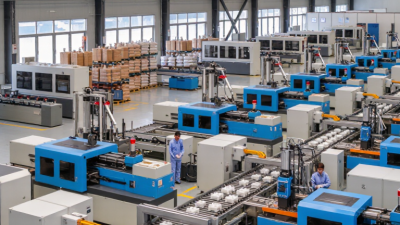
Injection molding companies in China serve global industries by turning product designs into repeatable plastic parts.
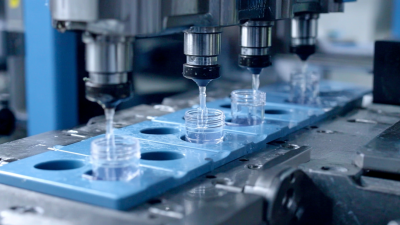
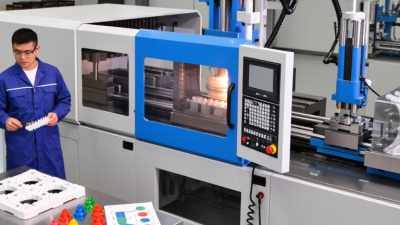
Their work can span mold design, material selection, trial runs, and high-volume production. A medical-device housing, for example, may need controlled dimensions and documented inspections; an appliance component may prioritize impact resistance and surface finish. Engineers often review CAD files, resin specifications, and expected order volumes before recommending a mold layout. Then, sample parts are checked for fit, weight, and visible defects. Small details matter.
These suppliers support customers in automotive, electronics, packaging, consumer goods, and industrial equipment. Teams can coordinate design revisions, production schedules, inspection records, and export packaging across time zones. Reliable communication helps, but it does not replace verification. Buyers can request material data, measurement reports, and sample approval before committing to larger orders. A low unit price may leave out tooling changes, maintenance, or shipment costs. That is easy to miss. Even a capable factory can misunderstand a drawing or underestimate a difficult resin. Clear tolerances and realistic trial schedules reduce that risk, though they cannot remove every surprise.
Criteria for Evaluating China’s Injection Molding Companies
Choosing a Chinese injection molding company starts with matching its process to the part, not its website claims. Ask which resins it runs, what tolerances it can hold, and how it controls drying, temperature, and cycle time. Specific answers matter. Vague promises do not.
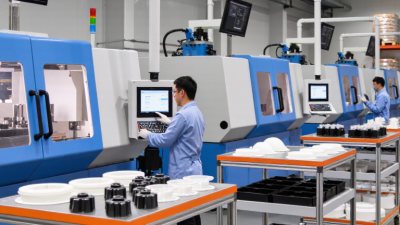
Review recent samples for sink marks, flash, warpage, and consistent gate placement. Request inspection records, material certificates, and a clear explanation of sampling methods. Confirm whether dimensional checks use calibrated tools and whether records can be traced to each production lot. Compare mold design, maintenance plans, and ownership terms, including who pays for repairs after trial runs. Price alone misleads.
Verify capacity against your forecast by asking about machine tonnage, available shifts, backup equipment, and realistic lead times. Discuss engineering support for draft angles, wall thickness, and ejection before steel is cut. Communication is part of quality; note how quickly the team documents changes and flags risks. A factory tour can show orderly storage and labeled work-in-progress, but cannot prove every control works. That limitation deserves attention. Request a small trial order and define acceptance criteria in writing. A checklist can still miss defects that appear only after months of production.
Leading Injection Molding Companies in China
Leading injection molding companies in China are not defined by machine count alone. Strong suppliers combine mold design, process control, and clear communication from quotation through production. Ask how they handle resin selection, shrinkage, gate placement, and cooling; these choices affect appearance and cycle time. A capable team should explain trade-offs plainly, rather than promise every tolerance before reviewing the part. That matters.
Before choosing a supplier, share a 3D model, expected annual volume, material requirements, and critical dimensions. Request a mold-flow review when the geometry or warpage risk warrants one. Compare sample parts against agreed inspection criteria, then confirm who maintains tooling records and schedules mold maintenance. Visit the production floor or request a live process review if possible. Photos can help, but they are not the whole picture. Even a polished checklist may miss daily variation.
Tips: Ask for a first-article report, material traceability records, and written change-control procedures. Check response time with a real technical question. Small trial orders can reveal more than a sales presentation. Keep tolerances realistic; tighter is not always better.
Comparing Company Capabilities, Services, and Specialties
China’s injection molding companies differ in more than machine size. Some specialize in rapid prototypes and short production runs, while others handle high-volume programs with dedicated tooling. That distinction matters. Ask whether mold design, sampling, production, and finishing happen under one roof or through separate partners. The answer can affect lead times and communication. Request details about resin options, press tonnage, cavity count, and typical tolerances. Small details matter. A supplier experienced with thin-wall housings may not be the best fit for a thick, load-bearing part. Compare relevant work samples, not just broad industry lists.
Service quality also shows up before production begins. Look for engineers who review wall thickness, draft angles, gate placement, and likely sink marks. Ask what changes they recommend and why. Clear, specific feedback is more useful than a quick promise that any design will work. Check how samples are inspected, how defects are recorded, and who handles corrective actions. A company’s specialty may be consumer electronics, packaging, or precision components, but confirm that its equipment and quality checks match your part. This comparison is not perfectly tidy; public capability claims can be difficult to verify. Request a recent sample report or a small trial run where practical. Even strong suppliers may have weak points, such as limited finishing options or crowded schedules. That deserves a direct question.
Material Processing Expertise: Typical Melt Temperature Ranges
Material selection is one useful way to compare injection molding capabilities. The ranges below are typical melt-processing temperatures in °C; actual settings vary by resin grade and processing conditions.
Use these ranges as general reference values, not as fixed production settings or a ranking of suppliers.
How to Choose the Right Chinese Injection Molding Partner
Choosing a Chinese injection molding partner starts with the part, not the sales brochure.
Share drawings, resin requirements, annual volume, and critical dimensions. Ask how the factory handles mold design, sampling, and production changes.
Specific answers matter.
“We can make it” is not enough.
Check whether the supplier has relevant experience with your part’s size, geometry, and finish. Request sample inspection records, material traceability details, and a clear explanation of how defects are tracked. During a factory visit or live video walkthrough, look at mold storage, machine condition, and the inspection area. Ask who approves changes and how quickly you will hear about a production issue.
Small details count.
Compare quotes carefully. Confirm what they include: tooling, sampling, packaging, inspection, and shipping terms. A lower unit price may leave important costs outside the quote. If possible, begin with a pilot run and review parts against agreed specifications before scaling up. Keep drawings and revisions organized.
No checklist catches everything.
Even a polished audit has blind spots, and time-zone gaps can slow decisions. Set a regular update schedule, name a technical contact, and agree on how issues will be documented. The right partner should explain trade-offs clearly, not promise perfection.