
What Is Clear Acrylic Used For?
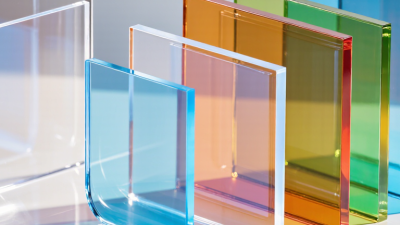
Clear acrylic is easy to recognize: light passes through it, edges catch a soft shine, and objects remain visible behind the sheet. But its uses go beyond a glass-like appearance. It can be cut into display panels, formed into protective guards, or made into signs, shelves, and lighting components. The right choice depends on more than clarity. Thickness, impact needs, exposure to sunlight, and cleaning methods all affect how well a panel performs.
Polymer scientist and author Ian Hamerton offers relevant materials-science context for evaluating polymers and their properties. A practical rule for this guide is: “Choose the sheet for the job, not just for its shine.” That is an editorial rule of thumb, not a quotation attributed to Hamerton. It matters because clear acrylic can scratch, flex, or crack under conditions that a showroom sample does not reveal. Small details count.
This guide looks at where clear acrylic works well, what trade-offs to consider, and how to match a sheet to its setting. A café menu holder needs crisp visibility and easy wiping. A machine guard needs suitable thickness and secure mounting. A window-like panel may need attention to heat, UV exposure, and expansion. Clear acrylic is versatile, but it is not automatically the best fit for every project. Check the application, compare product specifications, and test a sample when appearance or fit is critical. The overlooked detail may be the one that matters most.
Key Properties That Make Clear Acrylic Useful
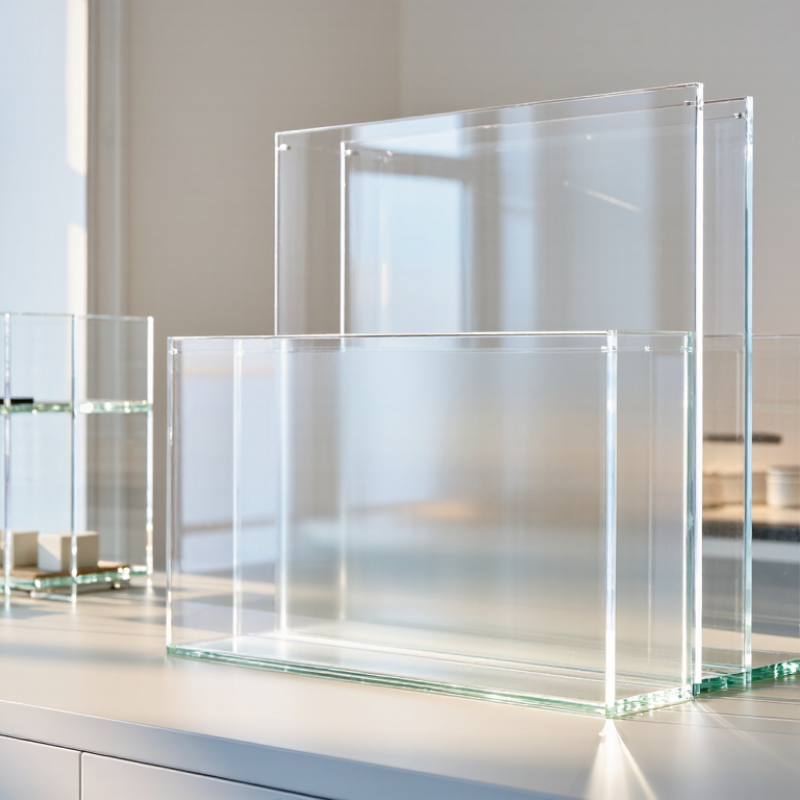
Clear acrylic, or PMMA, is useful because it combines glass-like clarity with low weight and easy shaping. Typical clear sheet transmits about 92% of visible light and has a density near 1.18 g/cm³, according to published engineering property tables for PMMA. That makes it practical for display covers, protective screens, skylights, and light diffusers. A large panel is easier to lift and install than a comparable glass panel. It also resists impact better than ordinary glass, though it can still crack under concentrated force.
Its optical performance is measurable, not just a visual impression: ASTM D1003 specifies methods for testing luminous transmittance and haze, while ISO 7823-1 sets requirements for PMMA sheet. Acrylic can be cut, drilled, and thermoformed into curved guards or clear display stands. Its smooth surface helps keep objects visible without the visual interruption of a thick frame. Still, it scratches more readily than glass. That trade-off is easy to underestimate. It may also expand with heat, so installers need clearance around panels exposed to sunlight. Clear acrylic is not automatically the best choice; surface wear, heat, and cleaning habits matter.
What Is Clear Acrylic Used For? — Key Properties That Make Clear Acrylic Useful
| Application | Why Clear Acrylic Is Used | Relevant Properties | Practical Considerations |
|---|---|---|---|
| Display cases and product stands | Shows objects clearly while providing a lightweight, neat-looking enclosure or support. | High visible-light transmission; can be cut, polished, and formed into many shapes. | Use appropriate cleaning materials to avoid scratches; solvent exposure can cause crazing or cracking. |
| Windows and viewing panels | Provides a transparent panel where lower weight or easier fabrication is useful. | Clear grades can transmit about 92% of visible light; density is approximately 1.18 g/cm³. | Not a direct substitute for every type of glass. Specify thickness and support for the panel size and load. |
| Protective guards and machine covers | Allows equipment or processes to remain visible behind a transparent barrier. | Rigid, lightweight, and readily fabricated into flat panels or formed covers. | Acrylic is less impact-resistant than polycarbonate and may fracture under a strong impact; choose material to suit the hazard. |
| Lighting diffusers and covers | Encloses lighting components and can help spread or soften light when a suitable grade or finish is selected. | Good light transmission; available in clear, translucent, and textured forms. | Check the product’s temperature rating and compatibility with the light source and installation conditions. |
| Signs and information panels | Works as a clear face sheet or as a visible panel over printed graphics. | Weatherable grades are available; sheets can be cut, drilled, and shaped for sign fabrication. | Allow for thermal movement in outdoor installations and use suitable fasteners to reduce stress around holes. |
| Furniture and interior design | Creates transparent shelves, table components, dividers, and decorative elements without a visually heavy appearance. | Low weight compared with glass of similar size; can be thermoformed and polished. | Surface scratches may be more visible than on some materials. Avoid abrasive cleaners and rough handling. |
| Aquariums and display tanks | Can be fabricated into transparent tanks and curved viewing panels, especially for custom designs. | Formable and bondable with suitable acrylic fabrication methods. | Tank design must account for water pressure, panel thickness, joint quality, and long-term support. |
| Skylights and architectural glazing | Offers a lightweight glazing option for some roof lights, canopies, and architectural features. | High clarity and good outdoor weatherability in suitable grades. | Consider UV exposure, thermal expansion, wind or snow loads, fire requirements, and local building codes. |
Note: Clear acrylic is commonly made from polymethyl methacrylate (PMMA). Actual optical, mechanical, weathering, and temperature performance varies by grade, thickness, fabrication, and installation.
Related Posts
-
Exploring the Versatility of Clear Plastic Sheets: 10 Innovative Applications Backed by Industry Insights
-
Top Uses of Plexiglass Sheets in Everyday Life?
-
Top 10 Plastic Sheet Cut to Size Options for Global Buyers?
-

Best Plastic Panels for Global Buyers in 2026?
-
What Are Acrylic Sheets and What Are They Used For?
-
How to Cut Cast Acrylic Sheets Safely?