Posts

2026 Top Plastic Molding Manufacturers for Global Buyers

Choosing a plastic molding partner in 2026 means evaluating more than quoted part prices. Buyers also need dependable tooling, stable production, measurable quality controls, and clear communication across borders. The details matter. A polished sample can hide weak process control. Not always.

The market’s scale makes careful supplier screening essential. Grand View Research estimated the global injection-molded plastics market at USD 330.63 billion in 2023 and projected a 4.8% compound annual growth rate from 2024 through 2030. Plastics Europe reported that worldwide plastics production reached 413.8 million tonnes in 2023. These figures describe a broad industry, not a guarantee that every supplier can meet a buyer’s needs.

This guide introduces manufacturers serving global buyers and explains how to compare their capabilities. It considers process range, mold design, material options, production capacity, quality systems, and export experience. For example, a supplier’s ability to hold a tight tolerance on a small connector may matter more than its factory size. Buyers should also ask how quotations account for tooling changes and production ramp-up. Those costs are easy to overlook.

No directory can replace direct qualification. Factory audits, sample inspections, and documented discussions remain important. Some available data is imperfect, too, because market reports may define product categories differently. The manufacturers featured here should therefore be treated as starting points for due diligence, not automatic recommendations.
2026 Top Plastic Molding Manufacturers for Global Buyers

How Plastic Molding Manufacturers Serve Global Industries in 2026

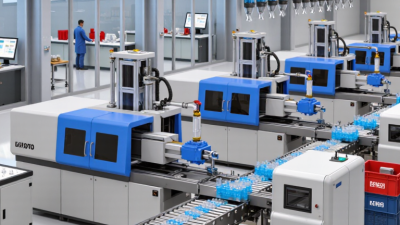
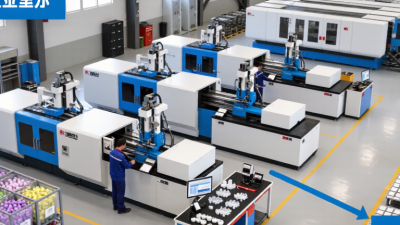
In 2026, plastic molding manufacturers serve automotive, medical, electronics, packaging, and appliance industries with parts designed for specific production needs. They help buyers select resins, refine mold geometry, and plan repeatable production. A medical enclosure may need tight dimensions, while an appliance panel may require a textured finish and consistent color. Details matter. The OECD’s Global Plastics Outlook (2022) reports that global plastic use quadrupled over the previous three decades and could nearly triple by 2060 under current policies. This outlook does not predict molding demand directly, but it highlights why manufacturers face pressure to use material more efficiently and reduce scrap.

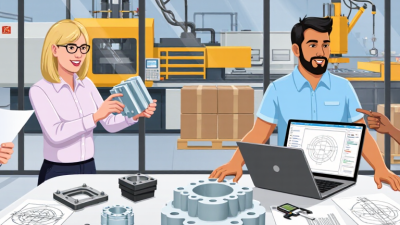
For global buyers, service goes beyond shipping finished parts. Reliable suppliers provide clear design feedback, sample parts, inspection records, and communication across time zones. Ask how they control resin batches, measure critical dimensions, and handle design changes. A low quote can exclude tooling upkeep or inspection work. That can become costly later. Not every production plan is perfect; early samples may reveal issues that drawings missed, so allow time for revisions.

Tips: Share expected volumes, material requirements, tolerances, and destination markets before requesting a quote. Ask for a sample and a written inspection plan. Compare total production costs, not just the unit price.

Global Plastics Production by Region

Regional shares of global plastics production in 2022. Production geography provides context for global sourcing and manufacturing capacity; it is not a ranking of molding manufacturers.

Source: Plastics Europe, Plastics – the Fast Facts 2023. Figures are rounded shares of global production.

Key Molding Processes and Capabilities Offered by Leading Manufacturers

Leading plastic molding manufacturers offer more than machine capacity. They match a process to part geometry, material, volume, and finish. Injection molding works well for repeatable, detailed parts, such as housings with ribs or snap-fit features. Blow molding forms hollow products, while compression molding can suit thicker parts and selected thermoset materials. Thermoforming offers another route for larger, relatively shallow components. Each process has trade-offs.

Tips: Share drawings, resin requirements, annual volume, and critical dimensions before requesting a quote. Ask for sample parts and inspection records. Ask for evidence.

Useful capabilities include mold-flow review, tool design, rapid sampling, and in-process checks. For example, a supplier may measure wall thickness, inspect gate marks, and track cycle consistency. Clarify who owns the tooling and how changes are documented. These details matter when production crosses borders or moves between facilities. A capability sheet can look complete yet miss practical limits, such as minimum order quantities or available color control. No process is perfect; a short production trial can reveal issues that a specification alone may not show.

2026 Top Plastic Molding Manufacturers for Global Buyers - Key Molding Processes and Capabilities Offered by Leading Manufacturers

Process comparison for supplier evaluation. The capabilities below describe common industry practices, not a ranking or a guarantee of any individual manufacturer’s capacity. Confirm materials, tooling, tolerances, certifications, and production limits directly with each supplier.

Molding process Common materials Typical part types Production fit and strengths Key considerations for buyers
Injection molding Common thermoplastics such as PP, PE, ABS, PC, PA, and POM; specialized equipment and tooling can process some thermosets. Detailed, repeatable three-dimensional parts, including housings, closures, connectors, and components with ribs or bosses. Well suited to repeat production and complex geometries. Insert molding and overmolding may be available with suitable tooling and process controls. Tooling can require significant upfront investment. Review draft, wall thickness, gate location, shrinkage, tolerances, and expected annual volume.
Extrusion Thermoplastics including PE, PP, PVC, and selected engineering polymers, depending on equipment and application requirements. Continuous products with a consistent cross-section, such as pipe, tubing, profiles, sheet, and film. Effective for continuous production; products can often be cut, wound, or further processed after extrusion. The process is designed for constant cross-sections rather than complex, discrete three-dimensional shapes. Specify dimensions, wall thickness, and downstream finishing needs.
Blow molding Commonly used thermoplastics include HDPE, PP, and PET; the suitable resin and process depend on the product and performance requirements. Hollow products such as bottles, containers, tanks, and ducts. PET containers are commonly made using stretch blow molding. Forms hollow parts by expanding heated plastic against a mold surface; suitable for many container and hollow-part applications. Discuss neck or opening geometry, wall-thickness distribution, pinch-off areas, leak testing, and whether extrusion, injection, or stretch blow molding is appropriate.
Thermoforming Thermoplastic sheet, including materials such as HIPS, PET, PVC, ABS, and polycarbonate, subject to grade and application requirements. Trays, packaging, covers, liners, panels, and other parts formed from heated sheet. Can suit shallow or large-area parts. For some designs, tooling is simpler than injection-molding tooling; finished parts may need trimming. Check draw depth, corner thinning, surface finish, trim allowances, and sheet availability. Reuse of trim scrap depends on material, cleanliness, and process controls.
Compression molding Thermosetting molding compounds and selected fiber-reinforced materials; exact options depend on the compound and press setup. Electrical components, covers, panels, and other parts suited to compression forming and, where applicable, heat curing. Material is placed in a heated mold and compressed to fill the cavity; useful for certain thermoset and reinforced-part designs. Confirm cure time, flash control, material handling, fiber orientation where relevant, and the finishing or trimming operations required.
Rotational molding Usually powdered thermoplastics, especially polyethylene grades selected for rotational molding. Large hollow parts such as tanks, bins, playground components, and equipment housings. A mold rotates while heated so material coats its interior. The process can produce hollow parts with relatively uniform walls and no molded seam from two joined shells. Cycle times are generally longer than injection molding, making production-rate comparisons important. Review wall thickness, inserts, openings, and dimensional tolerances.

Supplier due diligence: Request material data sheets, sample parts, process-validation records, inspection plans, tooling ownership terms, production lead times, and applicable quality or regulatory documentation. Certifications and compliance claims should be verified for the specific facility, product, and destination market.

How to Evaluate Quality, Compliance, and Production Capacity

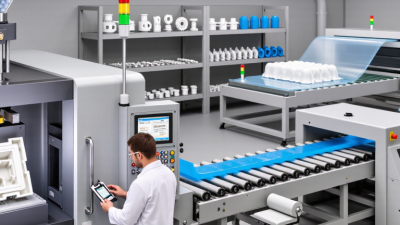
For global buyers, a supplier’s quality system matters only when records match the parts arriving at your dock. Check the scope and validity of its ISO 9001 certificate, then trace a finished part back to its resin lot, machine, and inspection results. Ask for dimensional reports against your drawings, not generic claims of precision. For critical dimensions, review process-capability data and the sampling plan. Paperwork can look complete. It is not proof.

Compliance needs the same scrutiny. Request current material declarations and confirm that testing covers your product and destination market. The OECD’s 2022 Global Plastics Outlook reports that plastic waste reached 353 million tonnes in 2019, with only 9% recycled; this makes clear material records increasingly important. Capacity deserves a shop-floor check. PlasticsEurope’s 2024 Plastics—The Fast Facts report estimates global plastics production at 413.8 million tonnes in 2023, but that figure says little about one factory’s available press time. Verify machine tonnage, mold availability, cycle time, staffing, maintenance downtime, and resin supply. A trial run at the quoted rate is useful. Ask how scrap and delivery performance are measured. One caveat: utilization figures can hide a bottleneck. Request a recent production schedule, then compare promised output with actual shipments.

Leading Plastic Molding Manufacturers for Global Buyers in 2026

Leading Plastic Molding Manufacturers for Global Buyers in 2026

Choosing a molding partner means looking beyond machine size and quoted price. The OECD’s Global Plastics Outlook reports that worldwide plastic production reached 460 million tonnes in 2019, almost twice its 2000 level. That scale makes repeatable production and documented material control essential. Ask how suppliers verify resin batches, monitor cycle times, and inspect parts against agreed drawings. A clear answer matters.

Strong manufacturers can explain how they manage tooling, sampling, and changes after approval. Request evidence from a comparable project: dimensional inspection records, process validation, and a realistic delivery plan. ISO 20457 provides guidance on tolerances for molded plastic parts, but each drawing still needs practical review. A tight tolerance can raise cost or scrap risk. And a polished capability sheet does not prove consistent output. No shortlist is perfect; sometimes the best fit is less obvious.

Tips: Send a 3D file, material specification, expected annual volume, and critical dimensions when requesting a quote. Ask who owns the mold, how maintenance is recorded, and what happens when a sample fails. Compare total landed cost, not just unit price.

How to Compare Suppliers for Cost, Logistics, and Long-Term Support

A quoted part price rarely tells the whole story. Ask suppliers to separate tooling, resin, machine time, inspection, and packaging costs. A lower mold price may lead to more adjustments or slower cycle times later. Request the assumptions behind each quote, including annual volume and acceptable tolerances. Not always. Compare the same resin grade, part weight, and inspection level before judging offers. For a trial order, check sample timing and how defects will be recorded. Small details matter.

Logistics can erase a price advantage. Compare shipping options, packing methods, dispatch points, and realistic lead times, not just the fastest estimate. Ask how the supplier protects molded parts from scratches or heat during transit. Confirm who updates you if a shipment slips. Long-term support deserves equal scrutiny. Ask about spare inserts, mold maintenance records, engineering changes, and response times for production issues. A useful answer should include a clear process, not just reassurance. I would not choose on price alone, though cost still has to fit the project. That balance is harder than it sounds. Request a small production run or documented process review when possible, then judge whether communication stays consistent after the first order.